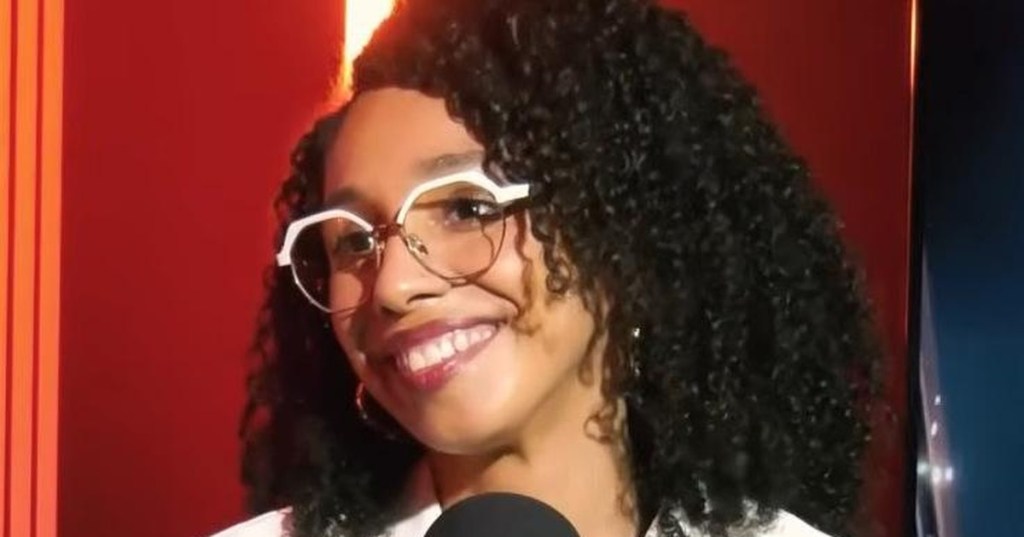
Universities are used to having alumni in Congress. They are less used to having one represent the campus itself, and they have almost no experience of the alumna in question having helped organize protests on that campus. That is the position Columbia University is in on Election Day.
Darializa Avila Chevalier, Columbia College Class of 2016, is the Democratic and Working Families Party nominee in New York’s 13th Congressional District. The district takes in Morningside Heights, where Columbia’s campus sits, along with Harlem, Washington Heights, Inwood and part of the northwest Bronx. On Tuesday, November 3, she faces Republican Jomo M. Williams, according to the Board of Elections’ general-election contest list. In 2024 the Democratic incumbent, Adriano Espaillat, won the seat with 83.5 percent of the vote, so the general election is not where the suspense lies.
The suspense was in June. Avila Chevalier beat Espaillat by 36,292 votes to 33,555, or 49.5 percent to 45.7 percent, according to the certified recap from the city Board of Elections. Two minor candidates split the remaining few thousand votes. The details of that upset have been reported elsewhere. What has had less attention is what her arrival means for her alma mater.
The activist Ivy, by choice
Avila Chevalier, 32, has said she applied to Columbia because of its reputation as the “activist Ivy,” CNN reported in August. She majored in Middle Eastern studies and joined the Black Student Organization. An internship in the West Bank led to her conversion to Islam, and she was active in Students for Justice in Palestine. She also drew illustrations for the Spectator. Her Wikipedia biography credits her with co-founding Columbia University Apartheid Divest in 2016.
She did not leave the cause at graduation. According to CNN, she returned to campus as an alumna in 2024 to support the student encampment, alongside Mahmoud Khalil. She is now a doctoral student in sociology at the City University of New York and a member of the New York City chapter of the Democratic Socialists of America. Mayor Zohran Mamdani endorsed her on May 25.
The university she would represent
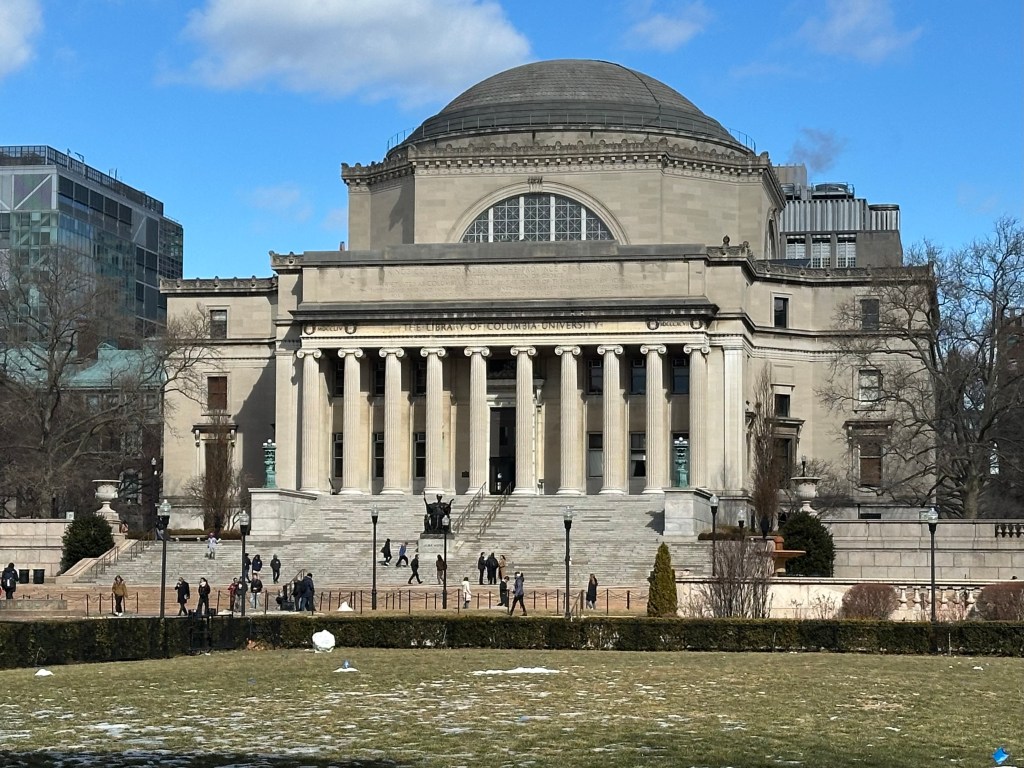
The Columbia she would represent is not the one she left. In July 2025 the university reached a resolution agreement with the Trump administration, agreeing to pay $200 million to the federal government and more than $20 million to resolve claims brought through the Equal Employment Opportunity Commission. In return, most of its suspended federal research grants were restored. On July 1 this year, Jennifer Mnookin took office as Columbia’s 21st president, arriving from the University of Wisconsin–Madison, where she was chancellor.
The university’s federal relationship runs through the very committees, appropriations bills and agencies its next congresswoman will vote on: research funding, civil-rights enforcement, student visas. Columbia has spent two years learning to deal with Washington quietly. Its home-district member has built a career doing the opposite.
The case against her, in its strongest form
Avila Chevalier’s critics do not lack material, and it would be a disservice to readers to soften it. Republicans have made her a national symbol. The Washington Post reported after the primary that GOP strategists were using her record to paint her as emblematic of where the Democratic Party is going. CNN reported on social-media posts from 2018 to 2022 that she has since deleted, and on her attendance at a rally held on October 8, 2023, the day after Hamas’s attack on Israel. For many Jewish students and alumni, the 2024 encampment she supported was a crisis, not a cause. The critics’ strongest argument is that a member of Congress from Morningside Heights should be able to speak to the whole campus.
Some of the scepticism comes from her own party, and is about governing more than ideology. House Minority Leader Hakeem Jeffries has rejected the DSA agenda and favours reforming Immigration and Customs Enforcement rather than abolishing it, as she proposes. After the primary, a spokesperson for Espaillat said, “Soon, campaigning and slogans have to give way to governing and leading.” The Democratic strategist Antjuan Seawright told CNN, “It’s one thing to be noisy.” The point is a fair one.
The case for her, in its strongest form
Her supporters answer that she won an open contest against a well-funded incumbent, in the district where she went to college. Federal Election Commission filings showed Espaillat raising about $2.89 million to her $1.60 million. She was outspent and won anyway.
She campaigns on housing, “babies not bombs” and the abolition of ICE, and has said she would co-sponsor 13 bills on her first day, including the Block the Bombs Act, the Green New Deal and Medicare for All. She also insists she means to govern. “I am very concerned with delivering,” she told CNN, adding that she is “willing to talk to anybody.” Organizing, she said, “is deeply unsexy work.”
What Columbia should expect
Most universities treat their home-district member as a ribbon-cutter and an ally on appropriations. Columbia’s will be an alumna who knows its governance, its trustees and its disputes from the inside, and who has argued with all three in public. That could cut both ways. A congresswoman who distrusts the administration will also have every reason to fight for the federal research money on which thousands of jobs in her district depend. The interesting question is not whether she and Low Library will disagree. They will. It is whether either side finds the disagreement useful.
Columbia’s own institutional habit has been to say little and settle much. Its next representative’s habit is the reverse. Morningside Heights is about to learn which approach travels better in Washington.
Featured image: Darializa Avila Chevalier, the Democratic nominee in New York’s 13th Congressional District, during an interview on Secretos CEO in July 2026. Photo by A LO CLARO and Indhira Baez via Wikimedia Commons, CC BY 4.0.



Leave a Reply