The Vanderbilts gave houses the way other families give toasters. In 1891 one of them gave a five-story Beaux-Arts mansion at 35 West 57th Street to a newly married granddaughter, Maria Louisa Vanderbilt Shepard, and her husband, William Jay Schieffelin. Last month a family of a newer fortune sold it to a developer for $42 million, and the city has already approved its demolition.
The Soloviev Group filed a deed transferring the Schieffelin-Bowne House to the developer Sedesco, Commercial Observer reported on Nov. 3. The deal closed Oct. 29, according to city property records cited by the New York Post. A source familiar with the project told the Post that the house was essentially the last piece Sedesco needed for its site, and that updated plans are expected in the coming months.
A wedding present, twice described
The house’s origin is told two ways. Commercial Observer says William H. Vanderbilt gave the mansion to his granddaughter. The Post, citing historian Tom Miller of the blog Daytonian in Manhattan, says it was a wedding gift “reportedly commissioned” by her mother, Margaret Vanderbilt Shepard. Either way it was Vanderbilt money, which in 1891 was the only kind on 57th Street that mattered. Commercial Observer adds that the couple’s other wedding gifts included some from President Benjamin Harrison.
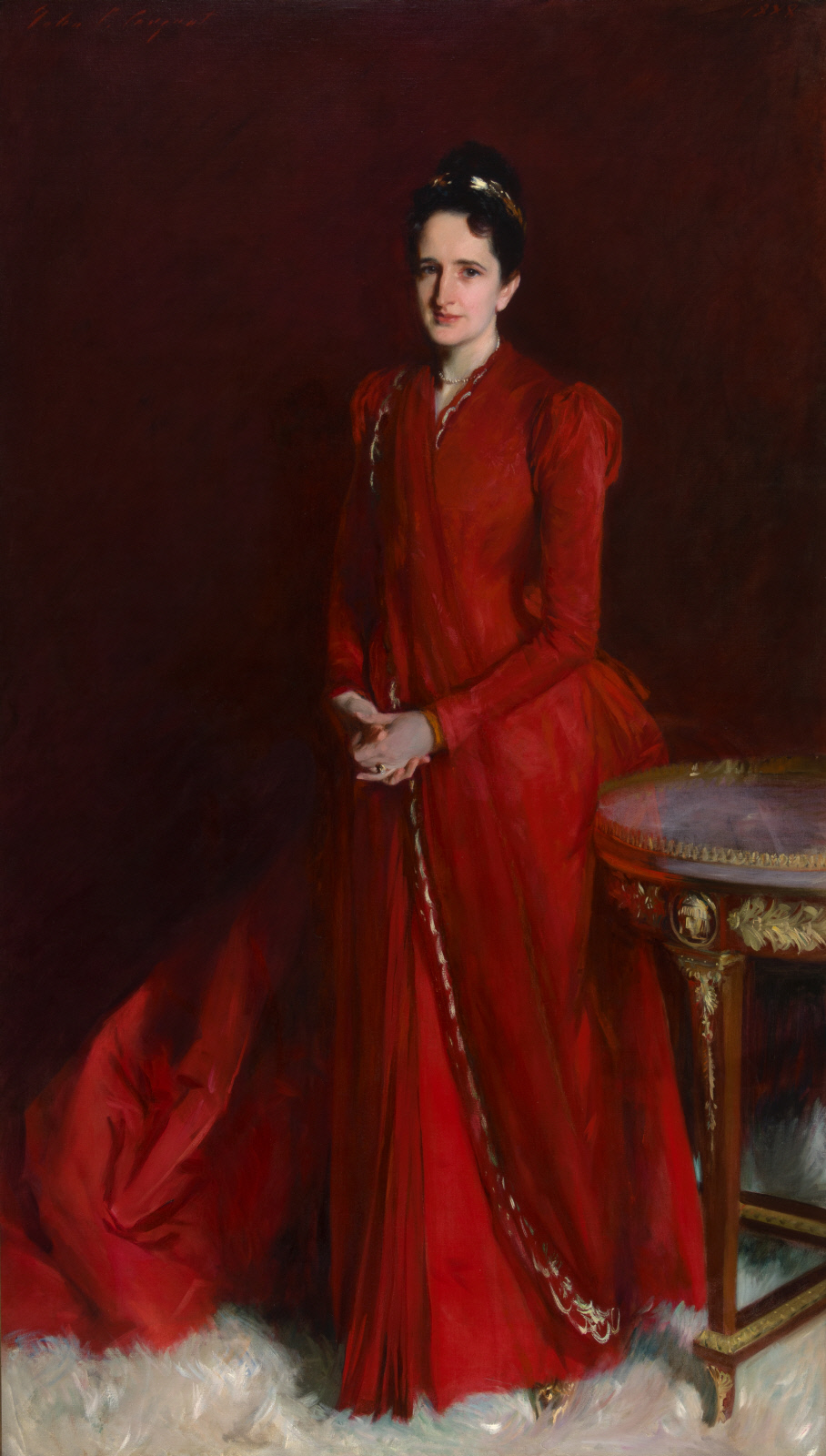
The Schieffelins lived there until 1899. Then it passed to Samuel W. Bowne, a pharmaceutical businessman and philanthropist from the Flushing Bownes, whose forebears were among the first settlers of Queens in the 17th century. Bowne died in the house in 1910. His widow, Nettie, kept it until 1930, the year she died.
By then the street had turned. The great families had moved north to Fifth Avenue and beyond, and the mansions of Millionaires’ Row gave way to department stores and offices. The first two floors of No. 35 became shops. That conversion, Commercial Observer suggests, may be why the Landmarks Preservation Commission never saw enough of the original to save. The paper noted the Hotel Pennsylvania precedent: a building altered enough can be lost.
The new dynasties of 57th Street
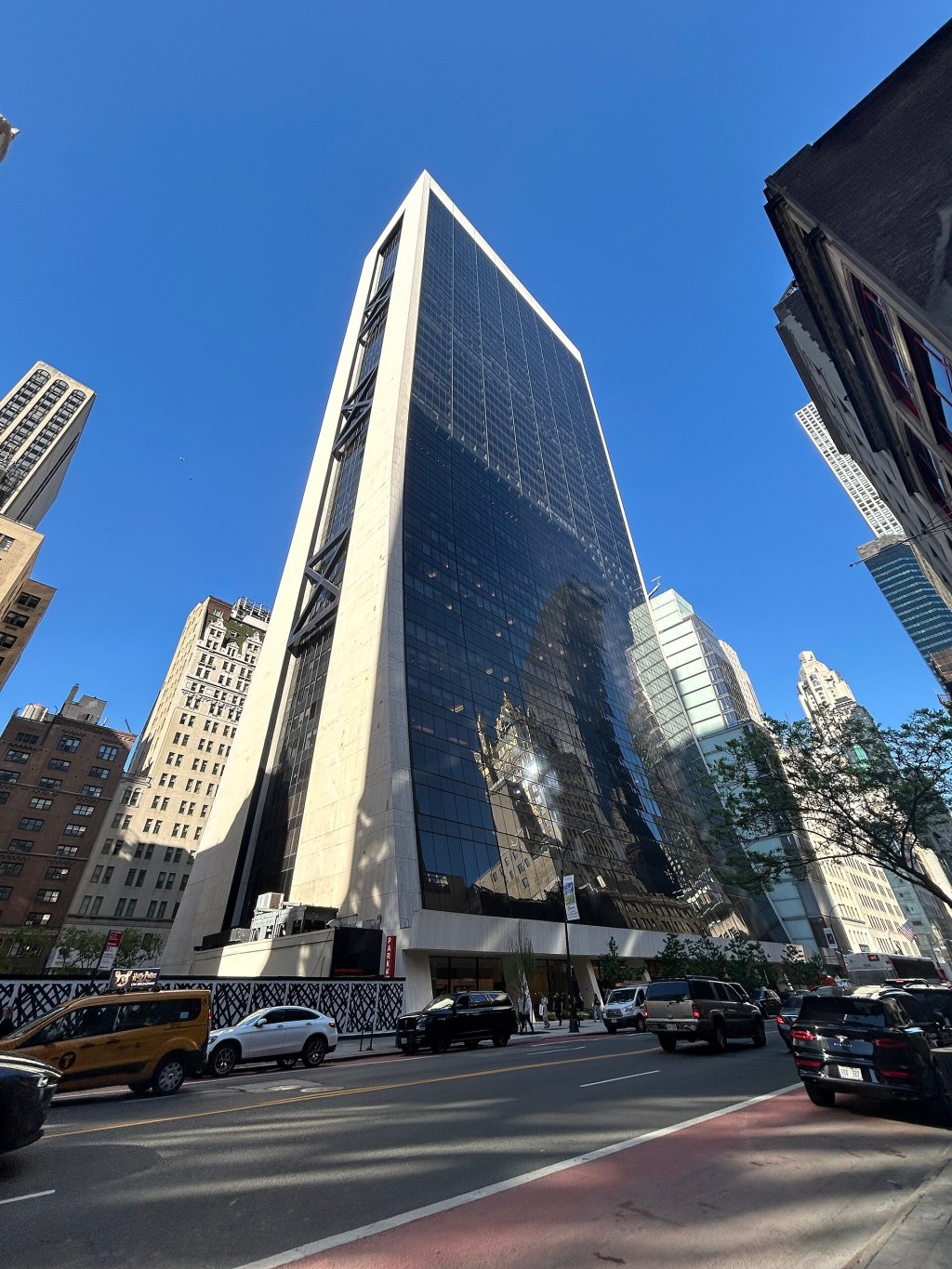
The sellers are themselves a dynasty of the street. The Soloviev Group is the company of Stefan Soloviev, son of the late Sheldon Solow, who built the Solow Building at 9 West 57th Street. That tower stands a few doors east, its sloping travertine-white flanks facing Central Park. In April, Commercial Observer reported, Soloviev signed an undisclosed office tenant there at a record $327.50 a square foot. Commercial Observer’s photo credits identify Michael Hershman as Soloviev Group’s chief executive.
The buyer has been at it longer than most people noticed. Sedesco paid $71.5 million for 50 West 58th Street in 2012, $80 million for 41 West 57th in 2018, $77.5 million for 37 West 57th in 2023 and $18.5 million for 49 West 57th in 2025, the Post tallied. With the mansion, that is nearly $290 million. Earlier plans for 37–47 West 57th, reported by New York YIMBY, called for a roughly 1,100-foot, 63-story tower with 119 condominiums, a 158-room hotel and a restaurant of more than 10,000 square feet. Those plans may change.
Sedesco also bought itself some height in a way the Vanderbilts never had to. In June it struck a deal with the Metropolitan Transportation Authority to pay for elevators and other accessibility work at the nearby 57th Street station, earning extra floor area under the city’s Zoning for Accessibility program, Commercial Observer reported.
“The recent acquisition of 35 West 57th Street, marking an important step forward in our plan to deliver a world-class project to the neighborhood that adds to the surrounding community,” Derek Gilchrist, Sedesco’s general counsel, said in a statement to Commercial Observer. “Sedesco is already a major investor in New York and its future, and we are proud to be the first developer to partner with the MTA on its Zoning for Accessibility program as part of our Midtown investment, helping deliver critical transit improvements for all New Yorkers.”
Both outlets stress that Sedesco is developing on its own, with no joint venture with Soloviev.
The facade question
The preservationists of the Save57 campaign call the house the last surviving Gilded Age mansion on West 57th Street, and they have asked the developer to keep its facade in the new project, the Post reported. The Department of Buildings has approved demolition, though no timeline has been set.
There is a fair case on the developer’s side. The house is not a landmark. It has had shops in its lower floors for decades. A developer who paid for subway elevators and assembled a site over 14 years is doing what the zoning invites. New York has always rebuilt its richest streets, and it will be richer for a tower that brings hotel rooms, homes and tax revenue.
There is a fair case for the facade, too. Billionaires’ Row is a street of superlatives, and a single limestone front from 1891 would cost little and give a supertall something its neighbors cannot buy: a past. The Vanderbilts would have understood the gesture. They built their houses to be seen. The question now is whether the next family on the block wants to be seen keeping one.
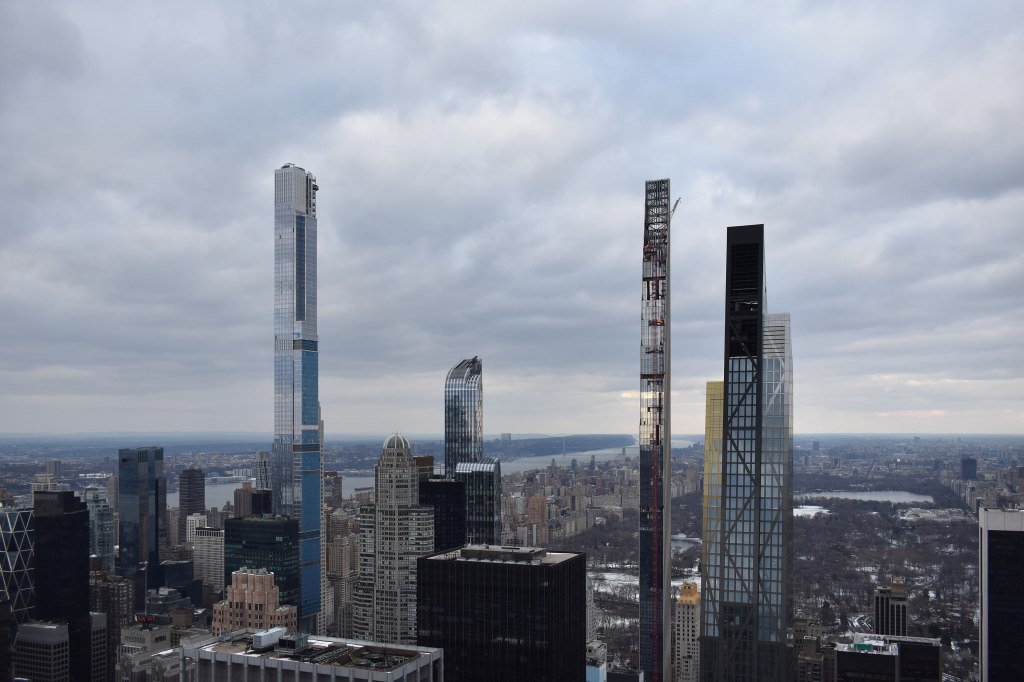
Featured image: Billionaires’ Row, the string of supertall towers along 57th Street, seen from the south. Photo by Itrytohelp32 via Wikimedia Commons, CC BY-SA 4.0.




Leave a Reply