For most of a year the Mamdani administration has treated immigration subpoenas the way a good doorman treats an unannounced visitor: politely, firmly, and without opening the door. On Friday, Nov. 6, a federal judge in Manhattan told the doorman to step aside.
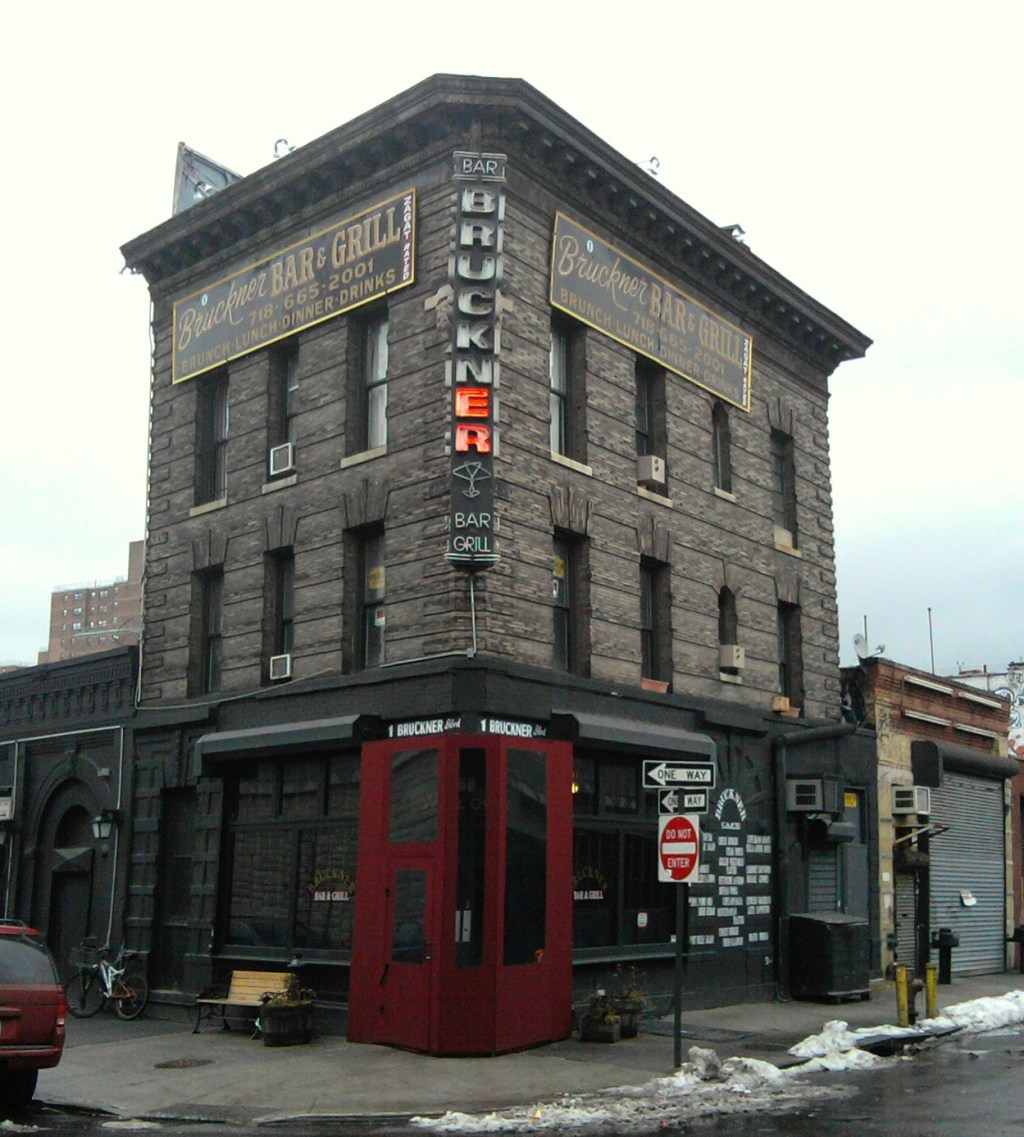
In a ruling first reported by Politico, U.S. District Judge Lewis A. Kaplan ordered the city to comply with a subpoena from U.S. Immigration and Customs Enforcement. The subpoena seeks the names and birth dates of certain male residents of the city-run shelter on Bruckner Boulevard in Mott Haven, along with other records that would help agents identify them. “The City has not shown that producing this list would be unduly burdensome,” Kaplan wrote, according to Gothamist. “Under the applicable case law, the Court therefore has no choice but to compel the subpoena’s enforcement.”
The order is narrower than ICE’s opening bid. The agency first wanted every resident’s name. Under the ruling, a special master will sort the list so that only residents with “serious criminal histories” are identified, Gothamist and the New York Post reported. The Post said ICE had agreed to that limit. None of the residents has been charged with anything in this case. ICE says it needs the information for an investigation into whether some of them are subject to deportation.
The building and the fight
The Bruckner shelter is a converted South Bronx warehouse. Gothamist says it sleeps more than 2,000 people; the Post puts it at 2,200 beds. It is the city’s last emergency migrant facility, and it took in many of the asylum-seeking men moved out of the Randall’s Island tent complex. Mayor Zohran Mamdani said in February that he would phase it out by the end of this year and fold its residents into the regular shelter system.
The subpoena is the latest of four. Beginning in August 2025, ICE asked for personal information about residents of city shelters, and the city fought each request. In one filing the city called an earlier subpoena “an improper fishing expedition lacking any legitimate investigative purpose,” the Post reported, quoting the city’s papers. Gothamist described the earlier efforts as failed attempts. The Nov. 6 order is the first to go the government’s way.
City Hall has said little in public. A spokesperson, Ivonne Rodriguez, told Politico the administration was “evaluating next steps.”
The case for compliance
The federal government’s argument deserves to be stated at full strength, because it is the one that just won. An administrative subpoena is not a raid. It is a request for records, and courts have long enforced such requests when they are lawful, relevant to an investigation and not unduly burdensome. Kaplan’s language suggests he saw little room to rule otherwise. The special master is there precisely to keep the list from becoming a census of the shelter. On this view, the order is a modest, supervised step aimed at people with serious criminal records, a group the city’s own detainer law already treats differently from everyone else.
Supporters of the Trump administration, and plenty of New Yorkers who are not, would add a practical point. The city cannot both promise to close Bruckner by New Year’s and claim it is too hard to say who is living there. A shelter of 2,000 men is a public institution, paid for by the public, and the public has an interest in knowing whether people with serious criminal histories are among them.
The case for an appeal
Immigrant advocates read the same order and see a door opening. Murad Awawdeh, president and chief executive of the New York Immigration Coalition, told Gothamist that ICE has been trying “to continuously launch these horrible campaigns of mass deportation against our community members.” He wants the city to appeal. “We believe that the city must appeal and that City Hall and Albany must act also on the simple principle of making sure they are also protecting everyone that’s in their care,” he said.
Awawdeh’s legal argument rests on the city’s sanctuary laws, which limit cooperation with civil immigration enforcement. “Providing data on civil immigration enforcement…that’s illegal as per our local law,” he told Gothamist. The trouble with that argument in federal court is the one Kaplan’s order implies. A local law can bind city agencies, but it does not easily outrank a federal subpoena that a federal judge has decided to enforce.
There is also a quieter worry, and it is not only an activist’s. Shelters depend on people showing up and telling the truth about who they are. If residents come to believe that a bed in a city shelter puts their name on a federal list, some will sleep elsewhere. That is a public-safety problem in its own right, and it lands on the same streets the subpoena is meant to protect.

What happens next
The parties have about two weeks to work out how the special master will handle the list, according to the reporting on the order. The city can comply, appeal to the Second Circuit, or ask Kaplan to hold his order while it appeals. Each choice has a cost. Compliance hands the administration’s left flank a grievance at the moment the mayor is courting it nationally. An appeal hands his critics a picture of City Hall going to court to keep the names of men with serious criminal histories from federal agents.
Mamdani has spent his first year learning that a mayor can disagree with Washington without winning every argument with it. Bruckner is set to close within weeks. Whether its residents’ names leave the building first is now up to a special master, a calendar and a decision the mayor has not yet announced.
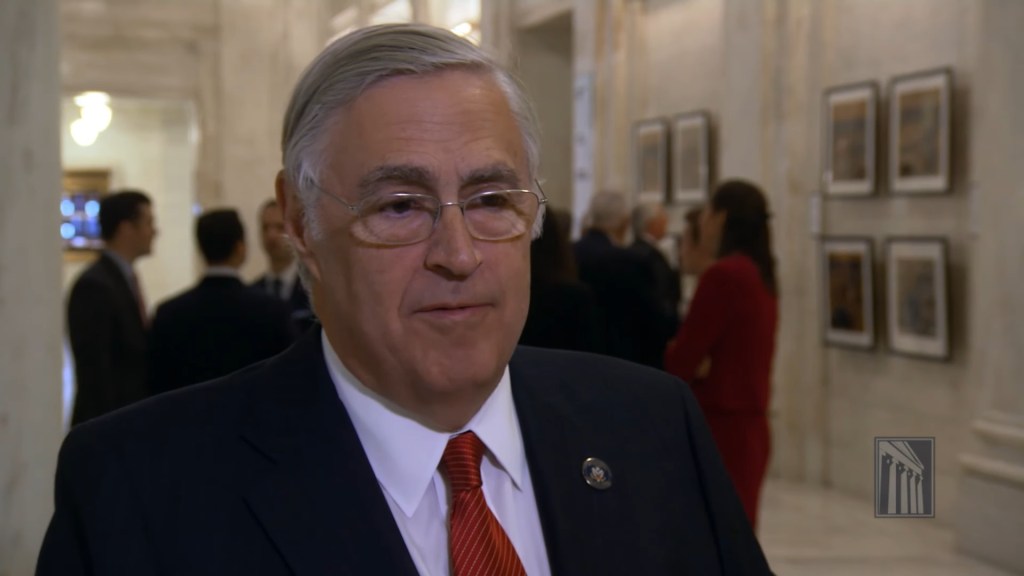
Featured image: Judge Lewis A. Kaplan, who ordered the city to comply with an ICE subpoena for Bruckner shelter records. Photo by the Administrative Office of the U.S. Courts via Wikimedia Commons, public domain.





Leave a Reply