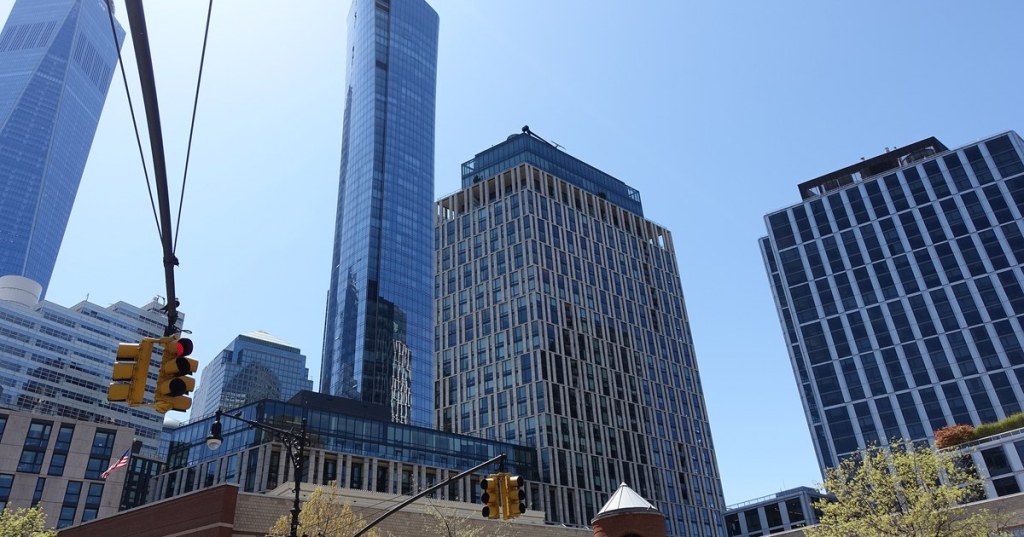
Selling out a condominium tower in Manhattan can take years. At 111 Murray Street, the 792-foot glass tower at the western edge of Tribeca, it took about a decade, and the last unit has now sold. The Real Deal’s Sheridan Wall reported that the building’s final sponsor unit, a full-floor penthouse, closed Monday, Oct. 26, for $31 million, or about $4,000 a square foot.
That is a big number by any normal standard, but a modest one by this building’s own. The developers, Witkoff Group, Fisher Brothers and New Valley Ventures, put the unit in their 2024 offering-plan amendment at $50 million. By the time it was listed in September 2025, the price was just under $34 million. The sale came in about 38 percent below the offering-plan figure and roughly 9 percent below the last asking price.
What $31 million bought
According to The Real Deal, the penthouse covers about 7,700 square feet, with five bedrooms and six bathrooms. It has more than 230 square feet of terraces, a fireplace and a library, and views running from the Hudson to the East River. The developers finished building it out in late summer, and that detail turns out to matter.
The listing agent, Emily Sertic of Douglas Elliman, told the publication that the unit drew “extremely strong interest” once it was complete. “People that are buying in the luxury market at a very high level are extremely interested in being able to move in” right away, she said. “Immediate gratification is definitely something I think we’re seeing more of.”
Ryan Serhant and Emilia Serhant of Serhant represented the buyer, whose identity has not been disclosed.
A pattern, not a one-off
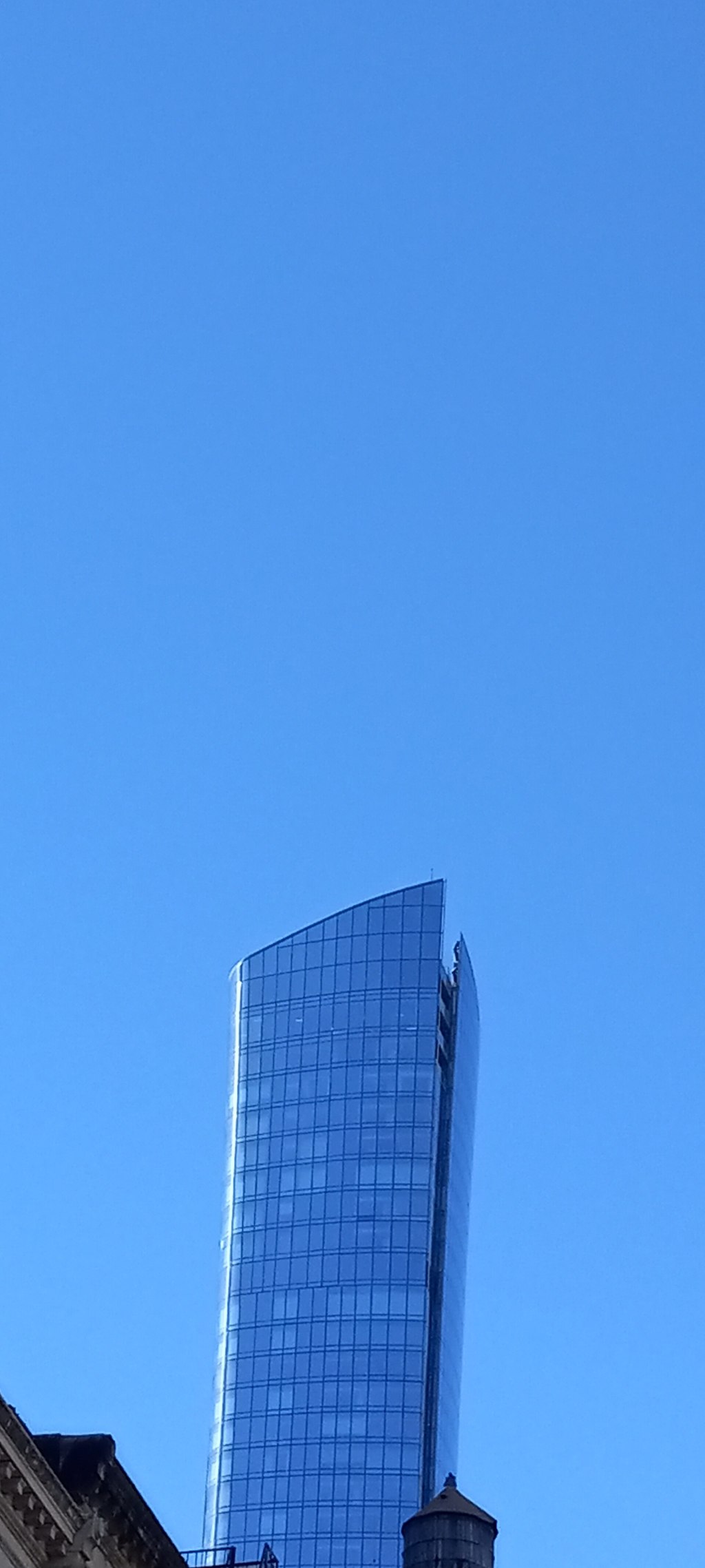
The discount fits a pattern at the top of the building. In July 2025, The Real Deal reported that a different penthouse, PH2, sold to a buyer using a trust for $28 million. That was $17 million less than the $45 million the developers once sought for it in the offering plan.
Top-floor units in new towers have often been priced to signal the building’s value more than to match what buyers will pay. Developers set a high offering-plan price for the crown units, sell everything below them, and then negotiate. That works as long as lower floors are selling, the carrying costs on the remaining units are manageable, and the developers do not need to leave quickly. By 2026, after the last spec penthouse sat finished and empty through the summer, the gap between the offering plan and the market had been settled in the market’s favor.
There is a second lesson in Sertic’s comments. Ultra-wealthy buyers will pay for a finished home they can move into, and are less willing to wait for one. Building out a unit before selling it reduces the buyer’s risk, and in this case it also helped the developers close.
How the tower got built
111 Murray is very much a product of the last cycle. The developers paid about $200 million for the site in 2013. In 2015, they closed a $445 million construction loan from a group that included Blackstone, M&T Bank and Deutsche Bank. Two years later, Blackstone supplied a $650 million inventory loan against unsold units, a common tool for developers who want to repay construction debt without dumping units at once.
The building has 157 units and was completed in 2018. It was designed by Kohn Pedersen Fox, with public spaces and amenities by David Rockwell of Rockwell Group, according to Curbed. The amenities include a lap pool, a hammam, a fitness center and a private dining room.
The players
Each developer comes with its own profile.
- Witkoff Group, founded by Steve Witkoff, has been a significant Manhattan developer and owner for decades. Since early 2025, Witkoff himself has served as a U.S. special envoy in the Trump administration, a role that has made him more famous outside real estate than in it.
- Fisher Brothers is a long-established New York family real estate firm best known for its Manhattan office towers.
- New Valley has invested as a partner in a long list of New York condo projects.
The project’s lenders are well known in the condo-finance market. Blackstone’s role as both construction lender and inventory lender shows how much of New York’s condo boom was funded by private credit and large institutional balance sheets, not developers’ own equity.
Reading the number
Should a $31 million sale at about $4,000 a foot count as a success or a markdown? It is both.
For the developers, closing the last sponsor unit ends their carrying costs, completes the building’s sellout and allows the final accounting. A penthouse that sold for nearly 40 percent less than its 2024 plan price is a disappointment on paper, but it is one unit in a 157-unit tower that has been mostly sold for years.
For the market, it confirms two things that brokers have been saying all year. At the top of Manhattan’s condo market, demand is real but sensitive to price, and buyers have been willing to pay $4,000 a foot for a trophy unit, not the $6,500 the 2024 plan implied. And the “move-in ready” premium now matters more than how exclusive a listing seems.
For 111 Murray, the story is finished. The building that helped sell the idea of glass-tower Tribeca has sold its last key, at a price set by what buyers would actually pay.
Featured image: 111 Murray Street, left, and 101 Warren Street, seen from Chambers and Greenwich Streets in TriBeCa, 2022. Photo by Tdorante10 via Wikimedia Commons, CC BY-SA 4.0.





Leave a Reply