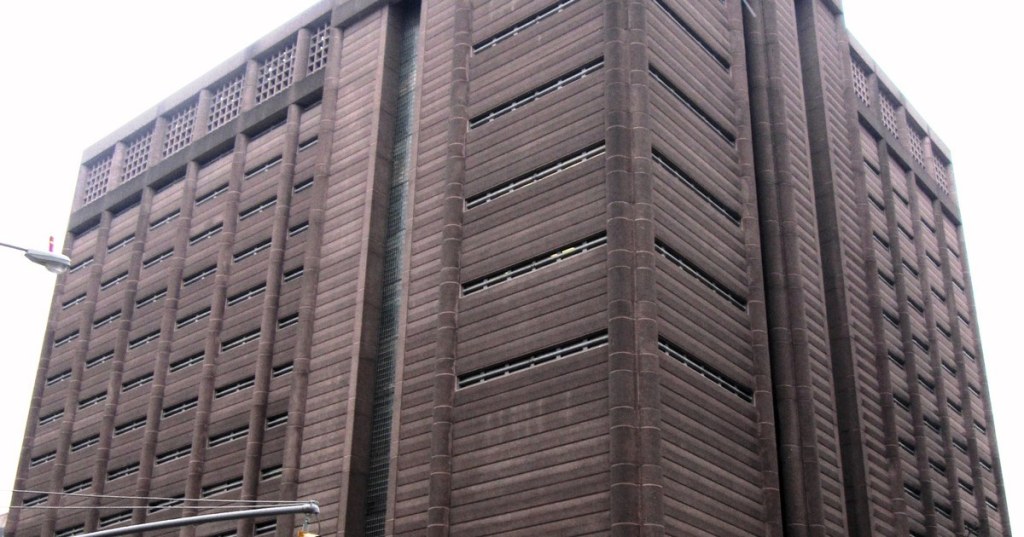
For about two weeks in October, the construction site at 124 White Street, where the city is building what is expected to be one of the tallest jails in the world, ran on an extended schedule. Starting Oct. 12, crews could work from early morning until midnight on weekdays, plus a Saturday shift. On Monday, Oct. 26, Manhattan State Supreme Court Justice Kathy King issued a temporary restraining order halting the after-hours work, Gothamist’s Giulia Heyward reported.
The order is temporary. King has scheduled a Dec. 1 hearing on whether to issue a preliminary injunction, which would keep the limits in place while the case continues.
The lawsuit
Residents and community groups filed the petition last week, Gothamist’s Arya Sundaram reported. The plaintiffs include Jan Lee and his group, Neighbors United Below Canal; Betty Lee; Ping Ai Mei; the organization Welcome to Chinatown; and Jon Alpert of the Downtown Community Television Center, whose building is near the site. The city and the contractor, Tutor Perini, are named as respondents.
Their main legal claim is procedural. They argue that the extended hours were a significant change to a project that had already been through environmental review, and that the change needed review of its own under state and city environmental law. “No environmental review was conducted,” the petition says, according to the Queens Eagle’s Jacob Kaye.
The filings describe what living next to the site has been like. Betty Lee, 78, described “bright lighting, essentially creating daylight conditions” at night. The Eagle reported that delivery trucks have been arriving between 4 and 7 a.m. Reports differ slightly on when the work day started: Gothamist put it at 6 a.m., the Eagle at 7 a.m.
After the order, Jan Lee told Gothamist: “We are over the moon.”
The city’s case
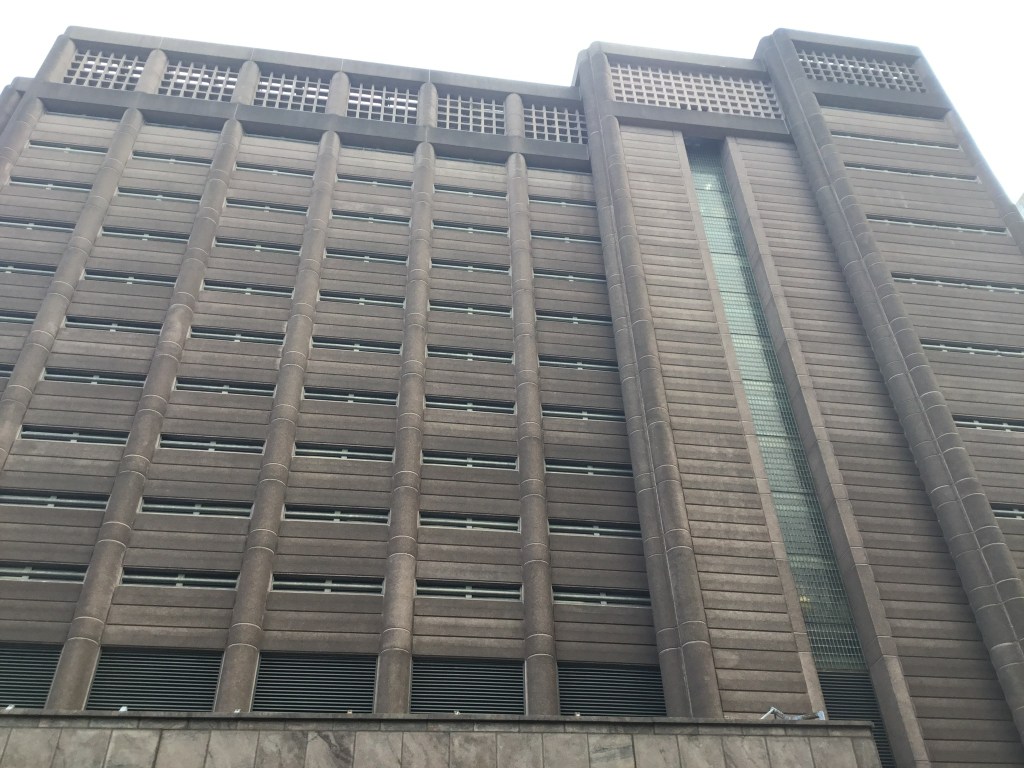
The city’s lawyers argue that the stakes go well beyond one neighborhood. The city has said, according to Gothamist, that without the extended hours, completing the jail would slip to 2034 and cost $340 million more. The Eagle reported that the current target is 2032.
“We are disappointed that after hours work at the site has been temporarily halted,” said Nicholas Paolucci, a spokesperson for the city Law Department. Sam Raskin, a city spokesperson, pointed to the mitigation measures in place and said the city remains “fully committed to meeting our legal and moral obligation” to close Rikers Island.
The deadline that cannot be met
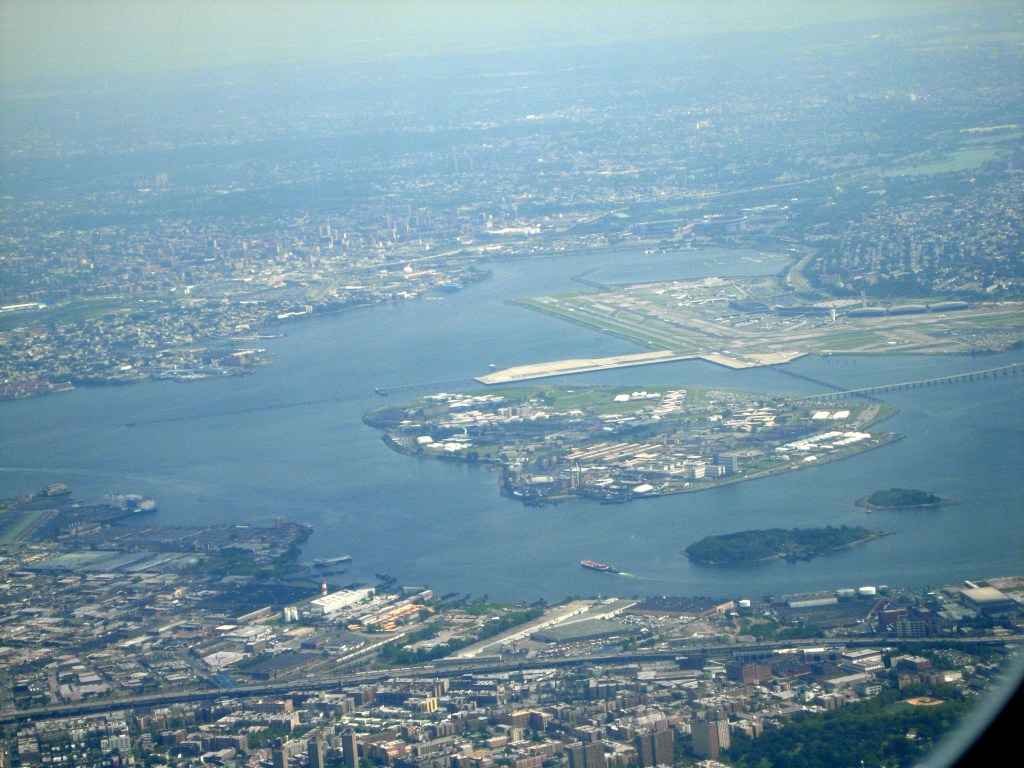
That obligation is the background to the whole fight. City law requires the jails on Rikers Island to close by August 2027, replaced by four borough-based jails in Manhattan, Brooklyn, Queens and the Bronx. The Eagle reported that the four jails are expected to cost about $16 billion. The Brooklyn jail is scheduled to open in 2029, and the Queens and Bronx jails in 2031. The 2027 deadline cannot be met under any current schedule.
The Eagle reported that the City Council is drafting legislation to extend the deadline, and that the Mamdani administration missed a May 2026 deadline for a required report on its plans. The extended hours in Chinatown were part of the city’s effort to make up some of that lost time, and that effort is now on hold.
The legal posture
A temporary restraining order is not a ruling on the merits. It keeps things as they were before the dispute while a judge looks at the arguments more closely. To win a preliminary injunction on Dec. 1, the plaintiffs will generally need to show that they are likely to succeed, that they would suffer irreparable harm without one, and that the balance of hardships favors them.
The city can be expected to argue that the hours change is not the kind of decision that requires new environmental review, and that a court should hesitate to second-guess construction scheduling on a project already approved. The residents will argue that sleep, light and noise are exactly the environmental effects that review is supposed to address, and that the city cannot avoid review by approving changes after the fact.
What’s at stake
The case is not about whether the jail will be built. That has been decided, by the Council in 2019 and in years of litigation since. The question is how much of the burden of the city’s late start falls on the neighbors, and whether the city followed the required process when it changed the work hours.
For Chinatown, where many residents opposed the jail from the start, the restraining order is a rare win. For the city, it is another delay in a project that is already years behind its legal deadline. The Dec. 1 hearing will show whether the order lasts.
Featured image: The north building of the Manhattan Detention Complex on White Street in 2013, since demolished for the new borough-based jail. Photo by Beyond My Ken via Wikimedia Commons, CC BY-SA 4.0.





Leave a Reply