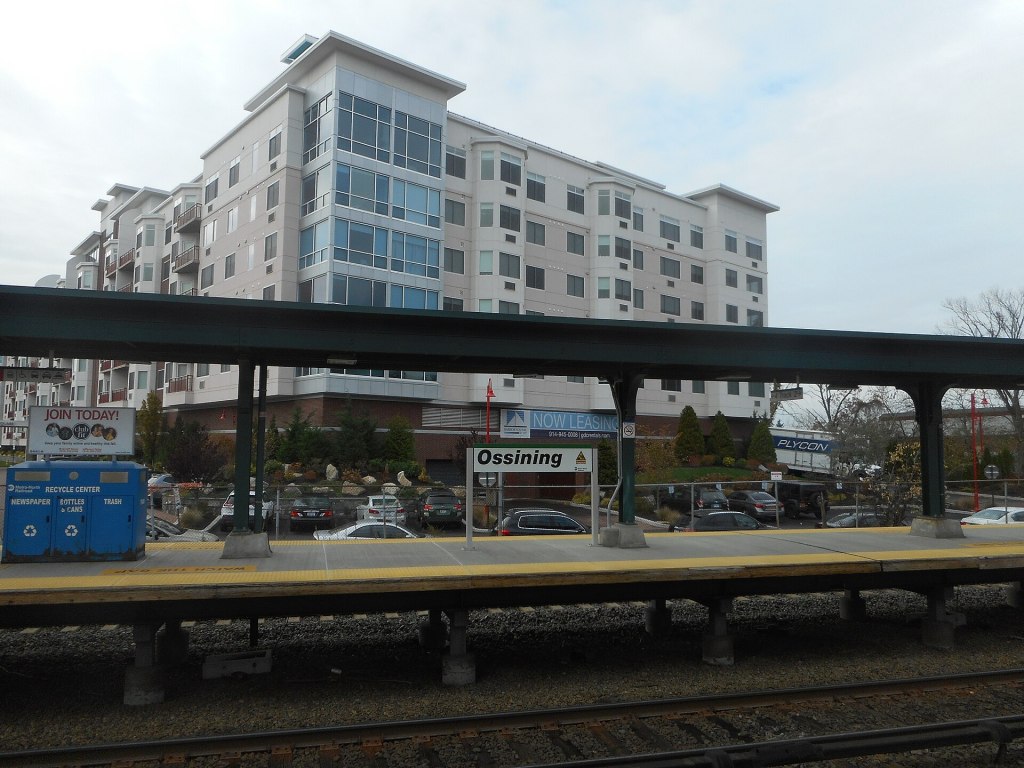
Every suburb has its builder, and for the better part of six decades Westchester’s has been Ginsburg Development Companies. From its offices in Valhalla, the family firm has put up more than 10,000 homes, many of them in the Hudson River towns, and its founder, Martin Ginsburg, remains that rare thing in suburban real estate, a developer who is an architect first.
That reputation is about to be tested on two fronts at once. In Yonkers, GDC has filed plans for an apartment building that would literally straddle a city street. In Mount Vernon, it has asked the city’s Industrial Development Agency to extend a tax break on a shopping center, and the school district, which bears most of the cost, has answered with a pointed letter of its own.
The family business
The firm’s origin story has the economy of a parable. In 1963, as The Real Deal told it in a 2019 profile, Martin Ginsburg, a Bronx-born architect trained at Rensselaer Polytechnic Institute, and his brother Jerome, a lawyer, bought a lot in Greenburgh. A third brother, Sam, also an architect, joined them. The brothers built through the suburban boom, and the partnership eventually narrowed: Jerome left in the 1980s and Sam in the 1990s, leaving Martin as founder and principal of the company that bears the family name.
GDC’s taste has always run more to the civic than to the speculative. Westchester Magazine called him “Westchester’s architect,” and he has made a point, as Westfair Communications reported, of building public art into his projects. The portfolio reads like a gazetteer of the lower Hudson: River Tides at Greystone in Yonkers, Harbor Square in Ossining, the Harbors at Haverstraw, Peekskill Landing and, in White Plains, City Square, a 188-unit rental project the city approved in 2019.
It has not been a straight line. The Real Deal recorded that GDC cut roughly 90 percent of its staff in the 2008 crash, a near-death experience for a developer of for-sale condominiums, and had rebuilt to about 75 employees by 2019, when Ginsburg was 84. The firm’s survival through that period, as much as its buildings, is the argument for its endurance.
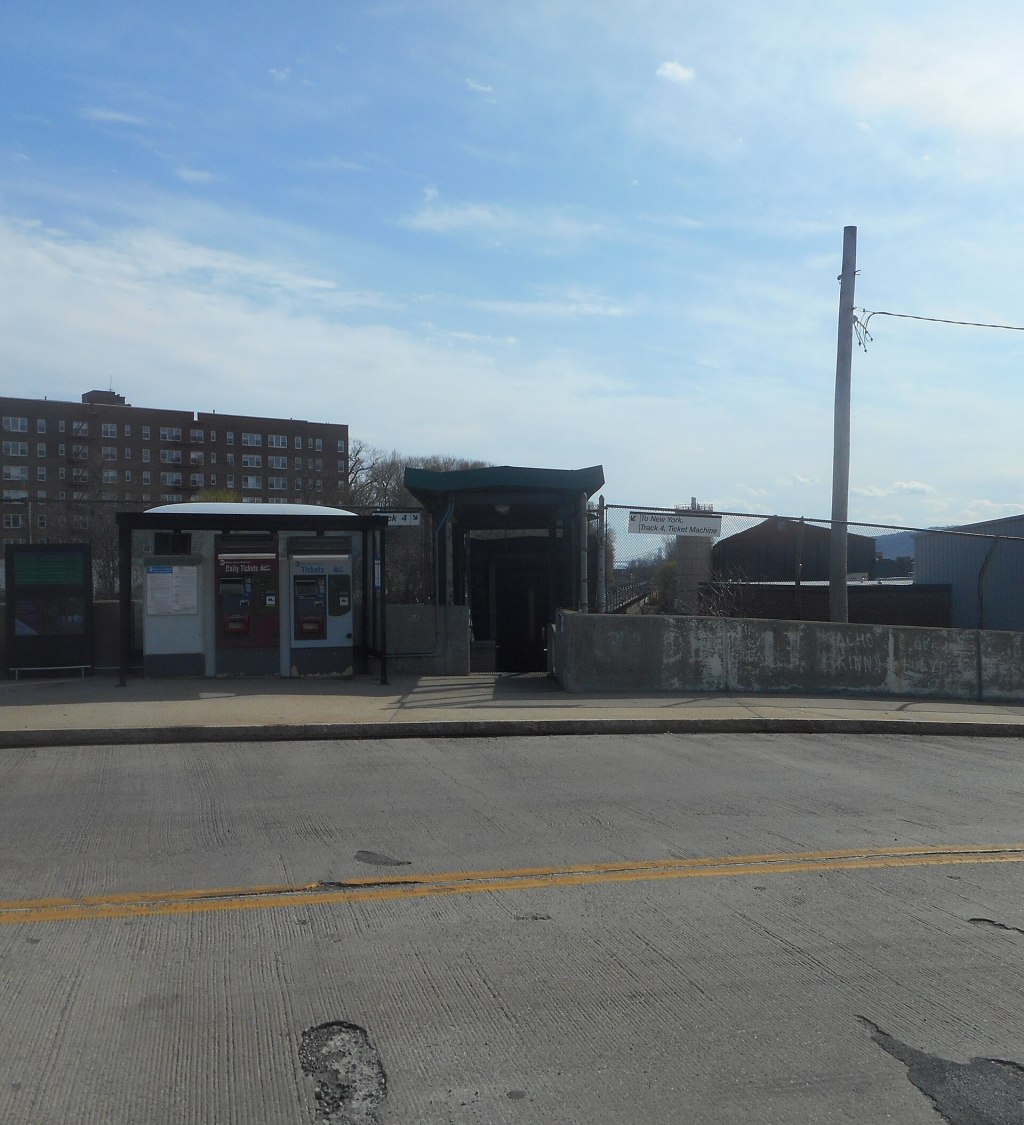
A building over Knowles Street
The Yonkers project is called Bridgewater, and the name is apt. According to Westfair, GDC has submitted plans for Bridgewater South, a mixed-use building at 55 Knowles Street and 151 Ludlow Street in the Ludlow neighborhood, with 177 apartments (18 studios, 78 one-bedrooms and 81 two-bedrooms), 189 parking spaces and 2,860 square feet of retail on Ludlow Street. Eighteen of the apartments would be priced as affordable.
The building’s peculiarity is that it would span Knowles Street, leaving at least 19 feet of clearance for traffic below. “The building actually bridges over Knowles Street,” Leo Torres, GDC’s vice president of architecture and design, told the Yonkers Planning Board. Jim Surdoval of GDC said the city had appraised the street bed and the company had agreed to a price to buy it. “Cars will still be able to pass under,” he said.
The more consequential disclosure was about money. Bridgewater North, a nine-story, 208-unit building at 150 Downing Street, is already approved, and its brownfield cleanup under the state’s tax-credit program is 99 percent complete. But Surdoval told the board that GDC’s financing sources require approval of the second building before construction can begin on the first. The Westchester Brief noted that the site has a long history: the city sold it in 2017 for about $3 million, and an earlier plan called for two 11-story towers with 520 units. The project as now proposed is smaller, at 385 units in total.
Mount Vernon pushes back
The Mount Vernon matter is less architectural and more pointed. GDC owns a shopping center at 500 East Sandford Boulevard, known in the IDA’s records as Heritage House South, anchored by TJMaxx and Petco, which receives a payment-in-lieu-of-taxes abatement. GDC has asked to extend it. In October the agency voted 4 to 0 to adopt a draft inducement, Citizen Portal reported, after Andrew Maniglia, GDC’s vice president of development, and Doug Ramsey, its chief financial officer, cut the requested extension from 14 years to 10 and said they were open to workforce and internship partnerships with the school district.
GDC’s case, laid out in a memorandum to the agency, is a reasonable one: the abatement is due to step down sharply, the center’s anchor tenants face renewal decisions in the coming years, and losing them would cost the city sales-tax revenue and jobs. The company argued that an extension “will inure not to the benefit of GDC, but rather to the future health and viability of this center.”
The Mount Vernon City School District disagreed, in an August letter signed by its board president, Donna Marable, and trustee Chris McDonough. Citing the agency’s own consultant, the district said the extension would forgo about $7.1 million in taxes, $4.0 million of it school revenue, while the sales tax it is meant to protect flows to the city, not the schools. The district’s letter stated that East West Bank declared the mortgage in default in May 2026 and deferred a foreclosure filing in exchange for a $2,313,000 payment, and that the consultant estimated the extension would raise GDC’s proceeds on a sale from about $2.0 million to about $10.6 million. The district asked for no action until the mortgage question is resolved and, failing that, a five-year cap.
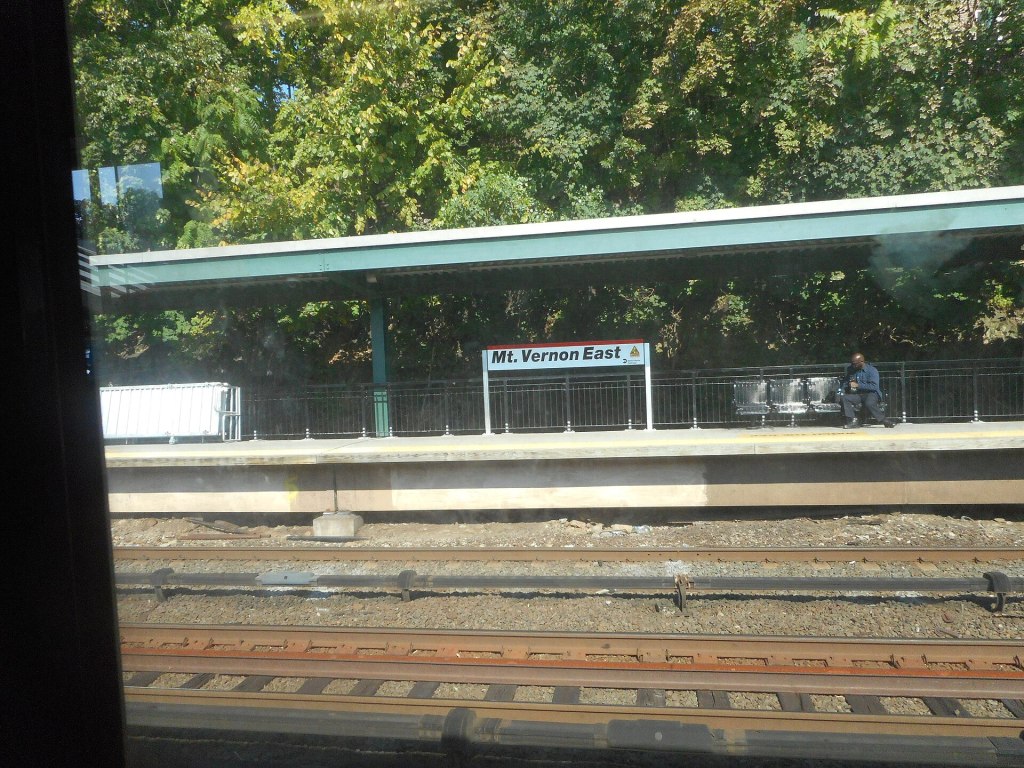
Neither side is wrong about its interests. A developer is entitled to argue that a healthy shopping center serves everyone, and a school board is entitled to ask why its students should fund a benefit that accrues to the city’s treasury. The draft inducement shortened the term but did not adopt the district’s cap.
Martin Ginsburg is still the name on the door, and both of these deals are, in their way, characteristic: one an ingenious piece of architecture that solves a site problem by spanning it, the other a hard-nosed negotiation over who pays for a suburb’s commercial base. The firm has always been good at the first. Mount Vernon is testing the second.
Featured image: Ginsburg Development’s Harbor Square apartments, seen from the Ossining Metro-North station. Photo: DanTD via Wikimedia Commons, CC BY-SA 4.0.





Leave a Reply