Thursday, Oct. 29, was the kind of day Wall Street’s merger bankers pretend not to live for. That morning, DoorDash announced it would buy Instacart for roughly $17 billion, and discussed the deal on its 8:30 a.m. earnings call. The same day, the security company ADT said it would be taken private by Thrive Holdings in a $15.3 billion deal. Two blockbusters, one day, and on the sell side of both, the same two names: Goldman Sachs and Cravath, Swaine & Moore.
The grocery deal is the bigger of the two, and the more interesting to take apart.
The terms
Under the merger agreement announced by DoorDash, Instacart shareholders will receive $65 a share, a 26 percent premium to Instacart’s close on Oct. 22, the last trading day before press reports of a possible deal. Maplebear Inc., the registered name of Instacart, carries an equity value of about $17 billion at that price.
The consideration is a cash-and-stock election with a cap. Holders can choose $65 in cash, 0.3372 DoorDash shares, or a mix of $48.75 in cash plus 0.0843 DoorDash shares, but stock can make up no more than 25 percent of the aggregate consideration, with proration if shareholders oversubscribe. In plain English: at least three-quarters of this deal will be paid in cash, which is the sort of thing a target’s board likes to hear and a buyer’s treasurer has to find.
DoorDash says it will fund the cash with money on hand and new borrowing, and it has a commitment letter from JPMorgan Chase Bank for a 364-day senior unsecured bridge loan; the deal carries no financing condition. The company said it is targeting a capital structure that keeps its investment-grade ratings, which is a polite way of telling bond investors that a sizable bond deal to take out that bridge is likely on the way.
The lineup
Centerview Partners is lead financial adviser to DoorDash, with J.P. Morgan Securities also advising. That pairing is the modern template for a big strategic acquisition: an independent boutique holding the pen on strategy and valuation, and a balance-sheet bank providing both advice and the money. JPMorgan Chase Bank also acted as sole lead arranger and bookrunner on the bridge, which means the bank sits on the fee table twice. Latham & Watkins is DoorDash’s legal counsel.
On the other side, Goldman Sachs is Instacart’s financial adviser, with Cravath and Cooley serving as legal counsel. It is a classic bicoastal pairing: a Silicon Valley technology firm alongside a Manhattan merger shop of the kind a long antitrust review tends to demand.
Now look across the street at ADT. According to ADT’s announcement, Citi and Goldman Sachs advised ADT, with Cravath as legal counsel, while Evercore was exclusive financial adviser to Thrive Holdings, with Kirkland & Ellis as counsel. Goldman and Cravath, in other words, ran the sell side on roughly $24.6 billion of announced equity value in a single day. Whatever else the fourth quarter brings, the league tables already have a story.
The long road to closing
The fine print explains why DoorDash is paying in cash and why the bankers will be earning their success fees slowly. The companies expect the deal to close at the end of 2027 or in the first half of 2028, subject to Instacart shareholder approval, expiration of the Hart-Scott-Rodino waiting period, and approvals in Canada and Israel. That is an unusually long runway, and it is a frank acknowledgment that Washington will want a close look at a combination of the leading restaurant-delivery app and the leading grocery-delivery app.
DoorDash has plainly drafted its pitch with regulators in mind. Its announcement leans on “local” the way a Brooklyn coffee shop leans on “artisanal”: the combined company would help “stores of every size” compete with the biggest online retailers, would impose no grocery exclusivity, and would let Instacart shoppers decide whether to take DoorDash orders at all. DashPass and Instacart+ members would pay one membership fee instead of two, which the company estimates would save consumers about $100 million a year.
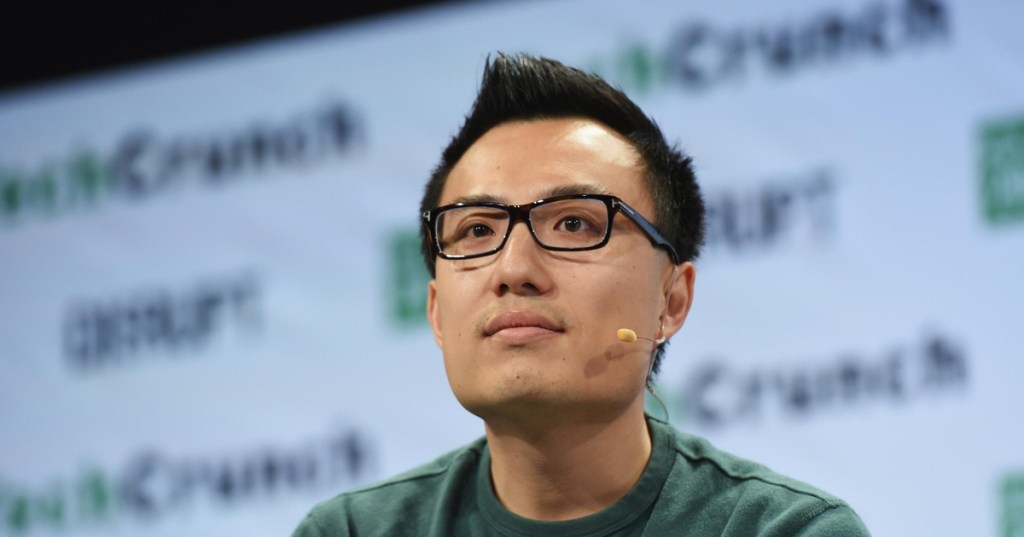
“Grocery is one of the hardest things to get right online,” said Tony Xu, DoorDash’s co-founder and chief executive. “Someone has to pick a ripe avocado, find a substitute you’d choose yourself, and get the ice cream to you before it melts.”
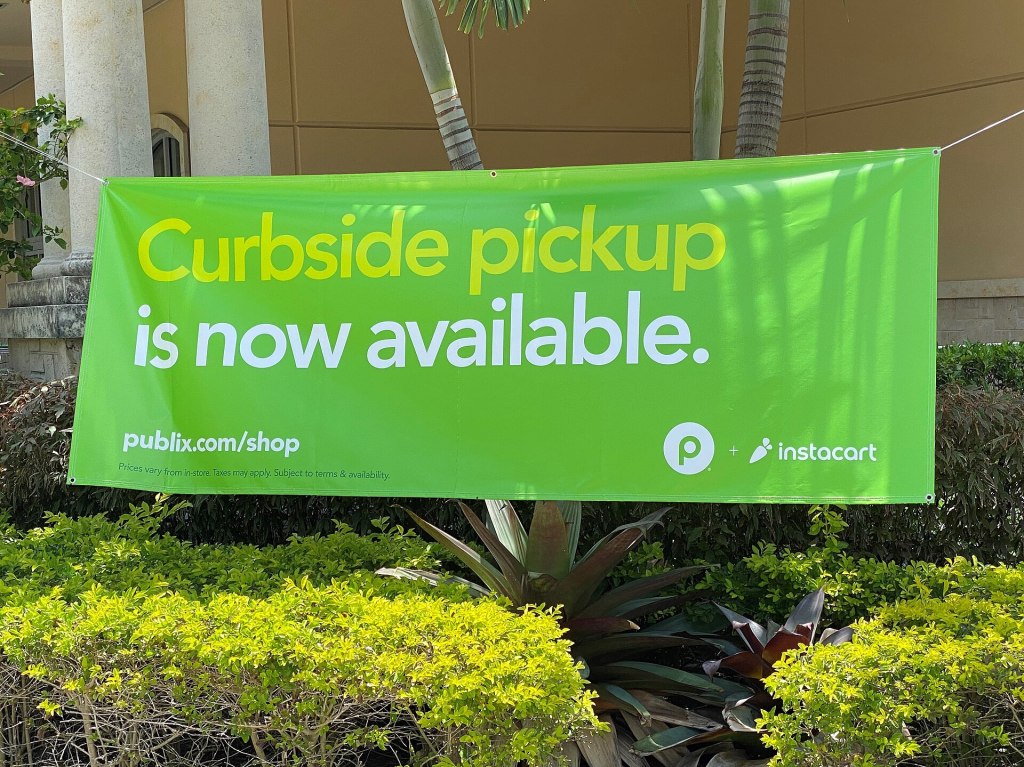
“Over the last 14 years, Instacart has transformed online grocery by helping retailers of all sizes compete and grow, and joining forces with DoorDash allows us to do even more,” said Chris Rogers, Instacart’s chief executive.

What the bankers are watching
Three things matter from here. First, the election mechanics: if DoorDash’s stock rallies, more Instacart holders will want shares, and proration will bite. Second, the financing: a 364-day bridge is a placeholder, and the bond deals that replace it will be among the larger investment-grade financings of the winter, a fresh fee pool for the same banks. Third, the vote: shareholders holding about 19 percent of Instacart’s stock have already agreed to support the deal, which gives the board a running start.
The case for the deal, made most forcefully by DoorDash’s own supporters, is that grocers cannot match Amazon and Walmart alone, and that a scaled, independent alternative strengthens rather than weakens competition. Skeptics are likely to press the opposite case with antitrust regulators. Either way, the advisers will be billing for a good long while. In New York’s merger trade, that is what is known as a good problem.
Featured image: DoorDash co-founder and chief executive Tony Xu at TechCrunch Disrupt NY at the Brooklyn Cruise Terminal, May 11, 2016. Photo: Noam Galai/Getty Images for TechCrunch via Wikimedia Commons, CC BY 2.0.




Leave a Reply