A week after Koran Irvine was shot dead on the George Washington Bridge, the case against the retired police detective accused of killing him became more serious. A Manhattan grand jury indicted Victor Romero on Tuesday, Oct. 27, on a charge of second-degree murder, CBS New York reported, hours after his first public court appearance since his arrest.
Romero, a retired detective with the New York City Police Department, is presumed innocent. He is expected back in court on Nov. 23, NBC New York reported.
What police and prosecutors allege
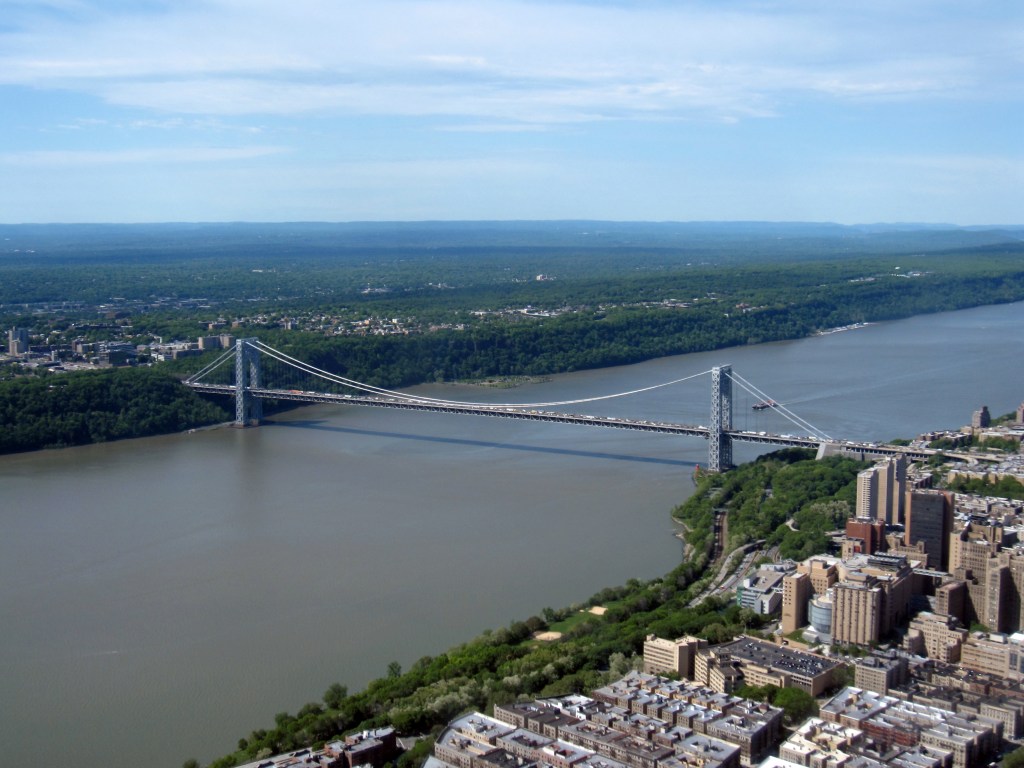
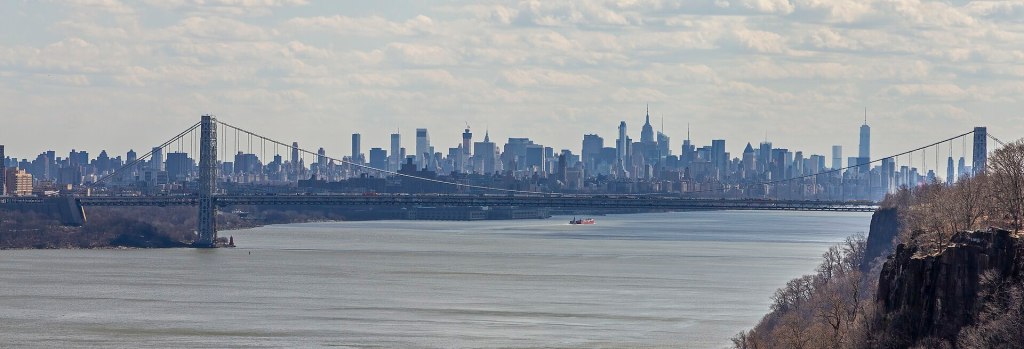
According to ABC7 New York, prosecutors allege the confrontation began at about 6:45 p.m. on Tuesday, Oct. 20, when the two men changed lanes at the same time while entering the bridge’s upper level and nearly collided. Prosecutors say surveillance video shows Romero, in a black company Range Rover, aggressively tailgating Irvine’s Volkswagen Golf, then pulling alongside and firing through its rear passenger window before driving onto the Palisades Interstate Parkway toward his home in Haverstraw.
Irvine was 46, a father of two, and worked for Con Edison. He was driving home from work, CBS reported.
From murder to manslaughter and back
The charges have changed several times in a week. Romero was first arrested on a murder charge. At his arraignment last week, however, prosecutors charged him with first-degree manslaughter, a lesser count, and he was released after posting $1 million bail. The family objected strongly.
“Victor Romero was given privileges. He was allowed to put bail of $1 million. Would that same privilege be given to one of our children?” Irvine’s aunt, Gail Forde, said at a rally on Oct. 27, according to CBS. His sister, Zeria Irvine, said: “It could be anybody. It’s not just Koran.” His wife, Patricia Irvine, told ABC7 on Oct. 26: “You already see the preferential treatment.”
Nicholas Liakas, an attorney for the family, said in a statement to NBC before the indictment that it was “clear that he received preferential treatment because of his former position in law enforcement.” After the indictment, another family attorney, Keith White, told CBS: “The appropriate charge is now being charged, but now expecting and pushing for his bail to be revoked.”
Irvine’s union also weighed in. Frank Morales, its president, sent a letter on Friday, Oct. 23, urging Manhattan District Attorney Alvin Bragg to pursue the murder charge, and called for Romero to be held until trial. “This man is not a hero,” Morales told CBS. About 100 Con Edison workers gathered outside the courthouse, ABC7 reported.
The District Attorney’s office presented the murder charge to the grand jury, NBC reported, but has said little in public about why it charged manslaughter at arraignment.
What the charges mean
The difference between the charges is a matter of intent. Under New York law, second-degree murder generally requires proof that a defendant intended to cause death, or acted with depraved indifference to human life. First-degree manslaughter generally requires an intent to cause serious physical injury, resulting in death. Second-degree murder carries a maximum of 25 years to life in prison. First-degree manslaughter carries up to 25 years.
It is common for charges to change between arrest, arraignment and indictment. A complaint filed at arraignment reflects what prosecutors can support at that early stage. A grand jury indictment comes after prosecutors present evidence and the grand jurors find reasonable cause to believe the defendant committed the crime. The grand jury’s vote on the murder count means prosecutors made that case in a closed presentation. It does not mean a trial jury will agree.
The family’s concern is a familiar one: when a former officer is charged with a lesser crime and released on bail, people ask whether a civilian would have been treated the same way. Prosecutors have not publicly answered that question, and the family’s lawyers plan to raise bail again.
What’s next
Romero is due back on Nov. 23 for arraignment in State Supreme Court. The family’s lawyers have said they want his bail revoked and him held until trial; any such request would be for prosecutors to make and the judge to decide.
The evidence on the central questions will come later: what happened during the near-collision, what Romero saw or believed, whether he raises any justification, and what happened afterward. For now, Irvine’s family and coworkers have the murder charge they asked for, and Romero keeps the presumption of innocence.
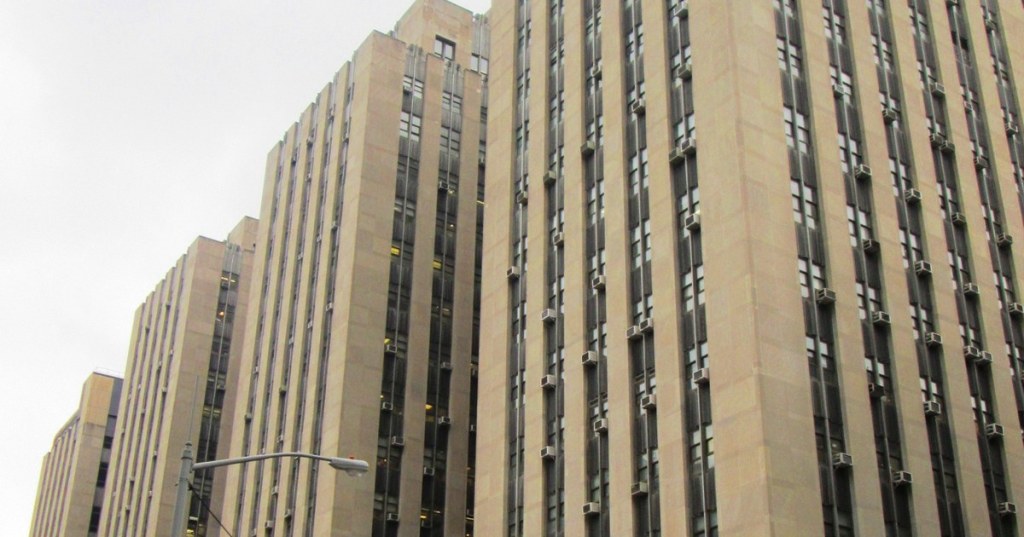
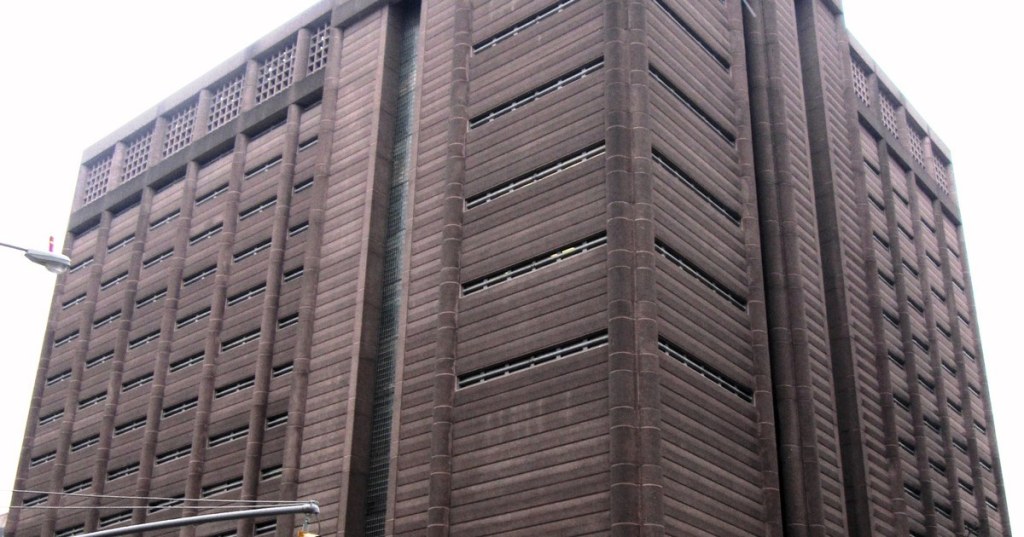
Featured image: The Criminal Courts Building at 100 Centre Street in Manhattan. Photo by Beyond My Ken via Wikimedia Commons, CC BY-SA 4.0.



Leave a Reply