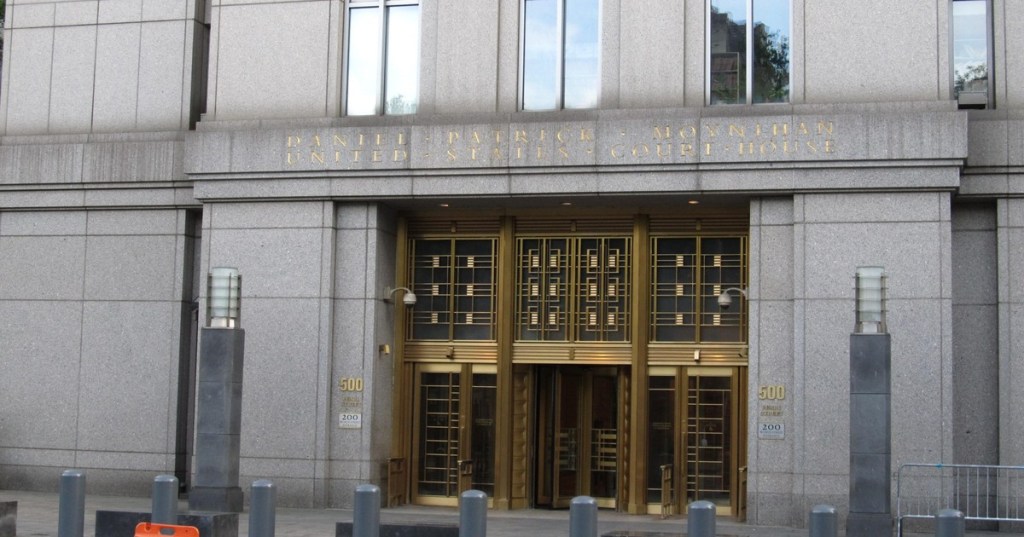
For two and a half years, the most expensive reality show Bravo had going in Manhattan was not filmed in a Tribeca loft or a Hamptons rental. It played out on paper at the federal courthouse at 500 Pearl Street.
On Friday, Oct. 30, Leah McSweeney, the streetwear designer who joined “The Real Housewives of New York City” for its 12th and 13th seasons, filed a stipulation of voluntary dismissal ending her lawsuit against Andy Cohen, Bravo and the companies behind the franchise. The case was dismissed with prejudice, meaning the claims cannot be brought again, and without costs, under Rule 41(a)(1)(A)(ii) of the Federal Rules of Civil Procedure, according to the docket as reported by Inner City Press. Page Six reported that the parties had settled; the terms were not disclosed.
“We are extremely satisfied with the outcome [and] we are proud of Leah and her perseverance,” Gary Adelman of Adelman Matz, McSweeney’s lawyer, told Page Six.
The settlement means Bravo avoids what Page Six described as the network’s first courtroom trial against a cast member. The economics of why it settled are, for anyone in the business of unscripted television, the more instructive story.
The case
McSweeney sued in early 2024 in the Southern District of New York. Her defendants were Cohen, the franchise’s executive producer; producers Lisa Shannon, John Paparazzo and Darren Ward; and the corporate entities Warner Bros. Discovery, Shed Media US, NBCUniversal Media and Bravo Media. She accused them of pressuring her to drink to boost ratings, of mocking her sobriety and of retaliating against her when she would not cooperate. The defendants denied wrongdoing and argued that the First Amendment protects a network’s decisions about whom to cast and what to film.
In a 100-page opinion in March 2025, U.S. District Judge Lewis J. Liman largely agreed with Bravo on that principle, dismissing more than half of McSweeney’s 33 counts, as Courthouse News Service reported. “Defendants have established, from the face of the complaint, that they had a First Amendment right to choose to make a show that celebrated a party life and the drinking of alcohol,” he wrote. “They had a corresponding right to cast only persons who could consume large quantities of alcohol.”
But Liman let the heart of the workplace case continue, including disability discrimination, hostile work environment and failure-to-accommodate claims against the corporate defendants. The accommodation claim turned on McSweeney’s allegation that she was promised access to support meetings while filming the spinoff “Real Housewives Ultimate Girls Trip” in Thailand and then denied it. In other words, a network may choose to make a show about drinking; it does not necessarily get to treat its talent however it likes while doing so.
The arbitration gambit
The ruling that most changed the economics came this year. The defendants contended that McSweeney’s agreements called for arbitration, the industry’s standard tool for keeping talent disputes out of public courtrooms. Yet they did not invoke it at first. According to Liman’s March 9, 2026 memorandum and order, it was not until June 18, 2025, “fourteen months after Plaintiff initiated this action and after Defendants had filed two motions to dismiss,” that they told McSweeney’s lawyers they would move to compel arbitration. The motion was filed in July 2025.
Liman denied it, holding that the defendants had waived the right. Applying the Supreme Court’s 2022 decision in Morgan v. Sundance and the Second Circuit’s decision in Doyle, under which the party opposing arbitration no longer has to show prejudice, he concluded that the companies had invoked the court’s authority and sought dispositive relief before trying to leave. They moved to arbitrate, he wrote, only “after they had taken that gambit and lost, and after they confronted what might have appeared to be the daunting specter of civil discovery in federal court.”
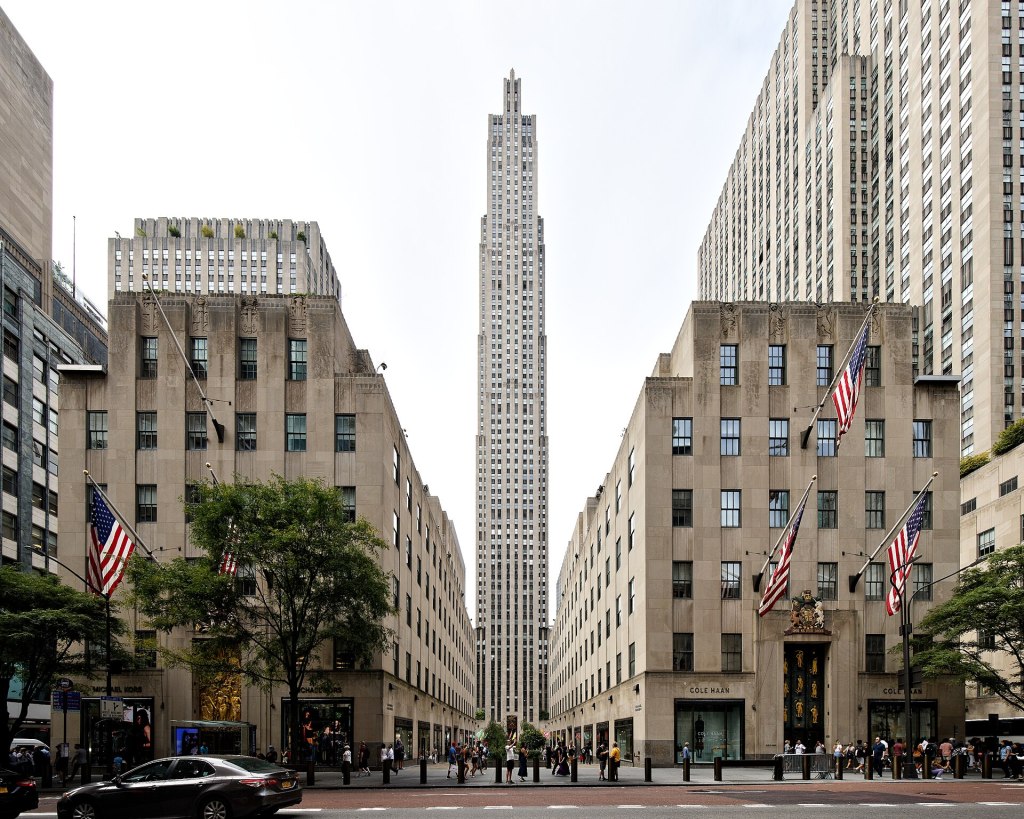
That is a lesson for every studio lawyer in Burbank and at Rockefeller Center. Under Morgan, a defendant that wants arbitration has to ask for it early, and cannot test its luck on a motion to dismiss first. Bravo’s First Amendment strategy, which won half the case, cost it the confidential forum it might otherwise have had for the other half.
The math of settling
By April of this year the case had a jury-trial designation, with motions due in April 2027. For NBCUniversal and its co-defendants, the calculus from there was straightforward. Trial would mean depositions of executives and producers, discovery into production practices that the industry has long kept behind nondisclosure agreements, and a public airing in a Manhattan courtroom where the judge had already said the surviving claims were serious enough to proceed. Even a defense verdict would have been bought with months of unflattering headlines about the business model of a franchise that remains one of Bravo’s most valuable.
McSweeney, for her part, faced the classic plaintiff’s dilemma: a narrowed case, a long road to trial and the uncertain arithmetic of a jury award against the costs of getting there. Settlements in that posture are about certainty on both sides.
Other “Housewives” have sued the network, Page Six noted, including NeNe Leakes of the Atlanta franchise. But McSweeney’s case went further than most, and the rulings it produced will outlive the settlement. The March 2025 opinion gives networks a robust First Amendment defense on casting and creative choices. The March 2026 order tells them that the arbitration clauses they depend on can be lost through litigation tactics.
The brand
McSweeney came to Bravo with a business of her own: Married to the Mob, the downtown streetwear label she founded, which gave her a profile in New York fashion before reality television did. Reality stardom has long been a marketing channel for cast members’ businesses. Her litigation was a reminder that the arrangement runs on contracts, and that what is in those contracts, and when the parties choose to enforce them, can matter as much as anything that happens on camera.
The docket is closed. The precedent remains open for business.
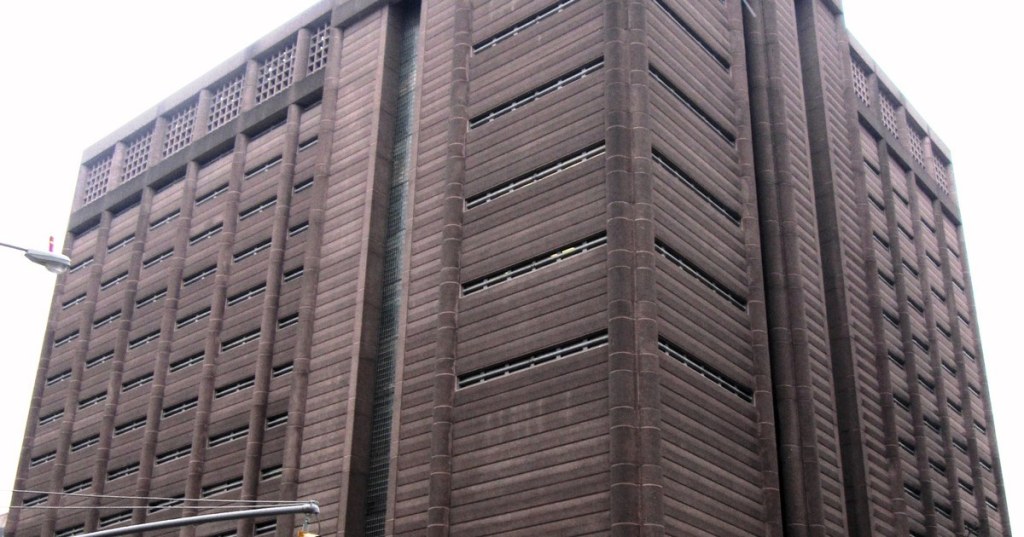
Featured image: The Daniel Patrick Moynihan U.S. Courthouse at 500 Pearl Street, home of the Southern District of New York. Photo: Ken Lund via Wikimedia Commons, CC BY-SA 2.0.



Leave a Reply