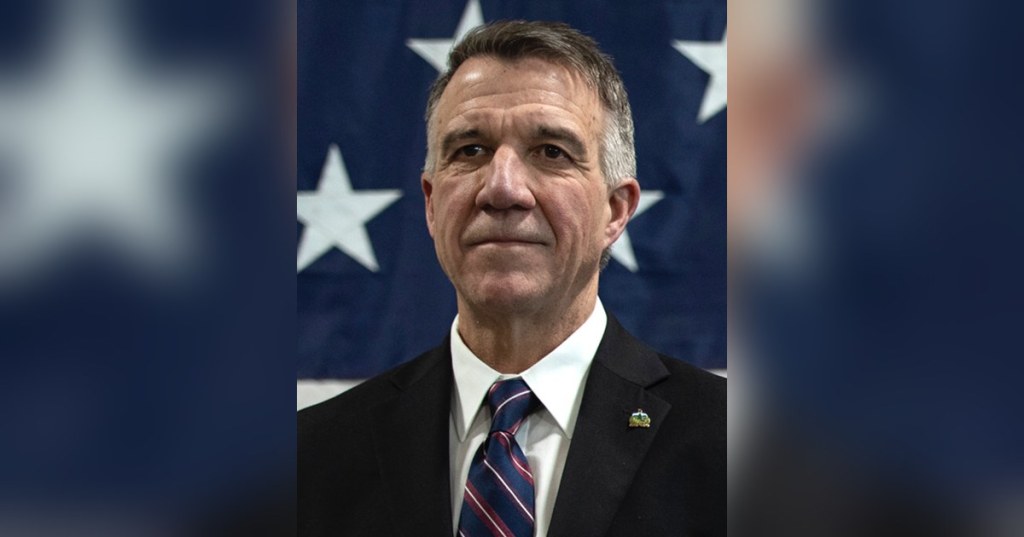
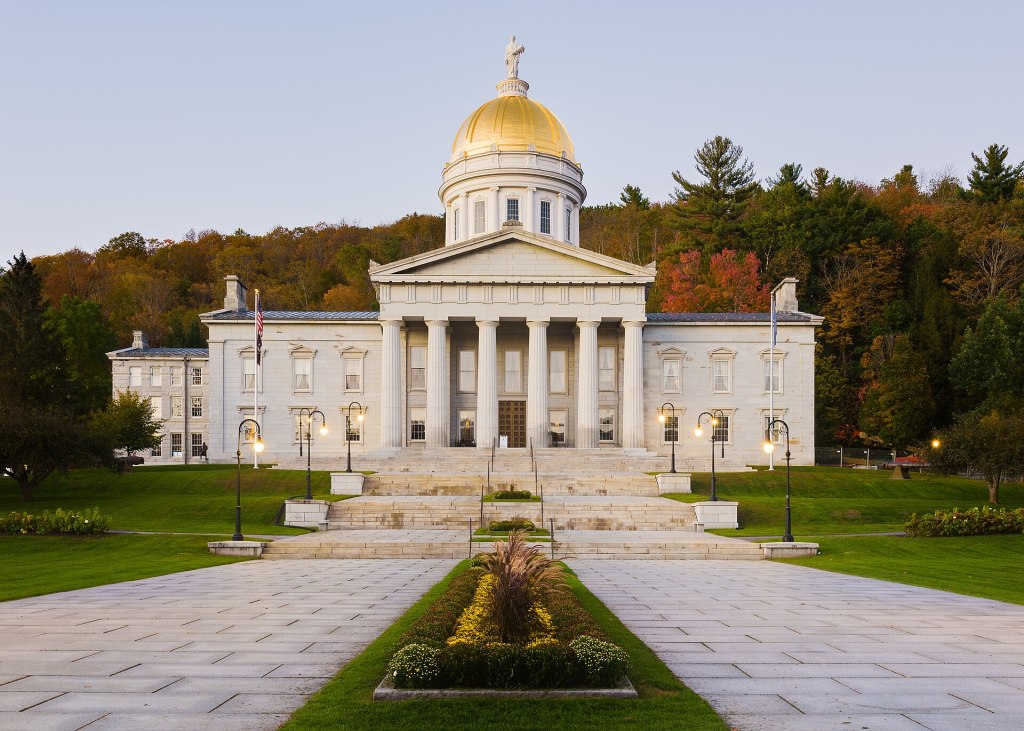
In Vermont the political calendar matters less than the thermometer, and by late October both point the same way. On Oct. 23 the state’s Emergency Board, made up of Republican Gov. Phil Scott and the chairs of the Legislature’s four money committees, all Democrats, voted unanimously to spend $15.3 million to help low-income households heat their homes this winter.
There was no roll-call drama. The money comes from a $50 million reserve lawmakers set aside to cushion federal funding cuts. It goes into the state’s Seasonal Fuel Assistance Program, which delivers federal Low Income Home Energy Assistance Program (LIHEAP) dollars, and into its crisis fuel fund, VTDigger reported.
Where the money goes
Of the total, $12.7 million will raise seasonal benefits. Officials said the program will now cover about 62 percent of an eligible household’s projected heating costs, up from 45 percent. The other $2.6 million goes to crisis fuel assistance, the emergency deliveries for households that run out mid-winter, and is expected to reach about 2,400 more households.
Seasonal benefits are due to start arriving in mid-November. Crisis assistance starts Nov. 30.
Last winter 14,872 Vermont households received seasonal fuel aid, averaging $1,210 each, according to figures presented to the board. Vermont’s federal LIHEAP block grant this year is about $22.7 million.
Why now
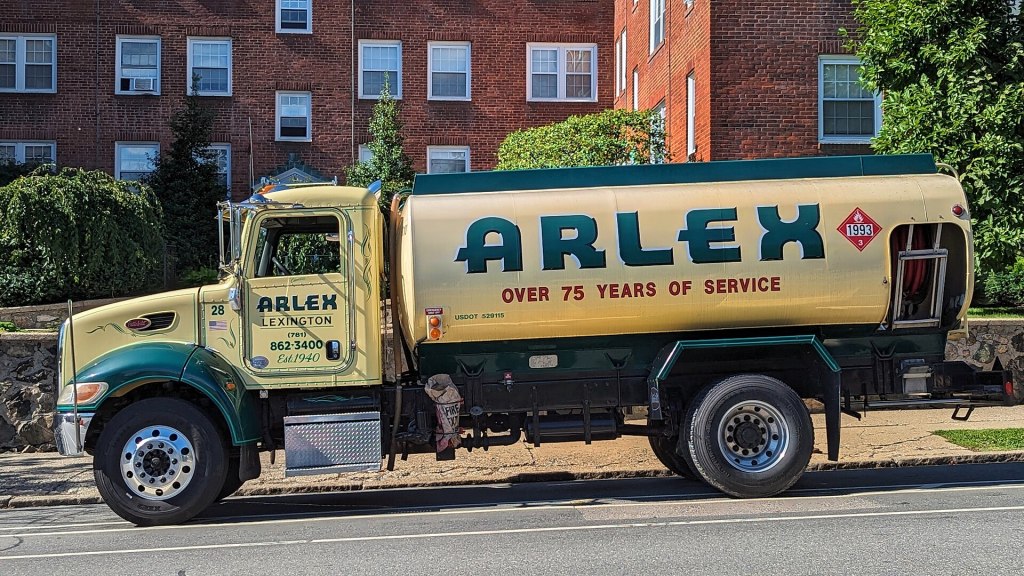
The reason is the price at the pump, or rather at the tank. Citing U.S. Energy Information Administration data, officials said the average price of heating oil in Vermont has risen from $3.41 to $6.10 a gallon since last year. Kerosene, which many older and rural homes burn, is up 61 percent. State officials, as Vermont Public and Seven Days reported, tied the spike largely to the war with Iran and its effect on global oil markets.
For a household that burns 800 gallons over a winter, that difference comes to more than $2,000. Federal LIHEAP money, which is set in Washington and which the Trump administration has proposed cutting in past budgets, does not rise with prices.
Jared Duval, who leads the Energy Action Network, a nonprofit that tracks Vermont’s energy data, described the situation for low-income households as “dire.”
Bipartisan, with an edge
Mr. Scott, who has long told voters he is a careful steward of the state budget, presented the vote as protecting people, not as new spending. The money, he said, would “give some comfort to those who we need to protect across Vermont.”
He also took a swipe at the cause. The price spike, he said, “could have been avoided, but hasn’t been.” He did not say who, in his view, could have avoided it.
The Democrats on the board took the same side with different emphasis. Senator Andrew Perchlik, who chairs the Senate Appropriations Committee, praised the process. “It’s a good example of working together to get something done for Vermonters,” he said. On the chances of more federal help, he was blunt: “I’m not going to hold my breath.”
Representative Emilie Kornheiser, who chairs the House Ways and Means Committee, spoke about household budgets. “So many of us don’t have any extra wiggle room at all in our budgets,” she said.
Representative Robin Scheu, chair of House Appropriations, put it simply: “People shouldn’t be freezing in their houses in the winter.”
The fiscal question
Nobody on the board argued against the spending, but the vote does raise a question budget hawks of both parties will ask in January: how long the $50 million reserve will last. Lawmakers created it to cover federal cuts in programs from health care to nutrition. Spending almost a third of it on one winter’s fuel prices means less is left for whatever Washington does next.
Supporters say that is exactly what a reserve is for. Critics on the right have argued that Vermont’s energy costs are partly self-inflicted and point to the state’s climate policies; critics on the left say one-time money doesn’t fix a structural problem in a state where so many homes still heat with oil. The board’s vote settles neither argument. It just pays a share of this winter’s bills.
The Legislature returns in January. By then the state will know whether prices have eased and whether the federal government has released more LIHEAP money, which Congress has done in some past winters.
What eligible households should know
The seasonal program is run by the Department for Children and Families, which takes applications. Crisis fuel help is available through the state’s community action agencies once the crisis program opens on Nov. 30.
The meeting materials, including the administration’s spending request, are posted on the Agency of Administration’s website.
For a state that measures winter in cords of wood and gallons of No. 2, the board’s decision was, by Montpelier standards, quick and quiet. The test comes in February, when tanks run low and the price is whatever it is.
Featured image: Vermont Gov. Phil Scott at Camp Johnson in Colchester, Vt., March 2019. Photo by Master Sgt. Sarah Mattison, U.S. Air National Guard via Wikimedia Commons, public domain.



Leave a Reply