In 1989, a 28-year-old playwright who had once tended bar at a Broadway house opened his first Broadway play at the Music Box. The playwright was Aaron Sorkin, the play was “A Few Good Men,” and three years later Rob Reiner’s film turned one exchange from it into national property. Ask almost anyone to finish the sentence “You want the truth?” and they will.
Thirty-seven years on, the play is getting its first Broadway revival. Lincoln Center Theater opened “A Few Good Men” on Thursday, October 29, at the Vivian Beaumont. Previews began on October 8, and the limited run is scheduled through January 10, 2027.
The company
The director is Michael Arden, who has won Tony Awards for directing “Parade” and “Maybe Happy Ending.” It is a telling hire. Arden’s recent work has been about stripping big, familiar material down to its bones and staging it with unusual nerve.
Lt. Daniel Kaffee, the glib Navy lawyer who would rather plead out a case than try it, is played by Tom Blyth, a Juilliard-trained actor best known as the young Coriolanus Snow in “The Hunger Games: The Ballad of Songbirds & Snakes.” This is his Broadway debut. Krysta Rodriguez plays Lt. Cmdr. JoAnne Galloway, the lawyer who pushes Kaffee into court.
The casting coup is Bradley Whitford as Col. Nathan Jessep, the Guantanamo commander whose courtroom tirade is the play’s most famous scene. Whitford has history with this text. He joined the original Broadway production as a replacement Kaffee. A decade later he became Josh Lyman on Sorkin’s “The West Wing,” and he went on to “Studio 60 on the Sunset Strip.” Casting the play’s original young hero as its aging villain is the kind of rhyme that theater loves and film rarely gets.
The ensemble includes Stephanie Berry, Nick Blaemire, Michael Braugher, Christopher Gurr, Billy Eugene Jones, Collin Kelly-Sordelet, Michael Oberholtzer, Lavel Schley, Thom Sesma, Daniel Velez and John Zdrojeski. Dane Laffrey designed the sets, Alejo Vietti the costumes, Japhy Weideman the lighting and Joshua D. Reid the sound, with music by Gabriel Mann. Lincoln Center Theater is producing in association with No Guarantees Productions, Tom Kirdahy, Kevin Ryan, Lamar Richardson and Mary Sullivan, according to Playbill.
Sorkin’s second draft
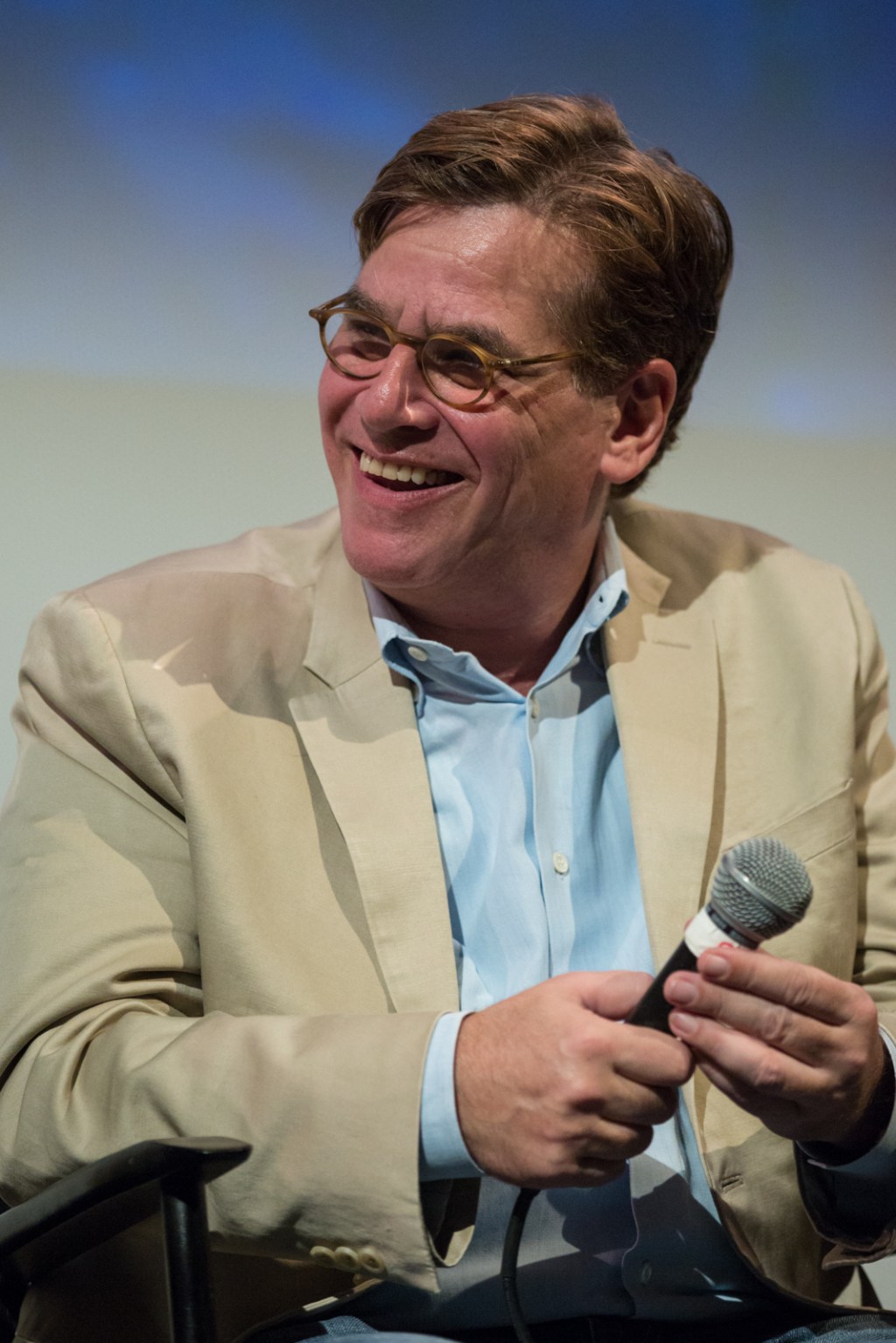
The most disarming remarks about the revival have come from the author. Speaking to Variety’s Daniel D’Addario, Sorkin said that his early scripts were not finished so much as “just confiscated” by productions. “The play needed another draft or two,” he said, and he has used the revival to write them. He described the play’s spine as a “search for decency.”
Arden, in the same piece, called it “a classic text.” The phrase is both a compliment and a dare. Whitford’s point was more theatrical. “There’s a solemnity to the movie that the play does not have,” he told Variety. Anyone who knows only the film may be surprised by how much of the original is comedy, mostly the barbed, rat-a-tat kind that later became Sorkin’s trademark on television.
The cast was also asked why the play is coming back now. Whitford said he wished he “lived in a world where this play wasn’t so terribly relevant again.” Members of the company pointed to current arguments about the military chain of command and civilian leadership. Those references will land differently depending on where audiences sit. The play itself is not a partisan text. It was written in the late 1980s about a Marine base. Its argument is older and more durable than any administration: an order does not excuse the person who carries it out, and the officers who give unlawful orders count on the people below them not knowing the difference.
Early word from the previews
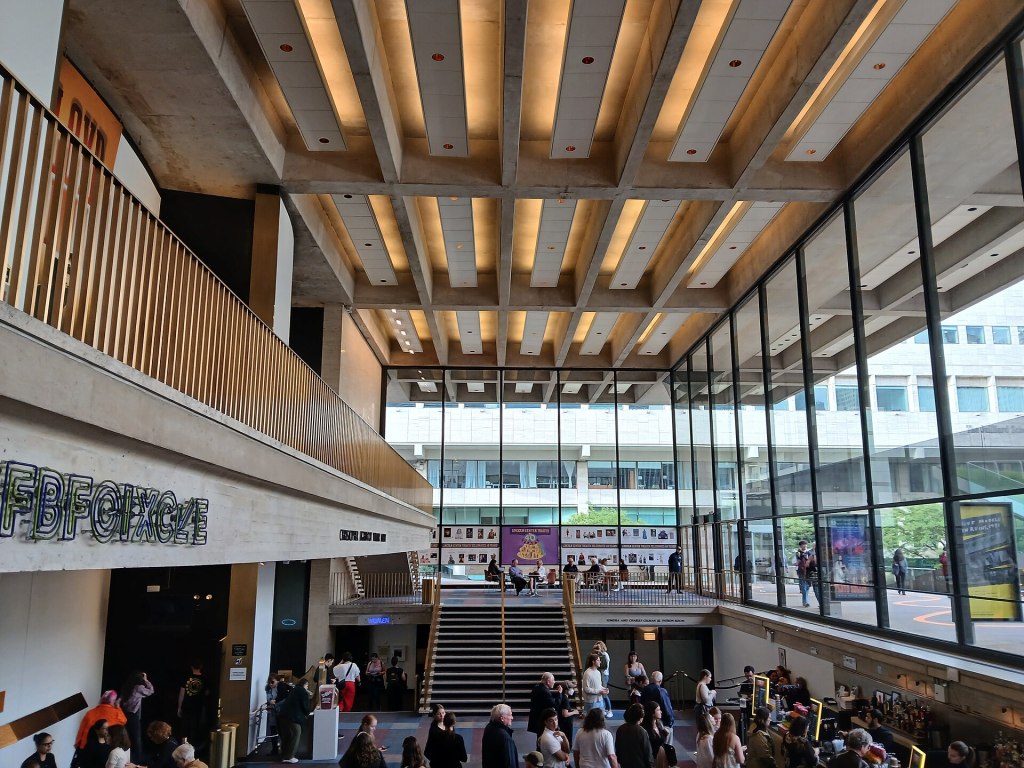
Before the critics weighed in, the preview audience had started talking. The Gotham Playgoer blog, writing on October 17 from a preview, judged that the production had “pulled it off” and that Whitford “acquits himself admirably” in a part shadowed by Jack Nicholson’s film performance. The writer described a bare, charcoal-gray stage dominated by giant flags and a tower office for Jessep. The writer found a second-act pit of steam “a bit much,” reported a running time of about two hours and forty minutes, and observed, with a regular’s candor, that he “did not spot a single person under Medicare age” in the house.
The opening-night reviews were mixed. The New York Times headlined its review “Gives Up the Fight,” and The Guardian called the production an “unwelcome return to stage.” Time Out gave it three stars. Deadline was warmer, with a headline saying Whitford and Blyth “Handle the Truth,” and The Independent wrote that Whitford and Krysta Rodriguez “shine.” Whitford’s Jessep drew the sharpest split.
That last line matters more than it sounds. Lincoln Center Theater’s subscriber base skews older, and the Beaumont, a thrust stage with more than a thousand seats, is a big house to fill for 13 weeks. Blyth’s casting is a bet that some of his film audience will follow him from the multiplex to Lincoln Center. Whitford’s is a bet that “The West Wing” generation will come to see Josh Lyman as the colonel. The reviews have had their say on whether the play holds up. The box office will tell us whether the bets paid.
What to watch for
The revival raises three questions. The first is whether Sorkin’s rewrites amount to a revision or a polish. A playwright going back into his first big success is risky, and the history of authors revising their early work is mixed. The second is whether Blyth can carry the evening. Kaffee is a long, talky role, and Tom Cruise’s screen version is hard to forget, but Blyth has the youth the part was written for. The third is the famous scene. Every audience member knows the line before it arrives, so the production has to make the moment feel dangerous rather than quotable. Arden’s best work has turned familiar material strange, and that is the skill this scene needs.
There is also a case for the play as a civic document. It is a courtroom drama in which the system, slowly and with great reluctance, works. Two young Marines are held to account. So is the colonel. It does not take a political position to find that reassuring. The audience in 1989 found it so. The run through January will show whether audiences in 2026 do too.
“A Few Good Men” runs at the Vivian Beaumont Theater, 150 West 65th Street, through January 10, 2027. Tickets are available through Lincoln Center Theater.
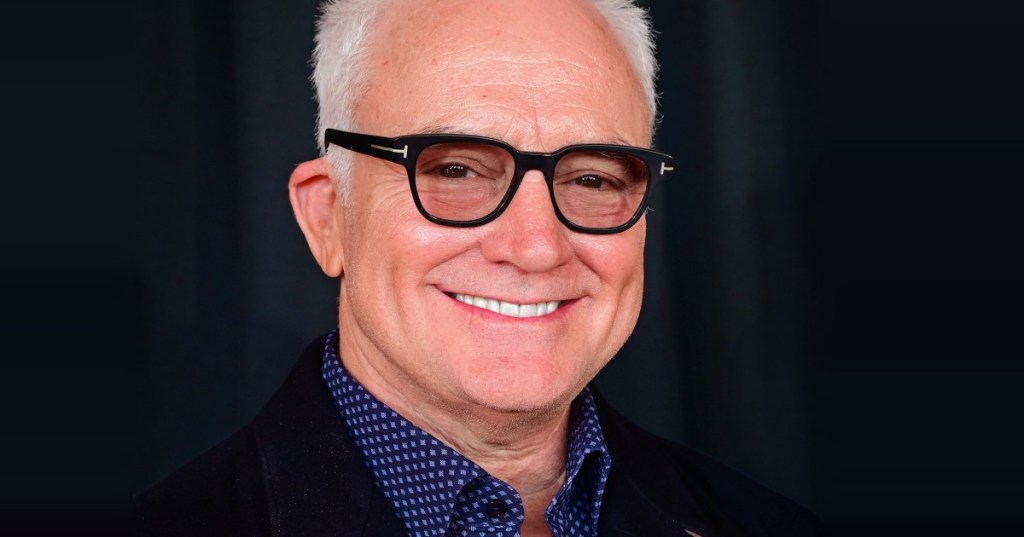
Featured image: Bradley Whitford at a press event for the Broadway revival of “A Few Good Men” on October 6, 2026. Photo by PhilipRomano via Wikimedia Commons, CC BY-SA 4.0.



Leave a Reply