
New York’s newest housing law and its oldest housing problem shared a calendar on Tuesday, Nov. 10. In the morning, Mayor Zohran Mamdani sat down at Chestnut Commons in East New York and signed the Community Opportunity to Purchase Act, the bill that gives vetted nonprofits the first crack at buying certain troubled apartment buildings. In the afternoon, in Manhattan, lenders began auctioning off 38 East Harlem buildings that his administration had spent months trying to deliver to exactly that kind of buyer.
The new law would not have applied to them. Even after it takes effect, COPA does not cover judicially supervised foreclosure sales, amNewYork reported. That gap is the right place to begin an honest account of what the city just did.
Six years, three mayors
The bill’s sponsor, Council Member Sandy Nurse of Brooklyn, summed up its history at the signing. “Six years. Six years. Four introductions. Four hearings, three mayors, two times it was passed, one time it was vetoed,” she said, according to amNewYork.
The veto belonged to Mayor Eric Adams, who rejected an earlier version in December 2025. The Council declined to override him after the city’s Law Department raised legal concerns, and the bill that came back was much smaller. Council Speaker Julie Menin said last month that the revisions cut the number of eligible buildings by nearly 80 percent, from about 10,000 to 2,100. It passed on Oct. 22 by a vote of 38 to 9, with two abstentions.
How it works
Under the law, owners of covered buildings must tell the Department of Housing Preservation and Development and qualified nonprofits when they plan to sell. The mayor’s office describes an exclusive window of 145 days. By amNewYork’s account, nonprofits get 20 days to say they are interested and 70 more to submit an offer. If an offer is rejected, the nonprofit has a right of first refusal to match any other buyer’s offer made within the following year.
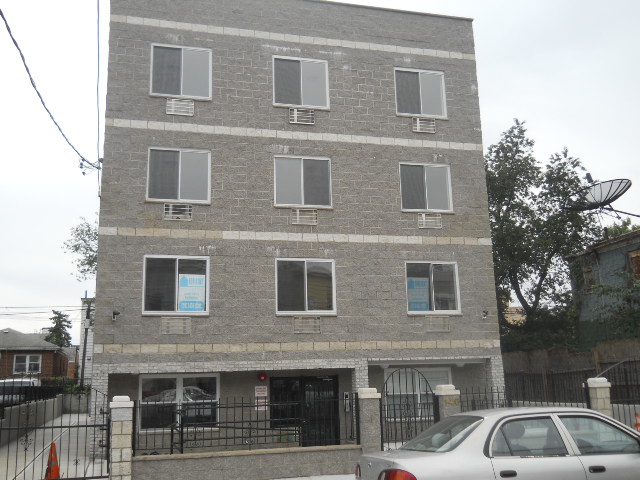
Covered buildings have at least four apartments and either serious unresolved violations, documented findings of tenant harassment, or affordability agreements overseen by HPD. Owner-occupied buildings with five or fewer units are exempt, and so are buildings whose only affordability restriction comes from the 421-a tax break. Owners can keep marketing their properties while nonprofits decide. The law does not force anyone to sell, and it does not guarantee that a nonprofit can buy.
It takes effect in November 2027. HPD will spend the year in between building a list of “qualified entities,” meaning nonprofits, tenant groups and community land trusts that can show they have the money and experience to buy and run housing.
“This law will give New Yorkers a tool to keep their homes out of the hands of predatory investors seeking to make a quick and easy buck,” Mamdani said. He was also careful not to oversell it: “We do not tell ourselves that this, in and of itself, will solve the housing crisis at its root.”
The money question
A head start is worth only as much as the money behind it. Cea Weaver, who runs the Mayor’s Office to Protect Tenants, said the administration’s budget includes more than $2 billion for affordable-housing preservation over the next two years. She did not say how much of it would go to COPA purchases, and the law does not create a dedicated acquisition fund.
Michael Johnson, executive director of the Cypress Hills Local Development Corporation, which hosted the ceremony, put the point plainly. “Opportunity alone isn’t enough,” he said. “Making preservation possible will take acquisition financing, preservation funding, and technical assistance.”
Meanwhile, on East 103rd Street
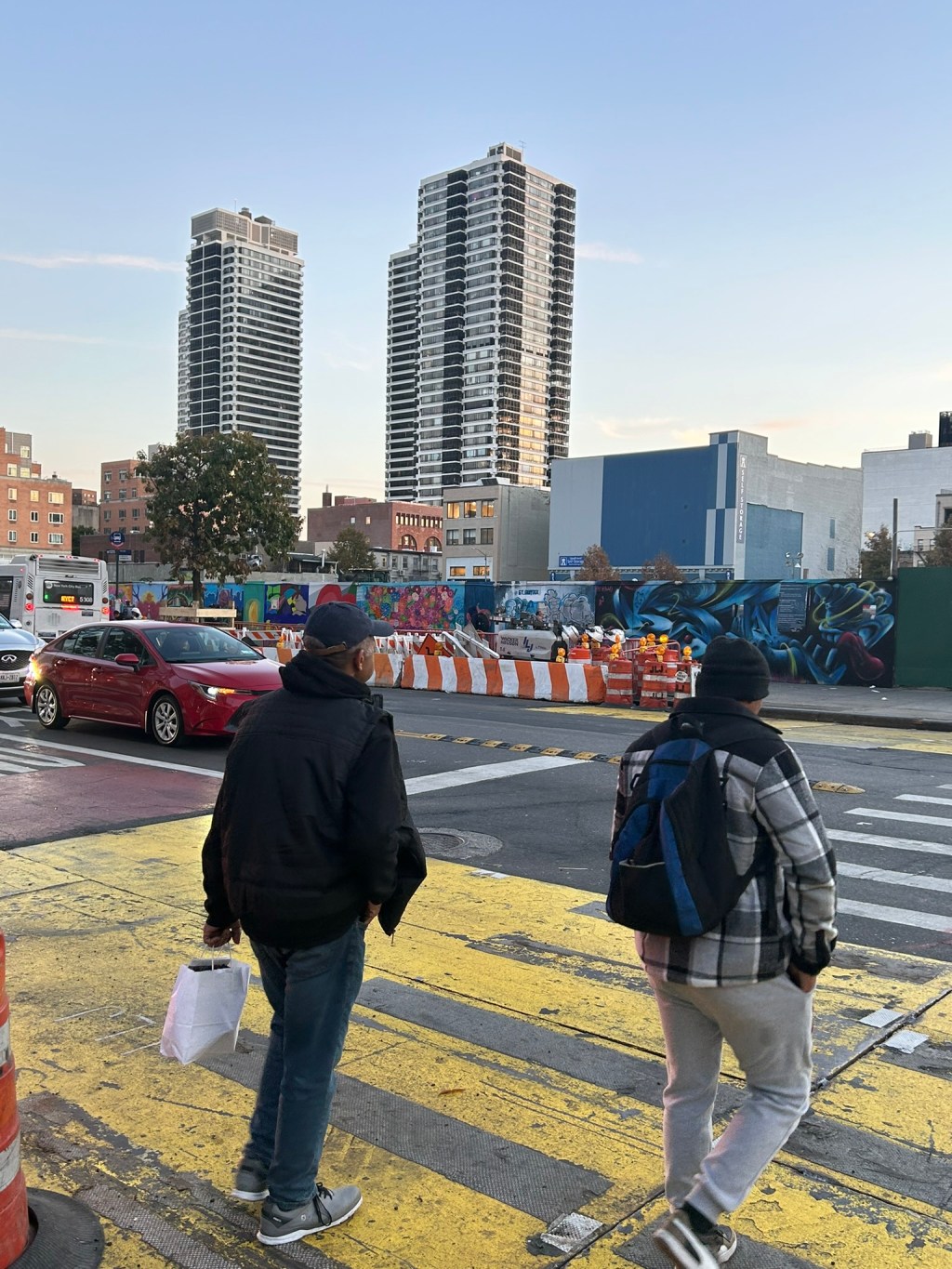
East Harlem shows why. The 38 buildings going to auction hold about 850 mostly rent-stabilized apartments and once belonged to Emerald Equities Group, a real estate investment firm now in bankruptcy, Gothamist reported. The Mamdani administration backed a bid by the affordable-housing developer Spatial Equity to buy the portfolio before the lenders, who control roughly $250 million in mortgage loans, could sell it off building by building over three auction days.
The lenders said no twice. City Limits reported in July that they rejected a $68 million bid, about a quarter of the debt. Cara Polte, co-founder of the East Harlem Tenant Union, told Gothamist they turned down a $110 million offer last month. A retaining wall behind buildings on East 103rd Street collapsed earlier this year, days before Mamdani and Weaver visited tenants there in March.
The first auction day went the way the lenders, not the tenants, had planned. Of the 15 buildings offered at the Manhattan courthouse on Nov. 10, 14 drew no outside bidder and went back to the plaintiff, U.S. Bank National Association, for nominal bids, most of them $500 apiece, Bisnow reported. The lone outside buyer paid $826,000 for 417 East 114th Street, $1,000 above the minimum bid. Another 13 buildings are scheduled for auction on Nov. 17, and no date has been set for the last 10. City Hall has insisted the fight is not over but has not said publicly how it would salvage the deal, the New York Post noted.
It is not the administration’s first loss of this kind. Hours after his inauguration, Mamdani directed city lawyers to try to block an unrelated bankruptcy sale of nearly 5,000 rent-stabilized apartments. The sale went through, though the buyer committed to fixing hundreds of violations, Gothamist noted.
The landlords’ case
The landlords’ argument deserves a full hearing, because Tuesday handed them a strong version of it. “Signing COPA into law the same day banks push 850 bankrupt rent-stabilized units to auction rather than accept an offer from a tenant-approved affordable housing developer is tragically ironic,” said Kenny Burgos, chief executive of the New York Apartment Association. “The problem isn’t who can buy these buildings; it’s the rising expenses, two-year rent freeze, and tens of thousands of annual rent-stabilized vacancies driving properties toward financial collapse.”
The numbers give him something to point to. About 1,600 buildings with rent-stabilized apartments are in financial distress, with expenses outrunning rents, according to Rent Guidelines Board data cited by Gothamist. A law that changes who buys a failing building does not change why it is failing. Industry groups, including the Real Estate Board of New York, argued during the fight over the bill that it would slow sales and deter investment, and that caution has a price in the very buildings the law is meant to save.
Supporters answer that the failure is in ownership, not just in arithmetic. Their case is that buildings passed from one leveraged owner to the next decay faster, and that a mission-driven buyer with patient money can stop that churn. Debra Ack of the East New York Community Land Trust pointed to the trust’s 2024 purchase of a 20-unit rent-stabilized building at 248 Arlington Avenue, which is being renovated and is expected to become a tenant-owned co-op on land the trust keeps.
What to watch
Three things will decide whether COPA matters. First, the list: how many nonprofits HPD certifies, and how fast. Second, the money: whether the preservation budget includes acquisition dollars that move at market speed. Third, East Harlem: who ends up owning those 38 buildings, and whether the city’s code enforcement, which Weaver says is not finished with them, follows them to their new owners.
Featured image: Council Member Sandy Nurse of Brooklyn, who sponsored the Community Opportunity to Purchase Act. Photo by Sandranurse via Wikimedia Commons, CC BY-SA 4.0.





Leave a Reply