
A year ago, New York Democrats had an argument that sounded like self-defense. Republican legislatures in Texas, North Carolina and elsewhere were redrawing congressional districts in the middle of the decade, with President Trump’s encouragement, and New York’s constitution forbade the state from answering in kind. So Albany started the slow process of changing the constitution.
Then came Nov. 3. Democrats took control of the House without any help from a new New York map, and the redrawn Republican districts elsewhere either backfired or did not matter. On Tuesday, Nov. 10, Gov. Kathy Hochul was asked whether the amendment still made sense. Her answer was that it might.
“There’s always another election”
“Those newly drawn lines [in other states] are still there,” Hochul told reporters at her Manhattan office, Gothamist reported. “And while it didn’t have an effect on this year’s election, there’s always another election every two years.” She added: “You can’t assume that there’s going to be the same outcomes every two years, and so I want to look at it long-term.”
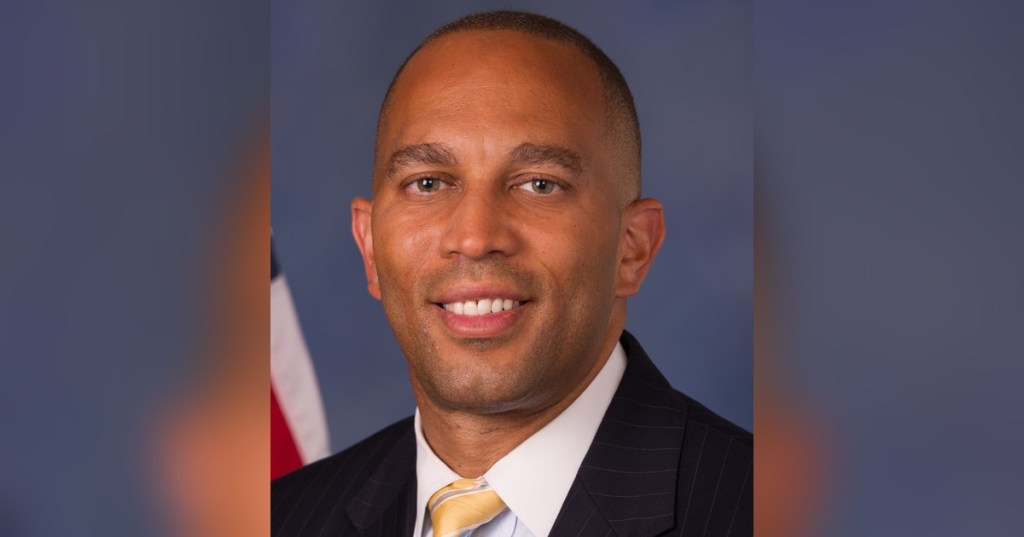
She also acknowledged that the “political landscape has changed,” and said she would take that into account. “I’m going to talk to Leader Jeffries, and I’m going to talk to the two [state] legislative leaders about where we want to go with this.” Rep. Hakeem Jeffries of Brooklyn, the likely next speaker of the House, has backed the effort.
What the amendment does
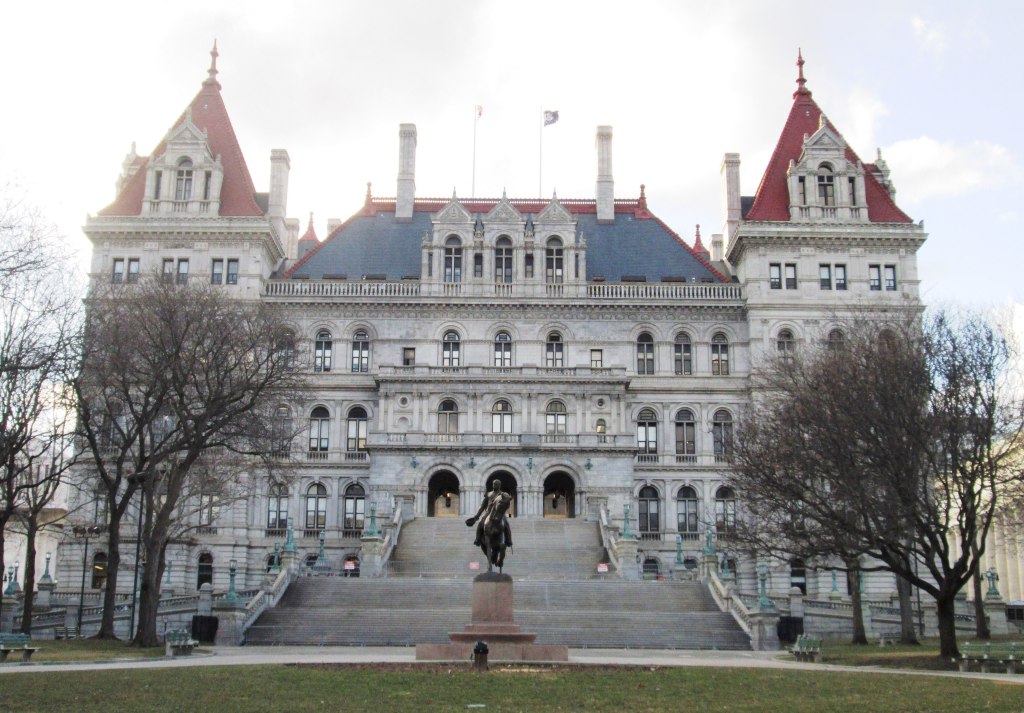
New York’s current rules come from a 2014 constitutional amendment. A bipartisan commission draws congressional lines after each census, and the Legislature gives final approval. The constitution does not allow redistricting between censuses, and it bans drawing lines to favor a party or candidate.
In June, lawmakers gave first passage to an amendment that would change all of that. It would allow mid-decade redistricting, remove the ban on partisan gerrymandering and make it easier for the Legislature to change maps on its own. Because amendments must pass two consecutively elected legislatures, the new Legislature has to approve it again in 2027. Voters could then decide it in a referendum as early as November 2027, in time for new lines in 2028.
The Democrats who will cast that second vote will have more power than ever. They won at least 47 of 63 state Senate seats and at least 111 of 150 Assembly seats, WXXI reported. That is a two-thirds supermajority in both chambers. The governor has no formal role in the amendment at all.
Democrats, recalculating
The newly cautious voices are Democratic ones. State Sen. Shelley Mayer of Yonkers, who ran the Senate Democrats’ campaign arm, called it “premature” to say whether lawmakers will take the amendment up again. “I do think it’s clear that the efforts that Republicans [in other states] made were a fool’s errand, because we won many of the seats that they sought to redistrict to their advantage,” she told Gothamist. “That being said, there’s a lot in this amendment that we should review that goes beyond mid-Census redistricting, and I think we need to have a thoughtful conversation about it.”
Assembly Member Charles Lavine, who carries the legislation, told Politico that the question “will certainly be the subject of serious discussion in the Assembly Democratic conference.” Rep. Joseph Morelle of Rochester, Jeffries’ point man on New York redistricting, said he will urge lawmakers to keep going.
The Republican case
The Republican objection deserves to be stated at full strength, because it rests on the voters’ own record. Former Rep. John Faso, a Hudson Valley Republican who has helped fight the effort, told Gothamist that Democrats would be making a “big mistake.”
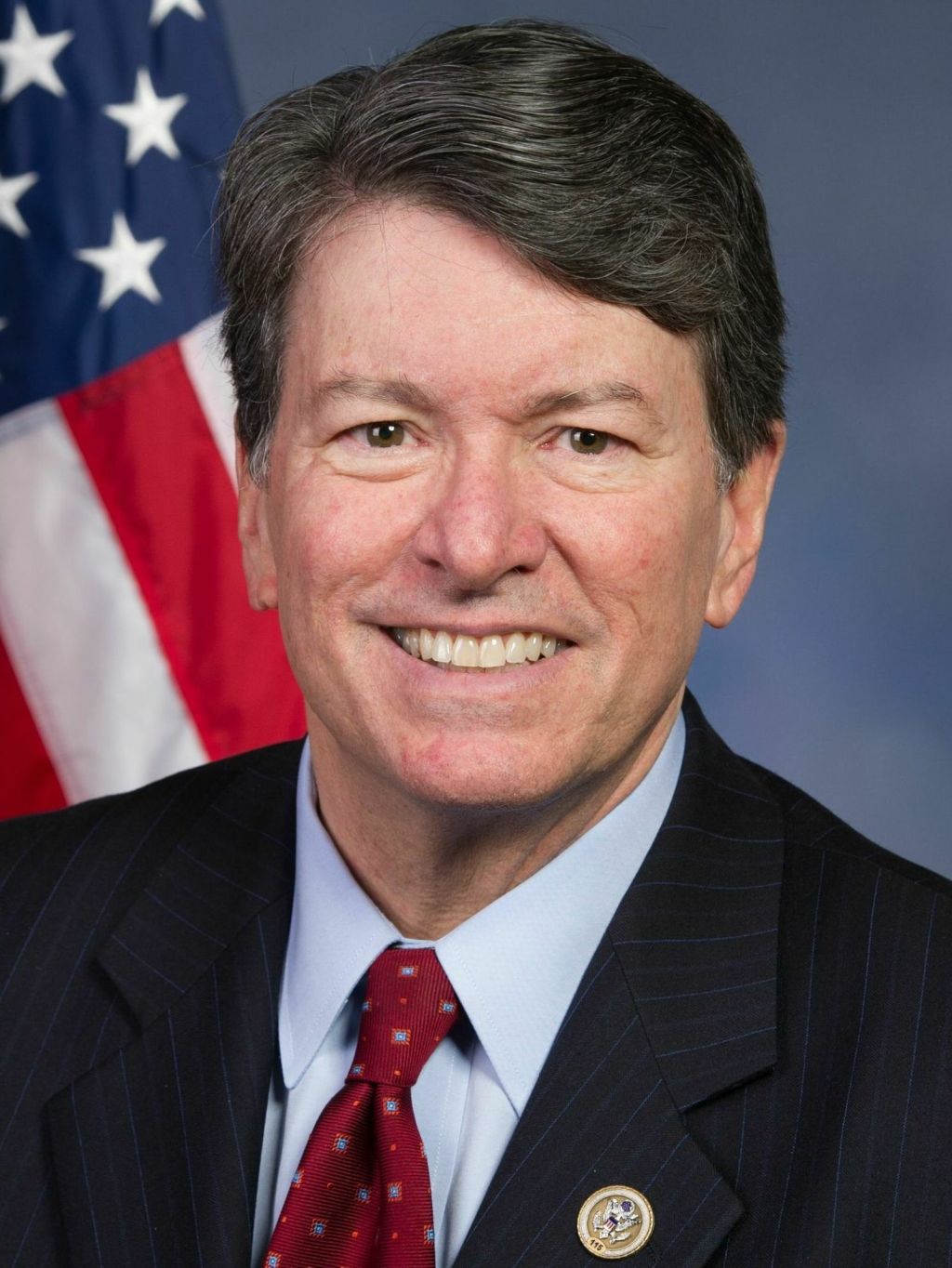
Faso noted that voters created the current commission system in 2014, and that they rejected a Democratic attempt to change it in 2021. In 2022, the state Court of Appeals threw out a Democratic-drawn map for violating the anti-gerrymandering clause. “It’s a terrible affront to the voters of our state,” he said of the new amendment. “It basically is attempting to rig the districts to benefit one party over the other, and I don’t think the voters will go for it.”
There is a fair version of a second argument too. The Democratic case was always that New York should not disarm alone while Republican states redrew their maps. A party that has just won the House without disarming anyone has a harder time making that case. And the amendment does more than allow a one-time response. It repeals the ban on partisan line-drawing, a protection that would outlast whichever party drew the next map.
The Democratic case
Supporters have an answer, and it is not frivolous. The Republican-drawn districts in Texas and North Carolina remain in place for the rest of the decade. A wave year can hide a structural disadvantage that will show up in an ordinary one. Hochul’s point is about 2028 and 2030, not 2026.
The courts are part of the backdrop. In March, the U.S. Supreme Court halted a lower-court order that would have required redrawing New York’s 11th District, which covers Staten Island and part of southern Brooklyn, after a Democratic-led lawsuit argued that the district diluted Black and Hispanic voters. Rep. Nicole Malliotakis, the Republican who holds the seat, won re-election last week.
What to watch
The tell will come in January, when the new Legislature convenes with its supermajorities. If the leaders schedule a second vote early, the referendum is on track for November 2027. If the amendment drifts into the spring, it will be a sign that the wave changed more minds in Albany than the governor’s careful words suggested on Tuesday. Either way, the final word belongs to the voters, who have said no to this kind of change once before.
Featured image: Gov. Kathy Hochul, who says she remains open to a constitutional amendment allowing mid-decade redistricting (2017 portrait as lieutenant governor). Photo by KC Kratt via Wikimedia Commons, CC BY-SA 4.0.




Leave a Reply