Most frauds take money from people who can afford to lose some. This one, prosecutors say, took grocery money from people who could not. According to an indictment announced on Oct. 29 by Manhattan District Attorney Alvin L. Bragg Jr. and Department of Investigation Commissioner Nadia I. Shihata, the scheme worked like this: wait for the state to load the month’s food benefits onto a family’s card, then empty it within minutes, before the family reached the checkout.
Eight people are charged in a New York State Supreme Court indictment with conspiracy in the fourth degree and with various counts of grand larceny and identity theft, according to the district attorney’s announcement. Prosecutors say the group stole more than $7 million from the Supplemental Nutrition Assistance Program between April 2023 and September 2025. The defendants are accused, not convicted, and each is presumed innocent.
How it allegedly worked
The method the district attorney describes is simple. The conspirators allegedly opened merchant processing accounts and obtained point-of-sale terminals in the names of “existing or fictitious delis.” They stole EBT account numbers and PINs, “largely obtained using card skimmers,” and used them to clone benefit cards. Then they watched for deposits.
“They tracked when benefits funds would be loaded onto those compromised accounts, then swiped the cards almost immediately after the funds were loaded, often swiping until the accounts were drained,” the office said. “In several cases, the legitimate owners of the cards attempted to use their cards the day the funds were loaded onto the account, only to find their accounts drained.”
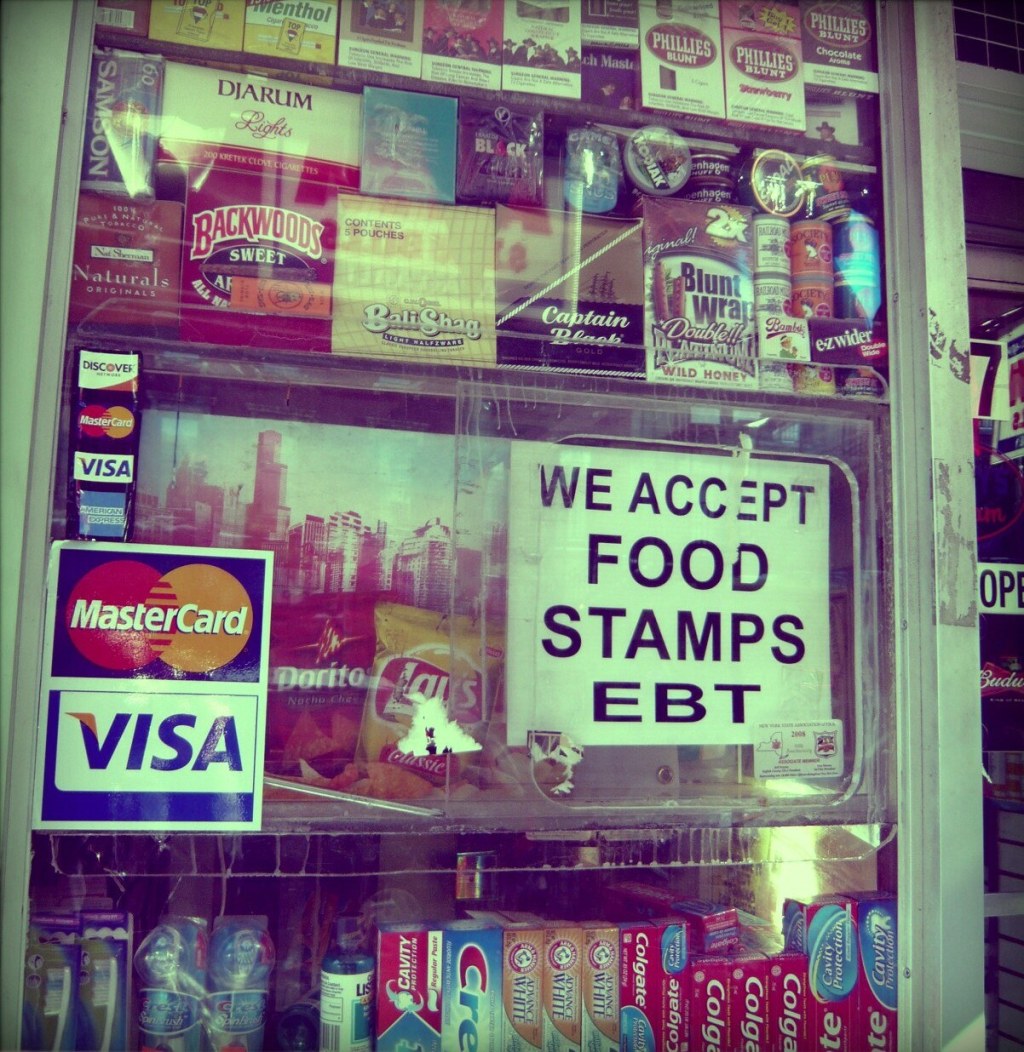
Prosecutors call Belal Hauter, 34, the leader. They say he opened, or directed others to open, merchant accounts in the names of delis, bodegas and grocery stores, including a deli where several defendants worked, and connected them to bank accounts the group controlled. Gregory Fabiani, 46, and Abdulla Aezah, 35, allegedly helped open the accounts and provided “technical back-end support” for the accounts and terminals. Milton Rios, 53, and Yvette Rivera, 58, allegedly opened more merchant and bank accounts. According to the office, other members ran the terminals and conducted “thousands of transactions.”
The office says evidence seized under a court-authorized warrant shows the operation working as “essentially a fraud factory from the back room of a Yonkers deli and from hotels,” with terminals, strings of receipts and dozens of cloned cards. Prosecutors allege the proceeds bought “multiple luxury vehicles” and that tens of thousands of dollars were sent “to Yemen and elsewhere internationally.”
The officials’ case
“SNAP and EBT fraud harms New Yorkers in need of assistance and the New Yorkers whose tax dollars fund these essential programs,” Bragg said. “The defendants allegedly tracked the timing of benefit funds and drained accounts before the legitimate SNAP recipient could buy food and other necessities.”
Shihata spoke to the policy question. In 2025, she noted, DOI published a report on this kind of fraud, “fully supporting the critical move to more secure chip-enabled EBT cards, which New York State will roll out in the first quarter of 2027.”
That date is the uncomfortable part of the story. The United States was among the last major economies to put chips in credit cards, and benefit cards have lagged further still. Magnetic-stripe EBT cards can be copied by any skimmer fixed to a bodega terminal. Replacement of stolen benefits has been slow and uneven. The district attorney’s office says that in this case many “never received reimbursement for the stolen benefits.”
Victims, and an unusual thank-you
The case affected thousands of people, according to prosecutors. The office thanked Grand Street Settlement and the office of Council Member Christopher Marte, whose district includes Chinatown and the Lower East Side, for help reaching victims.
The prosecution is handled by Assistant District Attorneys Luis Morales and Dennis Dillon and by Kofi Sansculotte, chief of the Financial Frauds Bureau. At DOI, the release credits Special Investigator Jessica Rivas, among others, with conducting the investigation.
What to watch
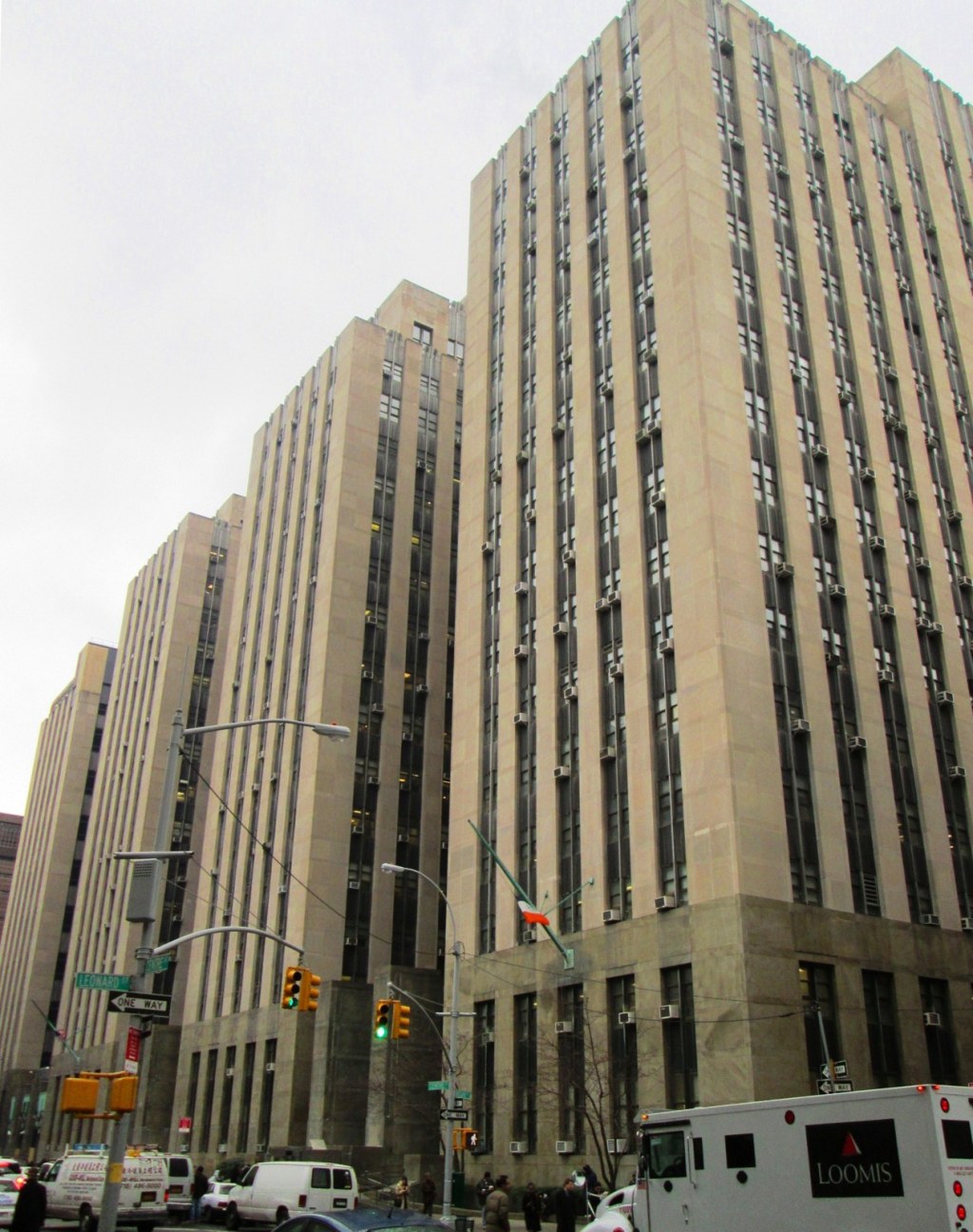
The case will move through Manhattan Supreme Court, where the defendants can contest the charges. The release names only five of the eight defendants. Prosecutors will have to prove the dollar figure, the deli accounts and the movement of the money one transaction at a time. Fraud cases built on financial records often end in plea negotiations, but nothing in the file so far indicates how this one will go.
For the people who found their cards empty at the register, the chip cards arriving in early 2027 will be what matters most.
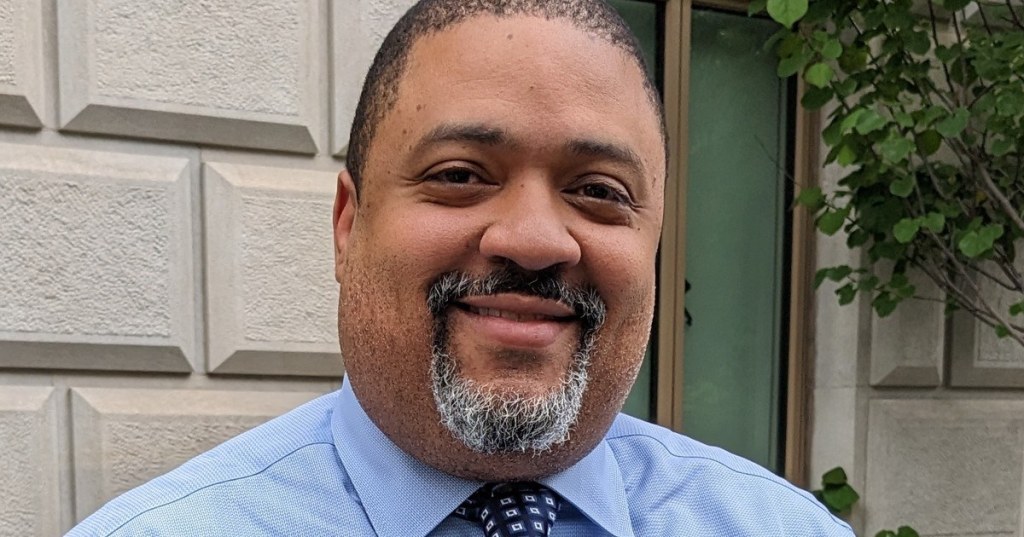
Featured image: Manhattan District Attorney Alvin L. Bragg Jr., 2023. Photo by CmdrDan via Wikimedia Commons, CC BY-SA 4.0.







Leave a Reply