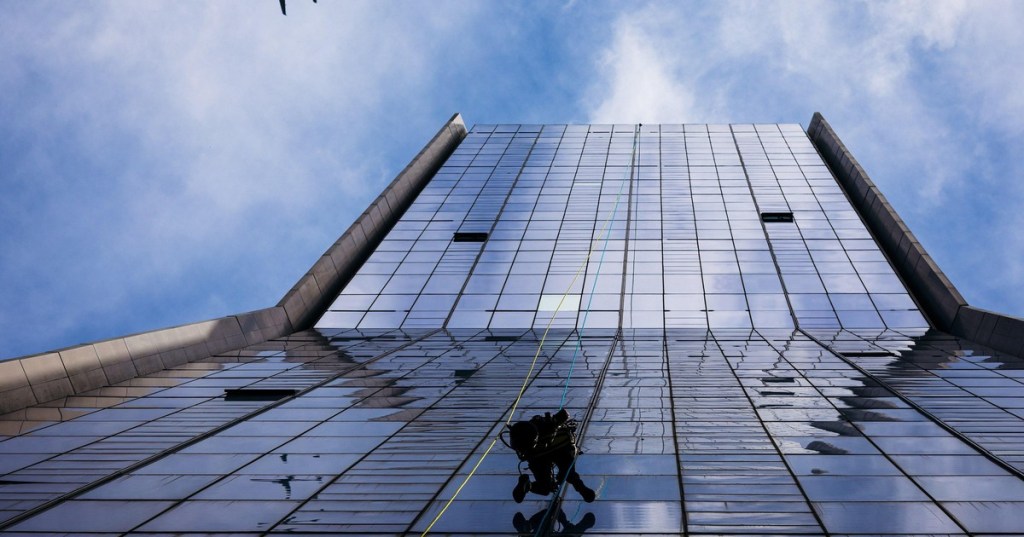
There are two ways to find out whether the stone on a 90-year-old skyscraper is about to come loose. One is to wrap the block in pipe scaffolding and plywood, wait, and watch the pigeons move in. The other is to send someone over the parapet on a rope with a mallet.
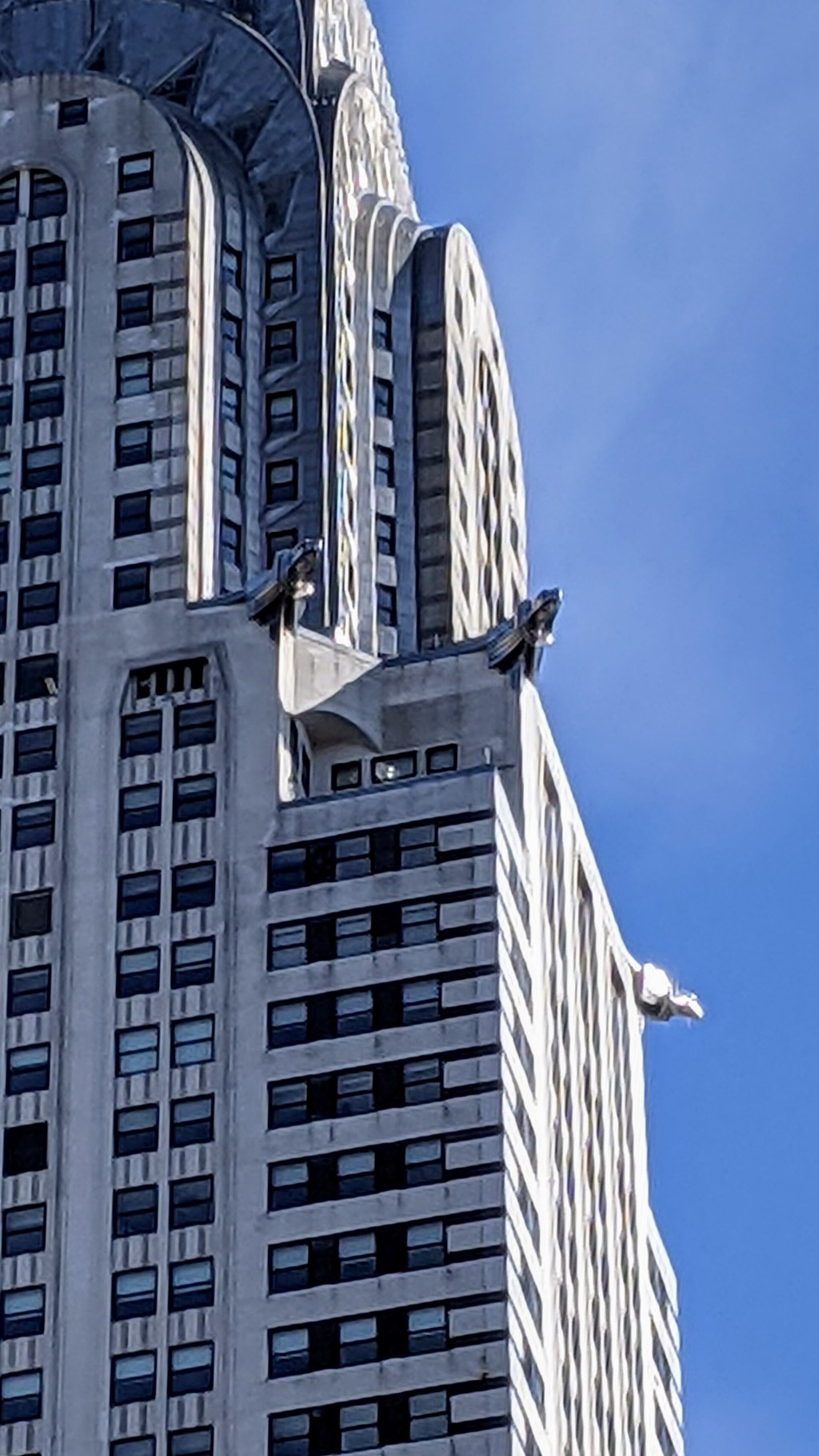
Kent Diebolt, Cornell University Class of 1982, and Evan Kopelson, Class of 1994, have built a business on the second option. Their company, Vertical Access, uses industrial rope access, the techniques of the climbing world adapted for the building trades, to inspect the places on historic buildings that nobody else can comfortably reach. A profile in Cornellians, the university’s alumni magazine, published in late September, lists a portfolio that reads like a postcard rack: the U.S. Capitol, Philadelphia City Hall, the Massachusetts and Nebraska state capitols, Charleston’s Ravenel Bridge, and, closer to the hearts of this publication’s readers, the Chrysler Building and Saint Thomas Church Fifth Avenue.
“It’s a little bit like your annual physical,” Diebolt told the magazine. “Buildings should be looked at periodically.”
The business model: neutral, and on a rope
The firm’s pitch is speed and discretion. Rope access, the partners told Cornellians, is quicker to set up than scaffolding and less disruptive to the people and traffic below, and it spares a landmark the indignity of disappearing under a pipe frame for months. Technicians photograph and document damage, measure cracks, spray water to trace the path of a leak and tap the masonry with a mallet, listening for the hollow note that means trouble beneath the surface. Everything goes into a report that architects and engineers use to plan repairs.
What Vertical Access does not do is the repair itself. That separation is deliberate. “We decided that we really couldn’t wear both hats,” Diebolt said in the profile. “We don’t have a dog in that fight, because we’re being objective about what we’re finding.” In a trade where the inspector who finds the problem is often the contractor who bills to fix it, that is a business decision as much as an ethical one, and it is the kind of thing a building owner facing a six-figure facade job tends to appreciate.
The company’s own site lays out a broader menu: existing-conditions documentation, drone surveys, non-destructive testing, live-feed video and 3D scanning. It also keeps a New York office at 32 Old Slip in the Financial District, alongside its Ithaca headquarters and outposts in Washington and Salt Lake City. On its facade-ordinance page, the firm says it holds two special rigger licenses from the New York City Department of Buildings and that partner Kelly Streeter, a professional engineer, is a registered Qualified Exterior Wall Inspector, the credential New York requires to sign off on facade reports.
Why New York matters right now
That credential is the key to a very large market. Under the city’s Facade Inspection and Safety Program, the regime most New Yorkers still call Local Law 11, owners of buildings taller than six stories must have their exterior walls inspected every five years and file a technical report with the Department of Buildings. Unsafe conditions must be repaired within 90 days of filing.
The trouble, as anyone who has walked Midtown knows, is what happens in between. When an inspection finds a hazard, up goes a sidewalk shed, and too many of them never come down. In August, Mayor Zohran Mamdani and Buildings Commissioner Ahmed Tigani announced final rules that require shed permits to be renewed every 90 days instead of annually, with each renewal accompanied by a report on repair progress. After 180 days, owners who leave sheds up with no active work face graduated monthly penalties, which the department expects to begin imposing in early 2027. As of Aug. 17, the city counted 7,427 permitted sheds, more than 1,000 fewer than a year earlier.
The administration has also floated six new shed designs, developed by Arup and the Practice for Architecture and Urbanism, meant to let in more light. Critics of the city’s approach, including many property owners, have long argued that the five-year inspection cycle itself drives unnecessary sheds and costs, and the Buildings Department’s own study with Thornton Tomasetti, launched in 2024, was designed to test whether the rules could be modernized without compromising safety. Owners have a point: a shed that stays up for years is a cost with no repair attached.
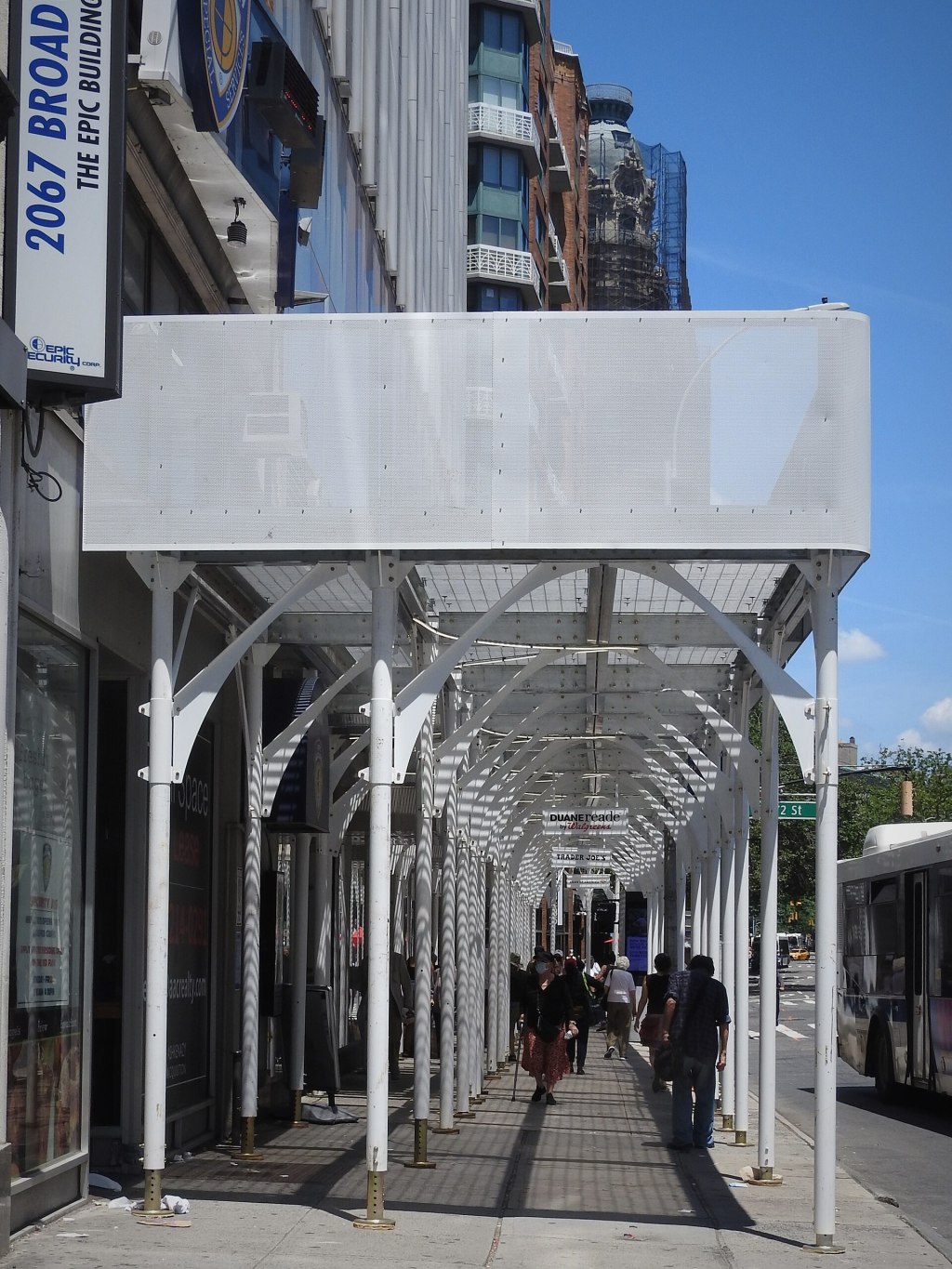
For a firm whose entire proposition is getting eyes on a facade quickly, precisely and without a forest of pipe, a city that suddenly cares how long its sheds stay up is a city whose clients have new reasons to move fast. The more precisely a problem is diagnosed, the more narrowly the repair can be scoped, and the sooner the plywood goes away.
From nursery management to Guastavino tile
Neither partner took the obvious route. Diebolt majored in nursery management in Cornell’s College of Agriculture and Life Sciences. “I’m not doing anything in my business today that has to do with horticulture,” he told Cornellians, “other than that I can tell you what plants are growing out of your gutters.” He was running a construction business in Ithaca when a job on a steep roof led him to hire a rock climber to rig fall protection. Intrigued, he spent a couple of weeks with a rope-access crew in England and founded Vertical Access in 1992.
Kopelson majored in classical civilization and archaeology in the College of Arts and Sciences, then earned a master’s in historic preservation from Penn and worked for preservation firms in New York and the Bay Area before joining the firm more than 20 years ago. The partnership began, the magazine notes, with that same steep-roofed house: it belonged to Kopelson’s future in-laws.
The firm has also built a scholarly niche around the vaulted tile ceilings of Rafael Guastavino, the Valencian builder whose thin-shell domes and vaults adorn some of New York’s great public rooms. Diebolt chaired the program committee for a February 1999 symposium on preserving Guastavino tile at Columbia University and organized a hands-on Guastavino vault workshop in New York in 2013, according to the company.
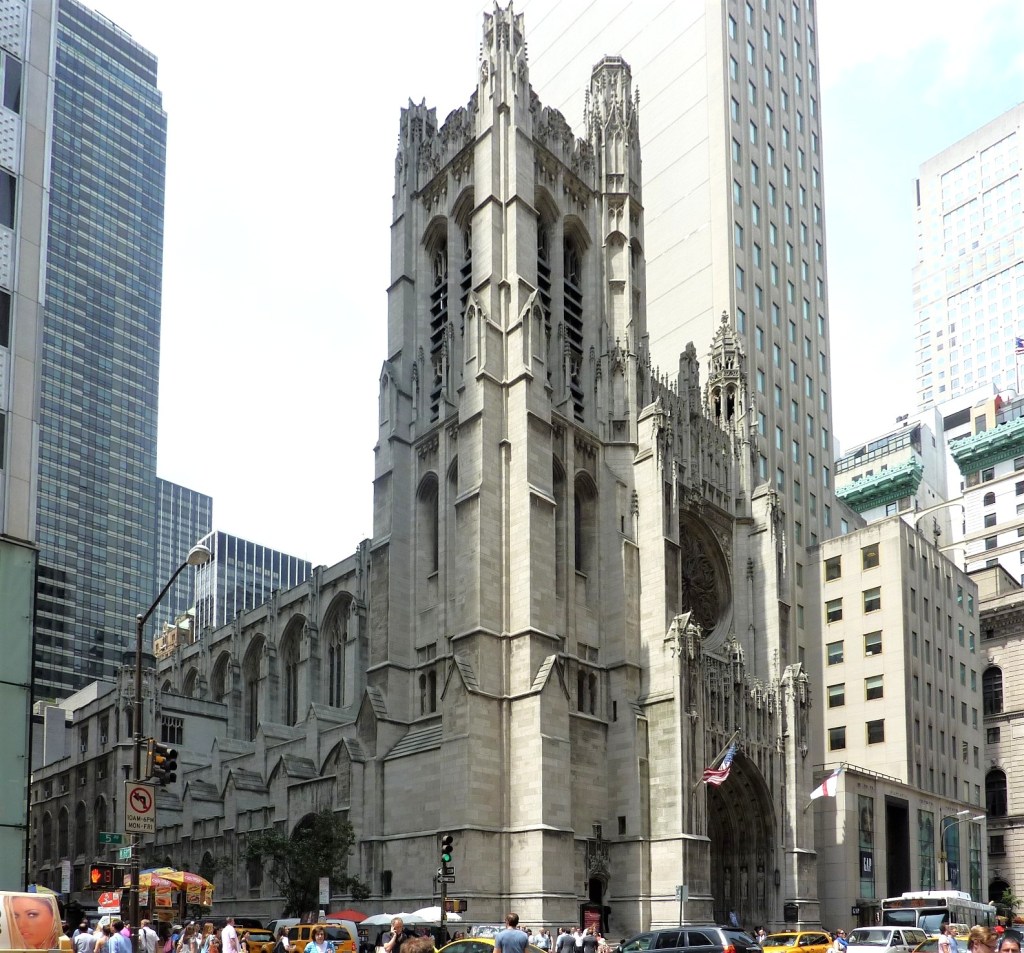
“Our historic buildings are important for a number of reasons,” Kopelson told Cornellians. “One is because of the stories that they tell.”
It is a fine line for a man who spends his working days hanging from one. As for the view, Diebolt insists he barely notices it. “We all have what I call a rational fear of heights,” he said. “You can’t forget where you are and what you’re doing.”
Featured image: A façade technician on rope access inspects the east elevation of The Copper’s west tower in Manhattan. Photo: Tessa Bury via Wikimedia Commons, CC BY 4.0.




Leave a Reply