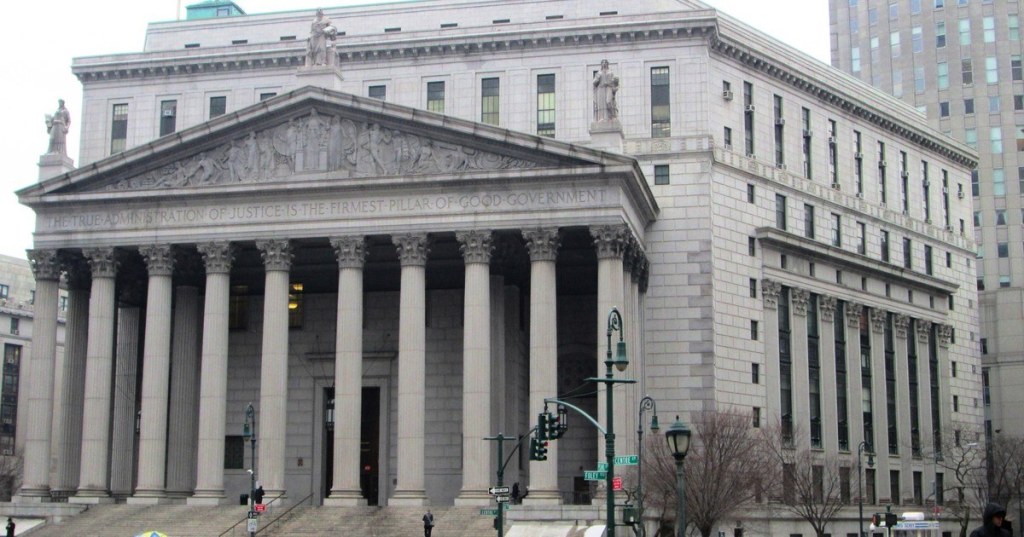
Kalshi, the prediction market whose customers can bet on almost anything, or trade event contracts on it, as Kalshi would put it, now has a court date in Manhattan on Dec. 14 at 10 a.m.
On Thursday, Oct. 29, Justice Sabrina B. Kraus of New York County Supreme Court signed an order to show cause in New York State Gaming Commission v. Kalshi Inc. and KalshiEX LLC, Index No. 454547/2026. The order directs the two companies to appear and explain why they should not be compelled to comply with investigative subpoenas the Gaming Commission issued on July 31. Prediction Frontier reviewed the signed order, filed as NYSCEF Document 22. It set a Nov. 6 deadline for service, Dec. 7 for Kalshi’s opposition papers and Dec. 11 for the commission’s reply. The hearing will be held in IAS Part 57, Room 218, at 60 Centre Street.
The order does not yet compel anything. It does not require Kalshi to produce documents, impose penalties or decide whether Kalshi’s contracts break New York law. It only schedules the hearing. If the commission wins, it is asking that production follow within 10 days of a later compliance order.
What the state wants
Attorney General Letitia James‘s office represents the commission. Its petition was received by the court on Oct. 22. According to reporting by Casinopedia and RG.org, the subpoenas, issued under the state’s Racing, Pari-Mutuel Wagering and Breeding Law, ask for records on Kalshi’s sports event contracts, its offerings to New Yorkers younger than 21, advertising that describes its products as wagers or bets, and its ownership and corporate structure. The return date was Aug. 14. The commission alleges that Kalshi refused some requests and gave inadequate answers to others.

The petition does not understate its case. According to RG.org, it accuses Kalshi of having “operated a massive enterprise in New York designed to enable individuals to place wagers,” and warns that the commission will be “irreparably harmed if Kalshi is permitted to defy the lawfully issued Subpoenas.” The under-21 request matters. New York’s legal age for sports wagering is 21, while federally regulated exchanges generally open accounts at 18.
What Kalshi says
Kalshi’s response, in its strongest form, is that the state has no say over this business at all. Its contracts, it maintains, are swaps listed on an exchange regulated by the Commodity Futures Trading Commission under the Commodity Exchange Act, and federal law leaves no room for state gaming regulators to license, police or investigate them. According to SBC Americas reporting summarized by Prediction Frontier, the company has argued that the state’s gaming-age rules do not apply to a federally regulated exchange and has raised confidentiality concerns about disclosing its ownership. The CFTC itself sued New York in federal court in Manhattan in April, arguing that the state cannot regulate these contracts. New York is resisting that case and Kalshi’s related appeal in the Second Circuit.
That makes the Dec. 14 hearing a records dispute within a much larger fight over federal preemption. Justice Kraus must decide whether a state regulator can obtain information. Whether the state can shut the business down is a question for other courts.
The view from One First Street
The larger case is heading to Washington. In Flaherty v. KalshiEX LLC, No. 26-299, New Jersey has asked the U.S. Supreme Court to decide whether Kalshi’s sports contracts are federally regulated swaps or state-regulated wagers. The U.S. Court of Appeals for the Third Circuit ruled for Kalshi in April. The Ninth Circuit ruled against it in a Nevada case in August. Casinopedia reports that Kalshi has hired former Solicitor General Paul Clement, who argued the losing side of Murphy v. NCAA, the 2018 decision that opened the way to legal state sports betting. Clement has asked to move Kalshi’s response deadline from Nov. 9 to Dec. 7, which would probably push the justices’ first look at the petition to late December.
The gaming lawyer Daniel Wallach, who has followed each filing closely, posted the Kraus order on Oct. 29. His running commentary is a useful guide for anyone trying to follow the many state cases.
The rest of the week
New York’s petition was only one item in a busy week for Kalshi. According to Prediction Frontier and Casinopedia, Utah brought criminal charges against the company and its co-founders; those are accusations, not findings, and the defendants are presumed innocent. Kalshi also sued Missouri, and it reportedly raised money at a $40 billion valuation. In Illinois, a court blocked enforcement of the state’s gambling law against event contracts.
None of that resolves the question Justice Kraus faces. The issue at 60 Centre Street is not whether Kalshi is a casino or an exchange. It is whether a company that says it answers only to Washington must still answer a subpoena from Albany. Kalshi’s papers are due Dec. 7.
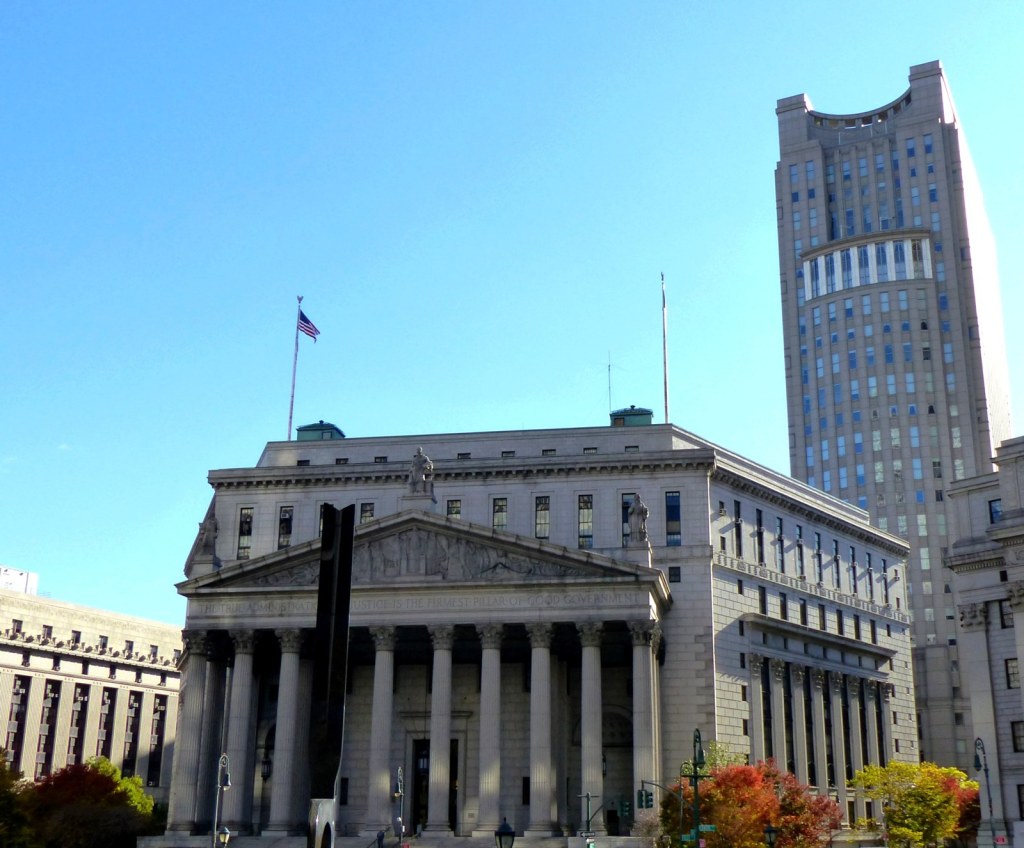
Featured image: The New York State Supreme Court courthouse at 60 Centre Street on Foley Square. Photo by Beyond My Ken via Wikimedia Commons, CC BY-SA 4.0.





Leave a Reply