
For six years, the question of whether New York City could tell landlords that they may never collect on certain personal guaranties signed by small-business owners has bounced between courts. On Oct. 20, a state appeals court in Manhattan gave the city its clearest win yet.
In 513 W. 26th Realty LLC v. George Billis Galleries, Inc., 2026 NY Slip Op 06058, the Appellate Division, First Department, ruled 4-1 that the city’s so-called guaranty law does not violate the Contracts Clause of the U.S. Constitution. The court reversed a December 2024 order by Justice Paul A. Goetz of State Supreme Court in Manhattan, who had held the law unconstitutional, and granted the motions of the gallery’s owner and the city to dismiss the landlord’s claims against them. The case is Index No. 160266/20, Appeal No. 5735.
Justice Rosado wrote for the majority, joined by Justices Moulton, Higgitt and O’Neill Levy. Justice David Friedman dissented.
The law
The City Council passed the guaranty law, Local Law 55 of 2020, sponsored by then-Council Member Carlina Rivera, in May 2020, as the first wave of the pandemic shut down restaurants, shops and galleries. Codified at Section 22-1005 of the city’s Administrative Code and later extended by Local Laws 98 of 2020 and 50 of 2021, it made personal guaranties unenforceable for rent and other charges that came due between March 7, 2020, and June 30, 2021, if the tenant business had been ordered closed or restricted under Gov. Andrew M. Cuomo’s executive orders.
Commercial leases in New York often require an owner or principal to sign a personal guaranty. A “good guy” guaranty, common in Manhattan, limits that exposure: the guarantor is liable only until the tenant hands back the keys. The law’s sponsors argued that holding owners personally liable for rent during government-ordered closures would push them into personal bankruptcy and discourage them from reopening.
The dispute
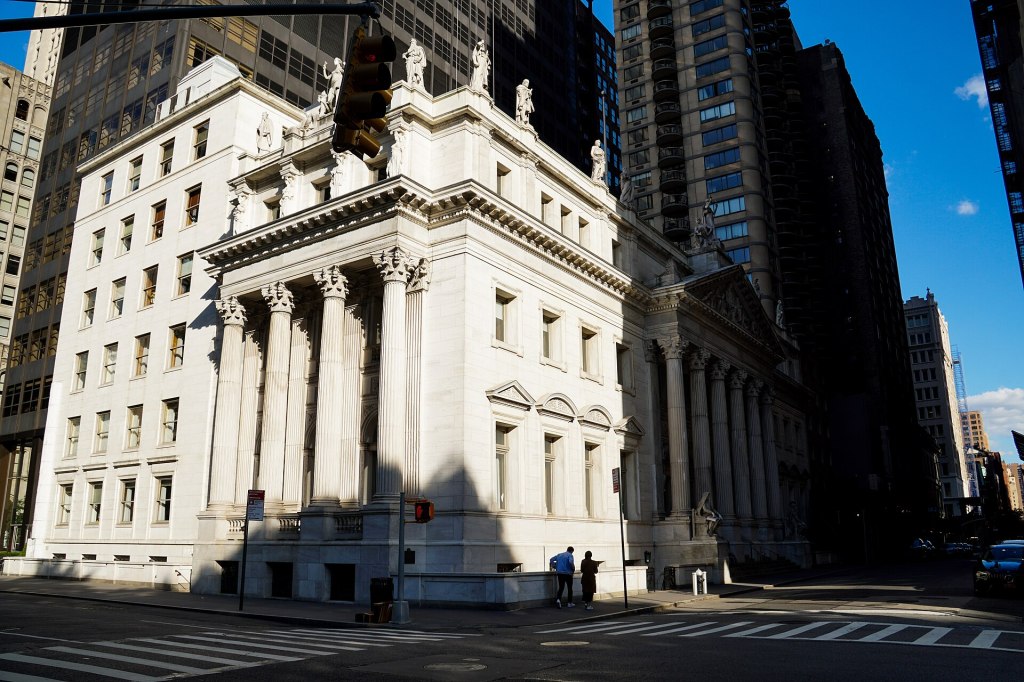
George Billis Galleries leased space at 527 W. 26th St. in Chelsea in 2015 on a 10-year term, with its owner signing a good guy guaranty. According to the decision, the gallery returned the keys on Dec. 7, 2020. The landlord sued the gallery and its owner; the owner invoked the guaranty law, and the city became a party to defend it.
Justice Goetz sided with the landlord on the constitutional question, and the gallery owner and the city appealed.
The majority
The Contracts Clause bars states from passing laws “impairing the Obligation of Contracts,” but courts have long allowed substantial impairments when a law is a reasonable and appropriate means to a significant and legitimate public purpose. The majority found that the guaranty law met that test.
“We make no judgment as to the wisdom of the guaranty law,” Justice Rosado wrote. But the court said the Council had acted on a record, not guesswork: “The Guaranty Law was not constructed on assumptions, but on extensive testimony and evidence.” The majority relied in part on the Second Circuit’s 2006 decision in Buffalo Teachers Federation v. Tobe, which upheld a wage freeze imposed during a fiscal emergency, and noted that landlords are generally shielded from personal liability themselves because they typically hold buildings through limited liability companies.
The dissent
Justice Friedman saw it differently. In his view, the law permanently wiped out a bargained-for right rather than deferring it, when a deferral would have served the city’s stated goal of keeping businesses alive. He noted that the law did not require guarantors to show financial need and provided no compensation to landlords, who, he wrote, “are also frequently small businesses.” He relied on the Supreme Court’s 1978 decision in Allied Structural Steel Co. v. Spannaus, which struck down a Minnesota pension law as an unconstitutional impairment.
A long federal detour
The ruling comes after years of federal litigation over the same law in Melendez v. City of New York. A federal district judge in Manhattan upheld the law in 2020. In 2021 the Second Circuit reversed, saying the landlords had stated a plausible Contracts Clause claim. On remand, the district court struck the law down in 2023. In 2024 the Second Circuit vacated that judgment, concluding that the plaintiffs lacked standing, which left no binding ruling on the merits.
That gap is what made the First Department’s decision significant. It is now the leading appellate ruling in New York on the law’s validity, and under New York’s appellate rules, trial courts are generally bound to follow it unless another department or the Court of Appeals rules differently. Further review is possible, but as of Monday, Oct. 26, there was no public indication whether the landlord would seek it.
Who argued
James G. Marsh represented the gallery and its owner. The city was represented by the office of Corporation Counsel Muriel Goode-Trufant, with Jamison Davies, Richard Dearing and Devin Slack on the brief. Smith & Shapiro, through Harry Shapiro, represented the landlord, according to the decision.
What it means
For landlords, the ruling means that claims of this kind against guarantors from the pandemic window now face a binding appellate precedent against them. For small-business owners who signed guaranties and closed during the shutdowns, it removes a lingering threat of personal liability. Whether the law was wise policy, as the majority itself noted, is a different question from whether it was constitutional, and on that one the two sides of the court remain sharply divided.
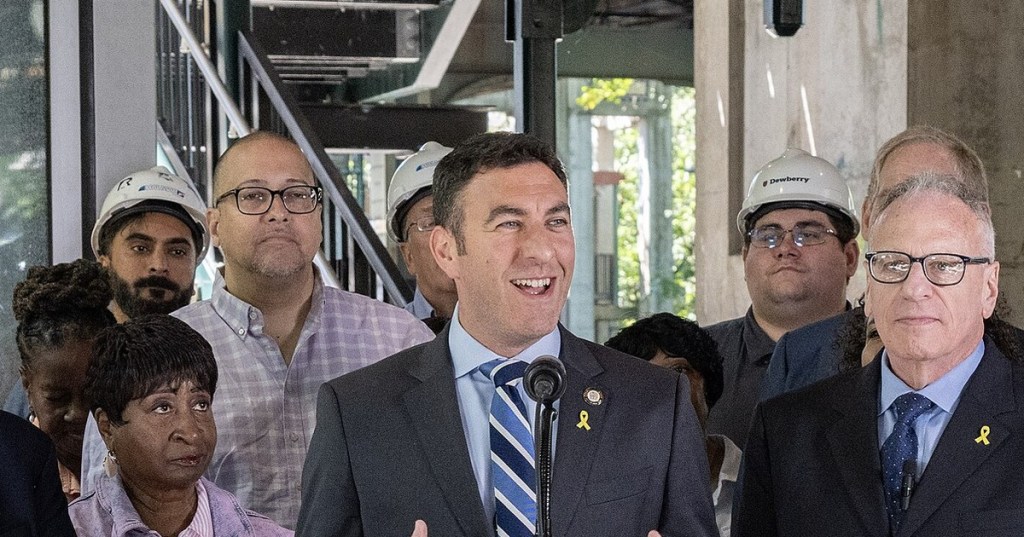
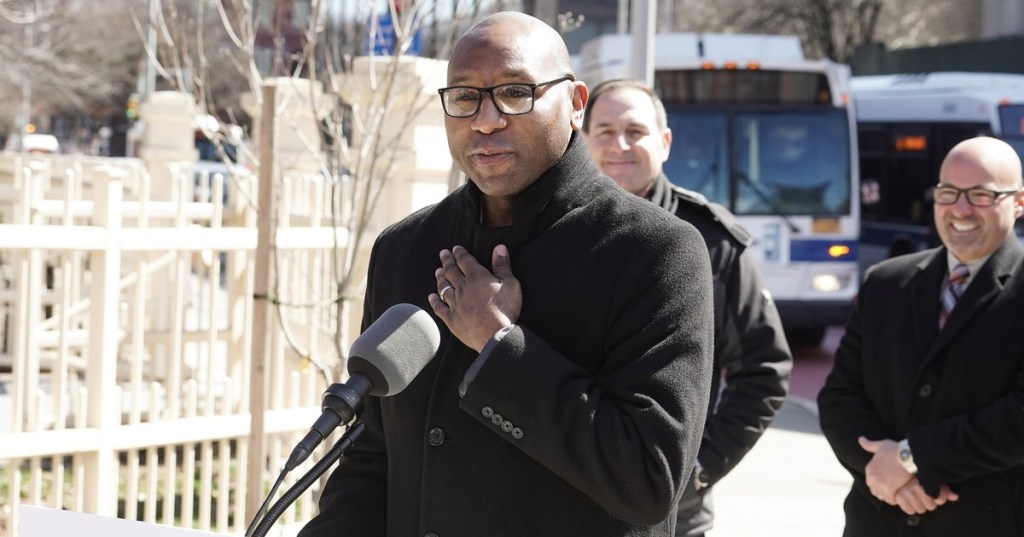
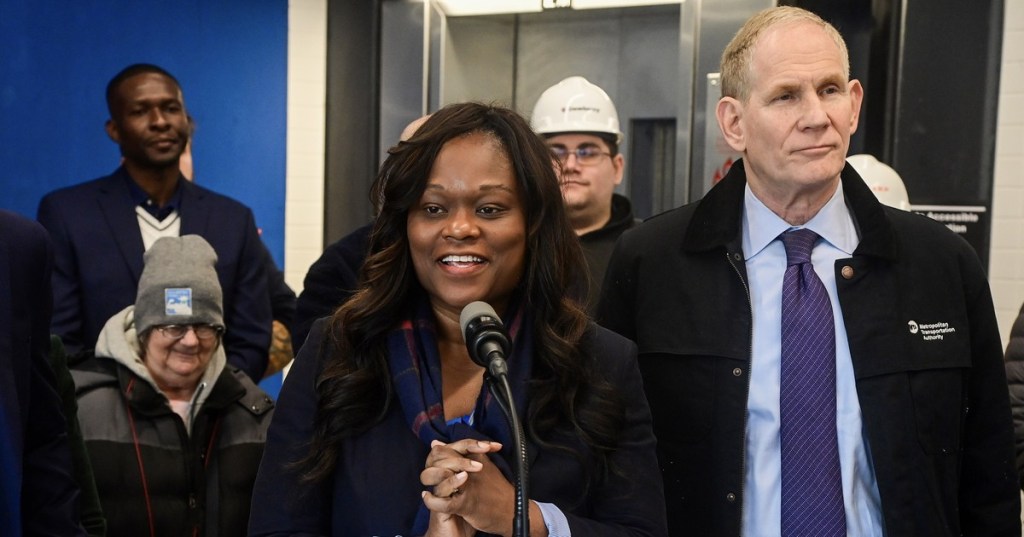
Featured image: Carlina Rivera, then a City Council member and the guaranty law's sponsor, in Manhattan, August 2023. Photo by Marc A. Hermann / Metropolitan Transportation Authority via Wikimedia Commons, CC BY 2.0.



Leave a Reply