The cultural district is one of those state designations that sound grander than they are. It does not come with a budget line, a new zoning map or a welcome arch. What it does come with, under a bill Governor Kathy Hochul signed on October 18, is a name, a set of boundaries and the possibility that the neighborhood’s cultural organizations may be eligible for state grant assistance. For Little Yemen, the blocks of the Bronx’s Van Nest section where a Yemeni commercial strip has grown up over the past two decades, that turns out to be plenty.
The legislation, A7033D/S6487C, draws the district from White Plains Road on the west to Bronxdale Avenue on the east and north, with Van Nest Avenue as its southern edge. It joins El Barrio in East Harlem and the Harlem Renaissance Cultural District on the state’s list, which puts a Bronx neighborhood that most Manhattanites could not find on a map in rather distinguished company.
The politics of belonging
Hochul used the signing to say something larger. “At a time when Islamophobia is rising,” she said, “we need to make sure every one of Little Yemen’s entrepreneurs, civil servants, teachers, police officers and hard working moms and dads know: You belong here. We see you.”
It would be naïve not to notice the calendar. The bill was signed a little more than two weeks before an election in which the Governor faces the Republican nominee, Nassau County Executive Bruce Blakeman, and the Bronx is a borough where a Democratic governor needs turnout more than persuasion. It would also be cynical to stop there. The bill was carried by Bronx legislators, State Sen. Nathalia Fernandez and Assemblymember John Zaccaro Jr., and it reflects years of organizing by the neighborhood itself. Bill signings happen when bills reach the Governor’s desk; the useful question is whether the designation does anything once the cameras leave.
The elected officials were, as is customary, unanimous in their delight. Zaccaro called the law “a celebration of hard work, perseverance, and the American Dream.” Fernandez, who represented the area in the Assembly, said Little Yemen “reflects our borough’s story.” Borough President Vanessa Gibson credited “thriving small businesses, rich cultural traditions, and unwavering commitment to family and community,” and Council Member Shirley Aldebol spoke of “the merchants who open their doors each morning.” State Sen. Gustavo Rivera also praised the bill.
A strip built by merchants
The more interesting voices came from the neighborhood’s own institutions, which have been doing the work for years. Yahay Obeid, founder of the Little Yemen Neighborhood Council, said the neighborhood “is more than a name on a map,” built by “hardworking families, small businesses, and generations of immigrants.” Zaid Nagi of the Alliance of Yemeni Americans framed the designation as an economic play, a way to use “our rich Yemeni culture to drive economic opportunity and spark tourism right here in the Bronx.” Youssef Mubarez of the Yemeni American Merchants Association, the trade group of a community long associated with the city’s bodegas and delis, noted that “Yemenis have been part of New York’s story for more than a century.”
The neighborhood’s heart is usually placed at White Plains Road and Rhinelander Avenue, and its Wikipedia entry credits it with more than 500 Yemeni-owned businesses within a mile, a figure worth treating as an estimate. The area was, for most of the last century, Italian and later Latino; the Yemeni American Day Parade there has run since 2019, according to the same entry, and drew more than 3,000 people the first time.
Grub Street’s 2021 survey of the strip is still the best guide to how it got this way. Its first Yemeni restaurant, Arth Aljanatain, opened in 2008, the magazine reported; Oasis followed in 2013 and was renamed Alwaha in 2019. The piece also chronicled Shawati Aden, Buun Café’s qishr, the spiced coffee-husk drink, and Damascus Sweets, along with the Bronx Muslim Center on Rhinelander Avenue and a 32,000-square-foot mosque that the Muslim American Society of New York was building on Amethyst Street. The magazine traced the migration to the war that began in Yemen in 2014 and to gentrification in Downtown Brooklyn, where many Yemeni families and merchants had been before. Some of those details may have changed in five years; restaurants in this city rarely sit still.
That same reporting noted that Obeid had become the first Arab American member of Community Board 11 and won the co-naming of a stretch of White Plains Road as Ibrahim al-Hamdi Way, after the North Yemeni president assassinated in 1977. Recognition in the Bronx tends to arrive this way, one street sign and one board seat at a time.
What the designation can and cannot do
The honest answer is that a cultural district is a frame, not a program. It can help organizations make the case for state arts and tourism money; it can give the neighborhood a brand in a city that runs on brands; and it can, in Nagi’s phrase, invite visitors who would not otherwise take the 2 or 5 train to Pelham Parkway or Bronx Park East. It cannot lower commercial rents, which is the force that drove the community out of Brooklyn in the first place, and it does not protect any particular storefront.
Somia Elrowmein of the Women’s Empowerment Coalition of NYC, one of the advocates who pushed the bill, called it “a historic milestone.” Dr. Debbie Almontaser of the Bridging Cultures Group said the designation affirms “that Yemeni history is New York history.”
That is the ambition. The test will be whether, a few years from now, the people walking White Plains Road on a Saturday evening include a few more who came from elsewhere, and whether the merchants who made the street are still the ones selling them coffee.
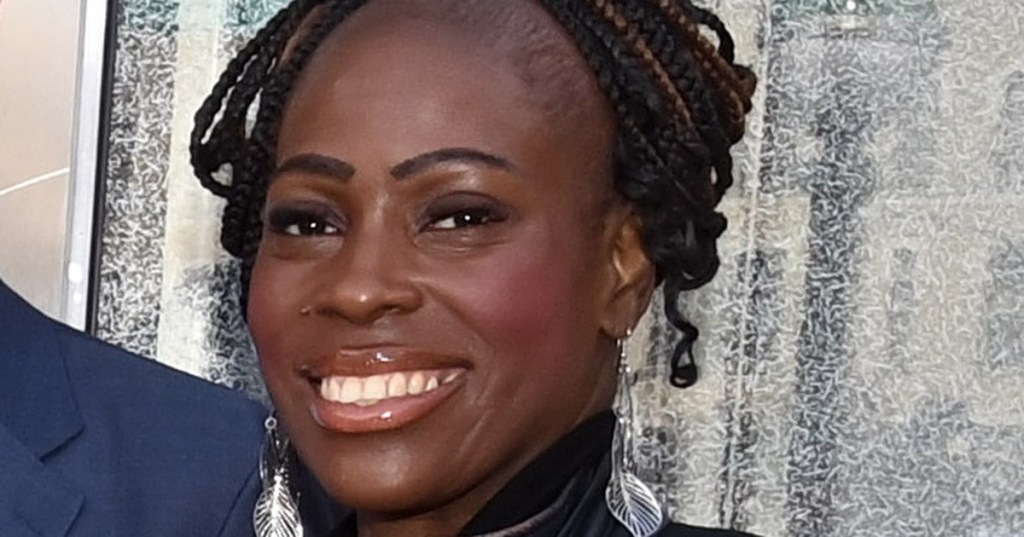
Featured image: Bronx Borough President Vanessa Gibson at an MTA elevator opening at East 149th Street in 2023. Photo by Metropolitan Transportation Authority via Wikimedia Commons, CC BY 2.0.


Leave a Reply