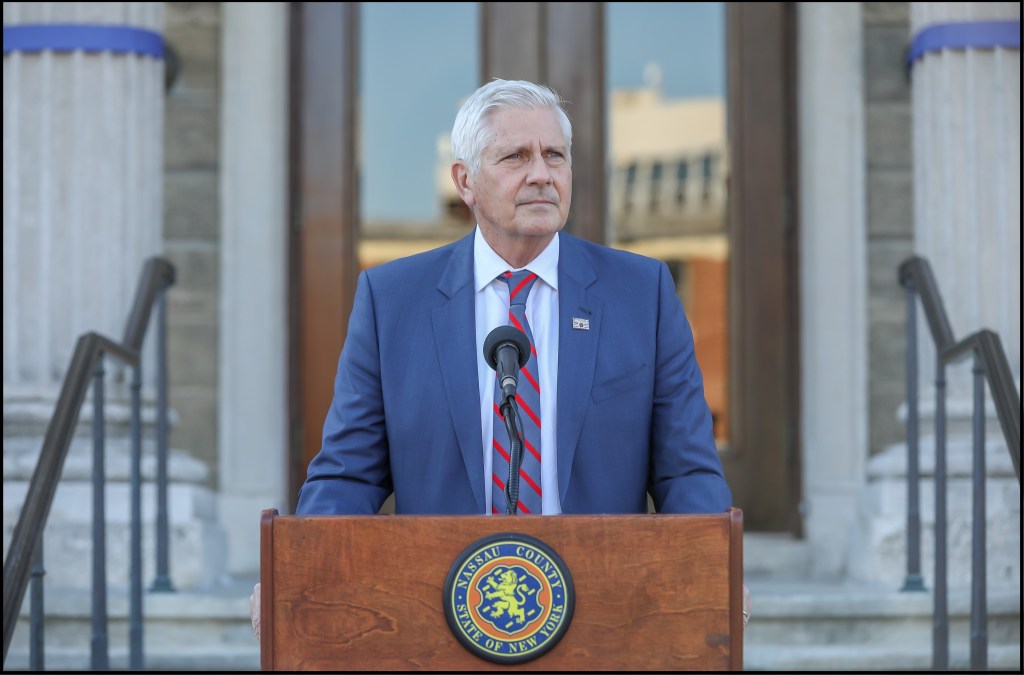
Most politicians discover sports the week before an election. Bruce Blakeman, the Nassau County executive and Republican nominee for governor, has been at it for years, and he talks about ballclubs the way other politicians talk about bridges. He wants the Jets back on Long Island. He brought World Cup cricket to East Meadow. He has spent the better part of five years deciding what should become of the Nassau Coliseum.
It is not hard, then, to imagine a Governor Blakeman wanting a good deal more for the City and the State: baseball back in Brooklyn, basketball in the Bronx, soccer in Rochester, hockey in Albany. He trails Gov. Kathy Hochul in the polls with Election Day on Nov. 3, but the question of who would pay for such a wish list is a good deal more interesting than the horse race, because the answer runs straight through the city’s most famous owners and developers.
The county executive as commissioner
The record is real, if more Mineola than Manhattan. Blakeman spent eight years as a commissioner of the Port Authority of New York and New Jersey, appointed by Pataki in 2001, which is to say he has sat through more meetings about moving crowds than most people who build stadiums. As county executive he brought the ICC Men’s T20 World Cup to Eisenhower Park in 2024, a 34,000-seat modular stadium that hosted India versus Pakistan in East Meadow. He championed the Las Vegas Sands lease of the Nassau Coliseum site, and when Sands dropped its casino bid, he told reporters the company would pursue a sports, entertainment and hospitality project on the same land instead.
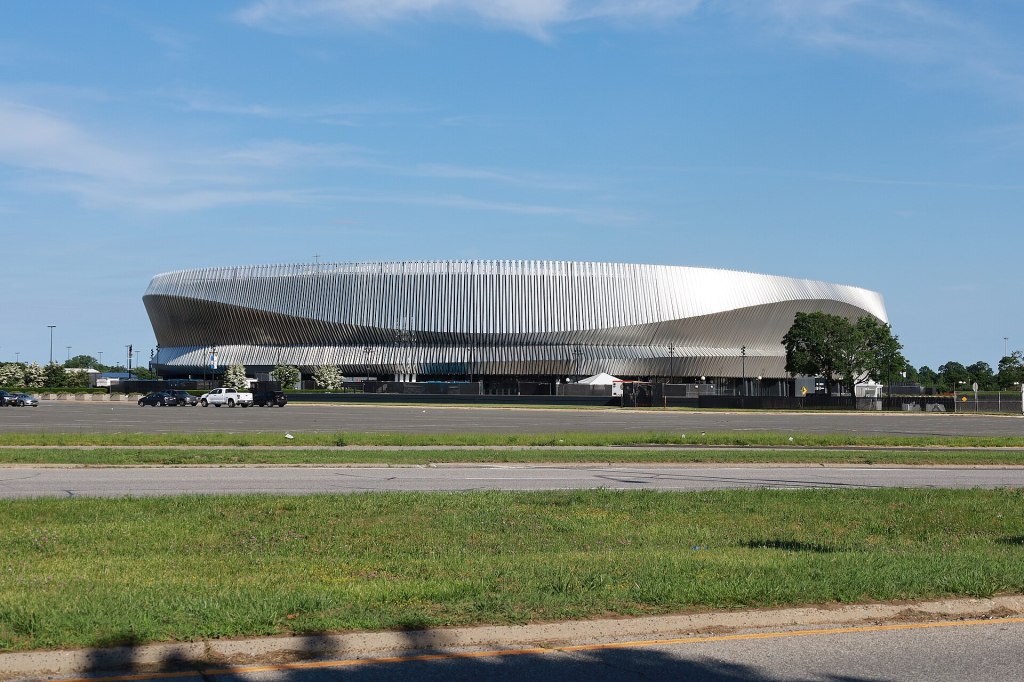
He wants the Jets back, too. In an interview with The New York Post published Oct. 17, he said he had made “a public offer to the ownership and the leadership of the New York Jets” of a site near the Coliseum, and that “to date, the Jets have indicated that they’re perfectly comfortable where they are.” He has also defended his Buffalo Bills bona fides, saying he became a Bills man after the Jets decamped to New Jersey. The same Post interview notes that Madison Square Garden‘s James Dolan, owner of the newly crowned champion Knicks, is backing his campaign, with a $3 million boost from a super PAC funded through Dolan’s companies. A man is known by the company he keeps courtside.
The wish list
Which brings us to the parlor game. Picture a Blakeman administration with a stadium-sized appetite: Major League Baseball back in Brooklyn, an NBA team in the Bronx, Major League Soccer in Rochester and the NHL in Albany. To be plain about it, we could find no announcement, filing, campaign document or published report in which Blakeman proposes any of the four. What follows is the magazine’s own speculation, the sort of thing said over a second martini. But it forces the real question, which is who would write the checks.
Brooklyn: the Dodgers’ ghost
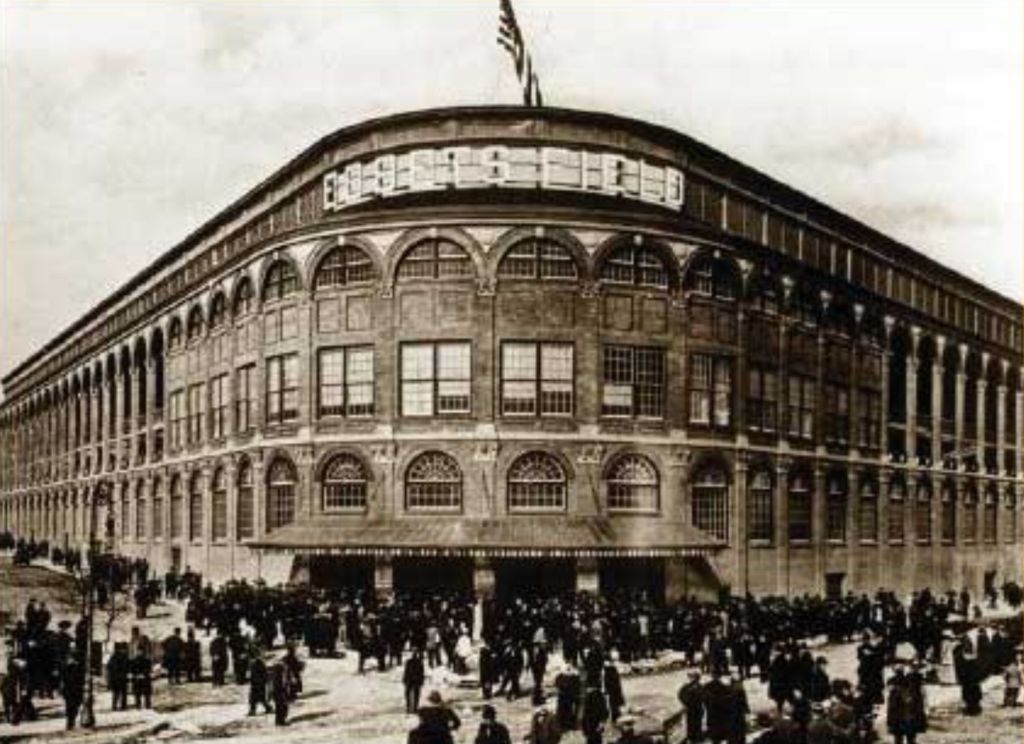
The wound has been open since 1957. Ebbets Field stood in Crown Heights, a short walk from the Prospect Park stop on the B and Q, and its absence remains the borough’s foundational grievance. Baseball’s timing is convenient. ESPN’s Jeff Passan reported in September that Commissioner Rob Manfred wants two expansion cities chosen by his planned retirement in January 2029, at an expansion fee expected around $2.5 billion. Brooklyn is not on the list. Salt Lake City, Nashville, Raleigh, Portland, Orlando and Montreal are.
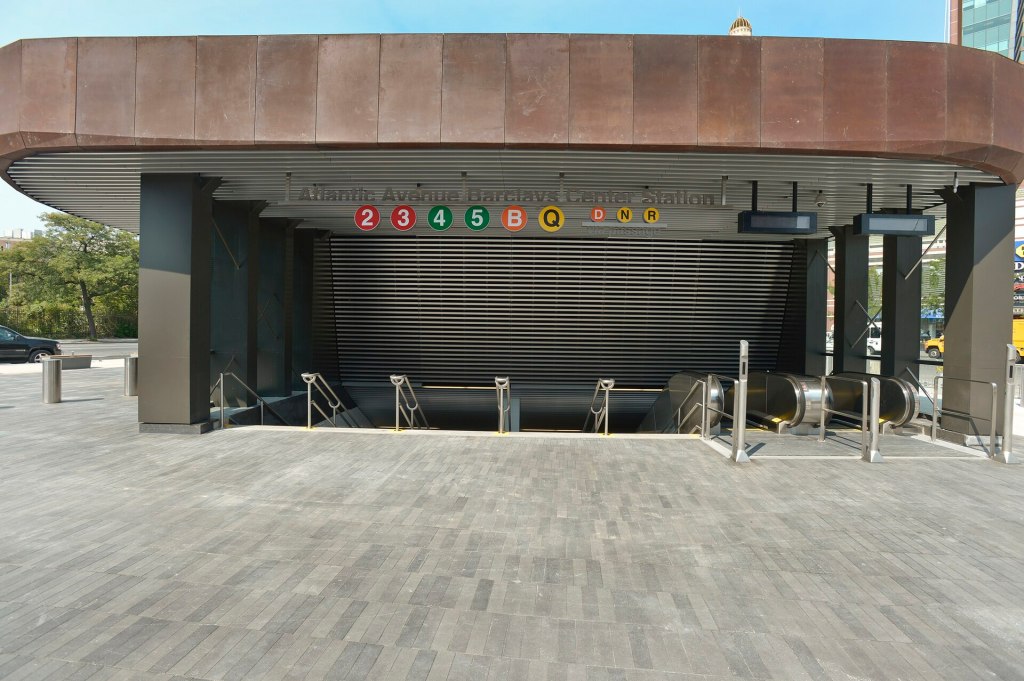
The obvious problem is that the New York market belongs to the Yankees and the Mets, so the obvious call would be to make one of them a partner rather than an opponent. Steve Cohen, who owns the Mets and whose Metropolitan Park project with Hard Rock won one of three downstate casino licenses last December, is the only man in town who might regard a third team as a hedge rather than a threat. Joe Tsai, who owns the Nets, the Liberty and Barclays Center, already runs the borough’s biggest sports address, atop a hub served by nine subway lines and the LIRR. And Bruce Ratner, whose Forest City Ratner built Barclays, knows exactly how loudly Brooklyn will scream, and for how long. For a site, one could do worse than Coney Island, where the Stillwell Avenue terminal already feeds the Cyclones, and where Joe Sitt’s Thor Equities lost its casino bid and still owns land.
The Bronx: a second team on 161st Street
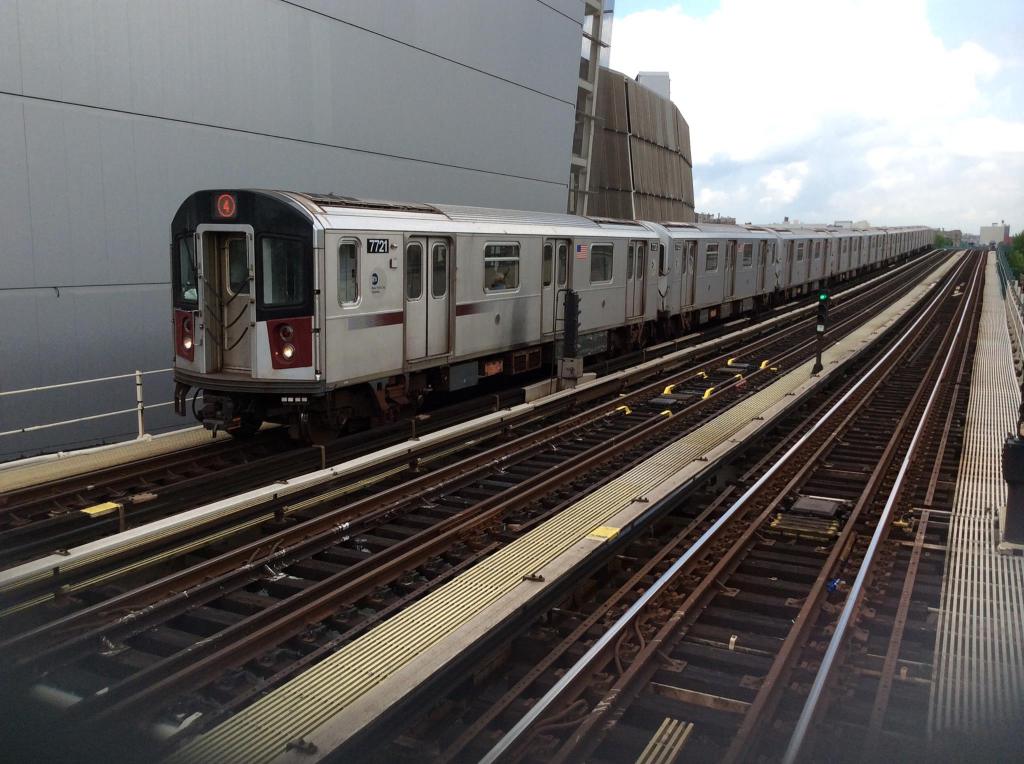
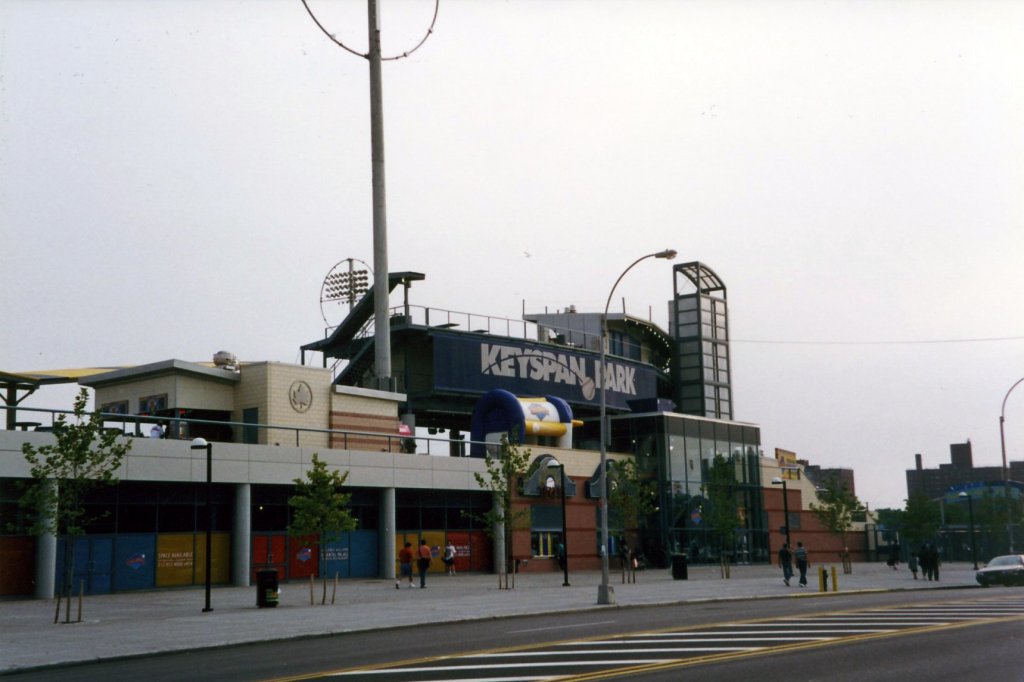
An NBA franchise in the Bronx is the most transit-friendly idea on the list. The 4, B and D, plus Metro-North, already deliver tens of thousands of fans to Yankee Stadium. It is also the least likely, because the NBA has two New York teams and one of them belongs to Dolan, whose enthusiasm for Blakeman presumably stops short of a crosstown rival. The league is busy anyway with Seattle and Las Vegas, which its owners voted in March to explore.
If it happened anyway, the natural partners would be the Steinbrenners, who already own the neighborhood’s best-attended real estate, and Stephen Ross’s Related Companies, which built Hudson Yards over a rail yard and has never met a platform it couldn’t deck. Soo Kim’s Bally’s, which won a casino license for Ferry Point, would make an eager sponsor, though its site is a long way from the nearest subway stop.
Rochester: a soccer town without a subway
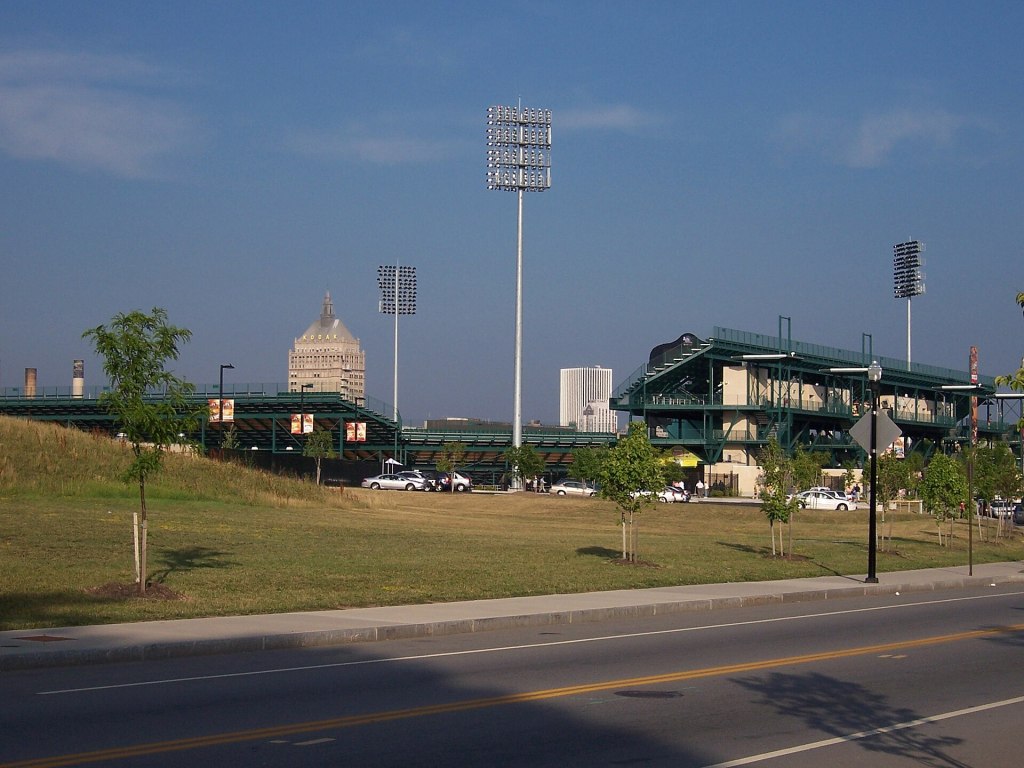
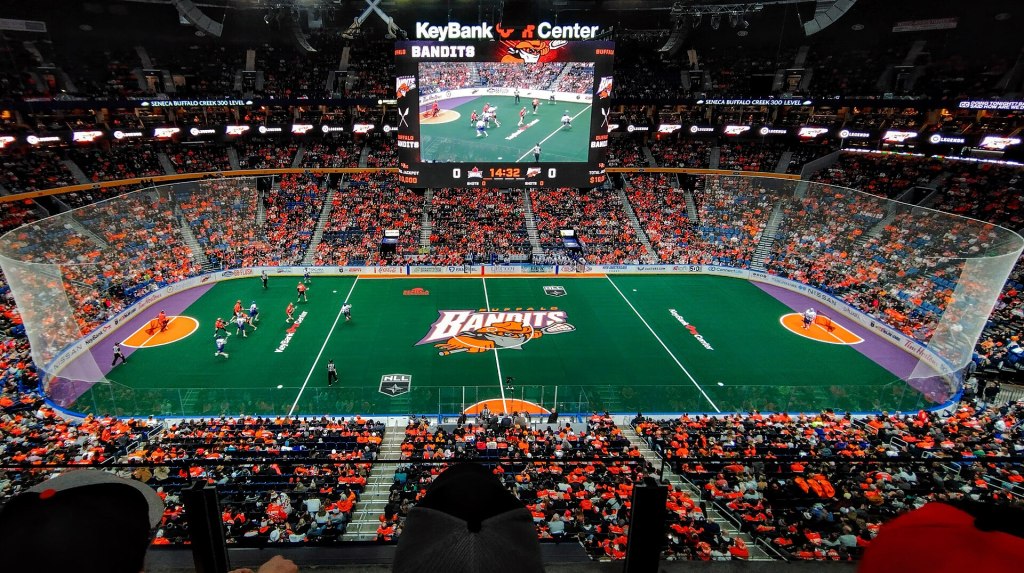
Rochester is the only city in this story that once had a subway and closed it, in 1956. It also has a real soccer pedigree. The Rhinos won the U.S. Open Cup in 1999, and the city’s MLS Next Pro team, Rochester New York FC, ceased operations in 2023. The obvious owners are local and rich: the Wegmans family; Tom Golisano, the Paychex founder who once owned the Sabres; and the Seneca Nation, which bought the Rochester Knighthawks in 2025. Add Terry and Kim Pegula of Pegula Sports and Entertainment, who own the Bills, the Sabres and the Buffalo Bandits, and you have more upstate money in one room than Albany sees in a budget season.
Albany: hockey’s lost capital
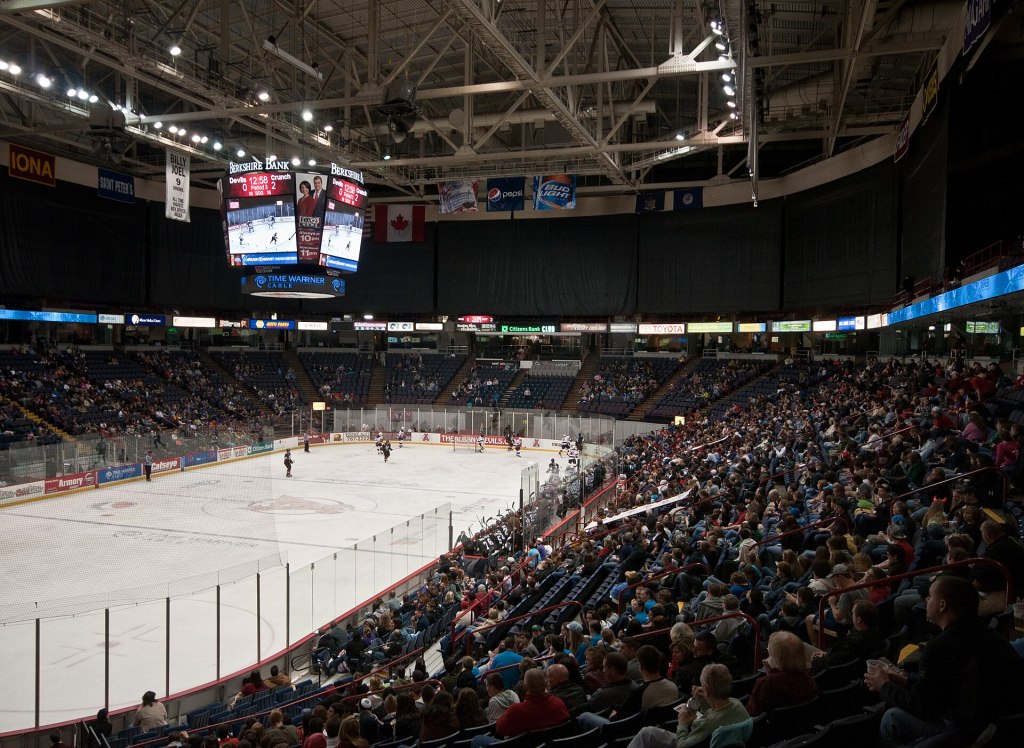
Albany had the AHL’s River Rats for 17 seasons and then the Albany Devils, before losing professional hockey in 2017. MVP Arena is small by NHL standards, and the league is in no hurry; it says it is exploring Houston and Austin first. Any plausible Capital Region bid would start with local builders like the Galesi Group, which developed Schenectady’s Mohawk Harbor, and Neil Bluhm’s Rush Street Gaming, which runs the casino there.
The emerging leagues
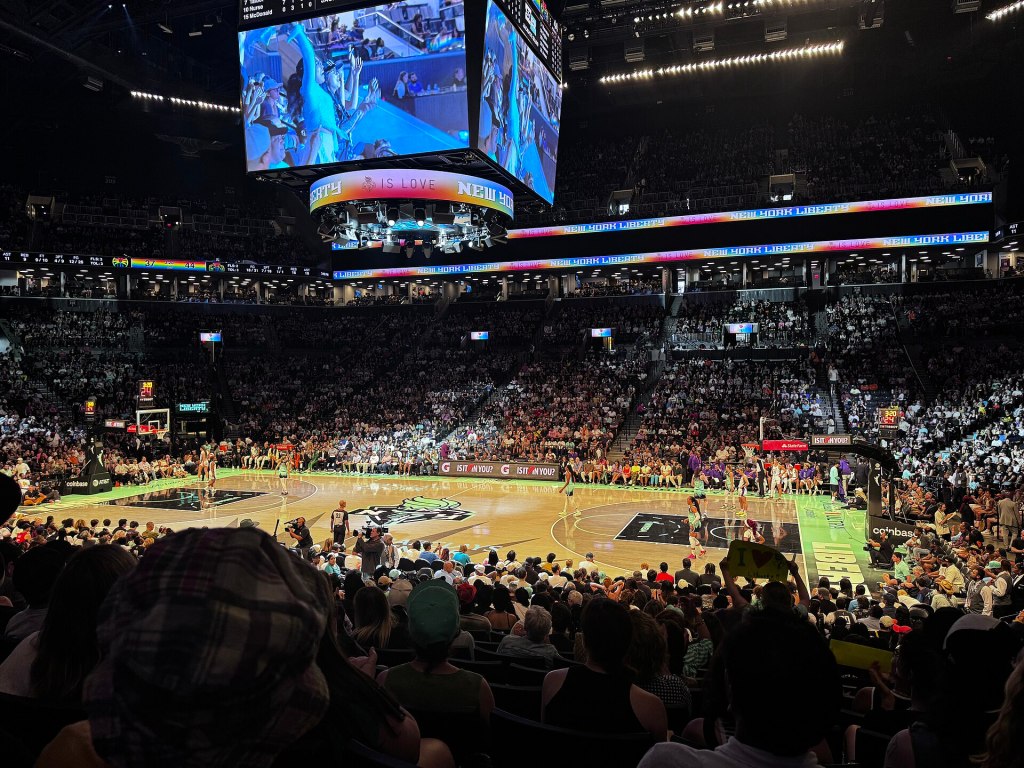
This is where a Blakeman administration might actually score. The WNBA is growing to 18 teams, with Cleveland, Detroit and Philadelphia due between 2028 and 2030, and expansion fees have climbed from $50 million for Golden State to $125 million for Portland. A second New York team at UBS Arena, which has its own LIRR station, would be a natural ask of the Islanders‘ Scott Malkin and Jon Ledecky. Dolan, who sold the Liberty to Tsai in 2019, might enjoy the reunion.
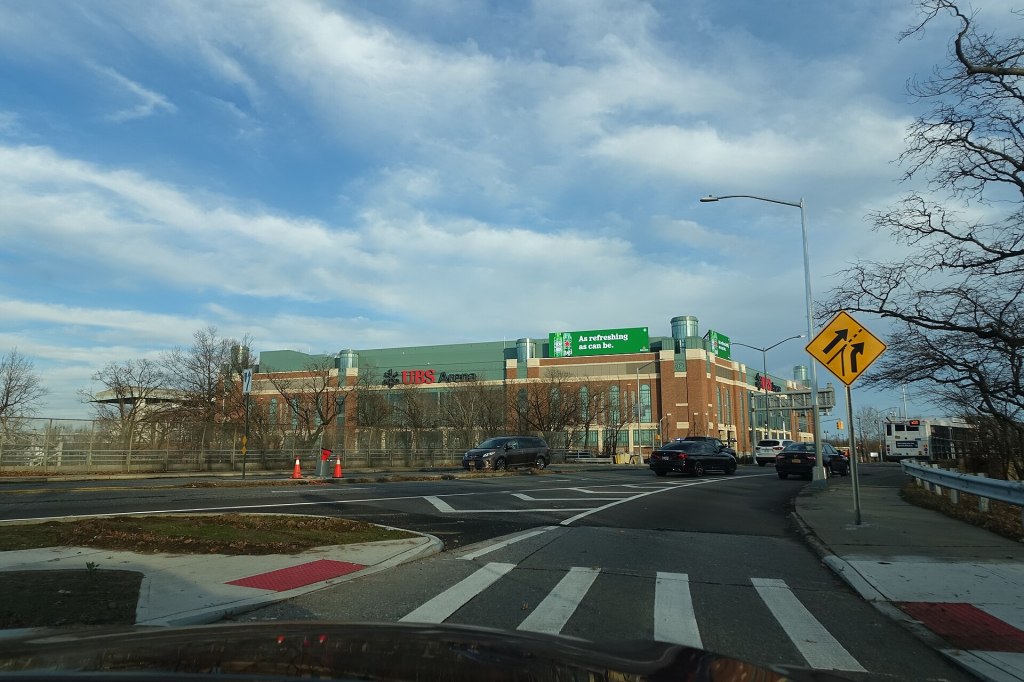
Lacrosse is the easiest win of all. Long Island is a lacrosse hotbed that cannot keep an indoor pro team. The National Lacrosse League’s Riptide left the Coliseum for Ottawa in 2024, and Albany’s FireWolves left for Oshawa in 2025. The Sands, whose controlling family also owns most of the Dallas Mavericks, has a site and nothing yet to put on it. A box-lacrosse club in Uniondale is the rare franchise a county executive could plausibly deliver himself.
The fine print
Every one of these deals would eventually land on a governor’s desk as a request for money. Blakeman has said he is comfortable with that in principle. Asked about the roughly $600 million in state funds for the new Bills stadium, he said, “I think that there is a role for the state in economic development, and I think there’s a role for public and private partnerships.”
The other line item is transit. Barclays Center sits atop nine subway lines and the LIRR; Yankee Stadium has the 4, B and D and Metro-North; UBS Arena got its own LIRR station. The Coliseum site, Ferry Point and the upstate arenas have nothing comparable, and a candidate who has promised to end congestion pricing “on Day 1”, a toll whose revenue backs the MTA‘s capital program, would need another way to pay for the trains.
Still, there is something irresistible about a candidate who treats a ballpark as the measure of a city. Robert Moses built highways and lost the Dodgers. Whoever brings a team back will be remembered a good deal longer.
Photo: Bruce Blakeman in 2023, by Arthur Raslich via Wikimedia Commons, CC BY-SA 4.0.


_001_-_UBS_Arena.jpg)


Leave a Reply